

 Hover to animateApplications
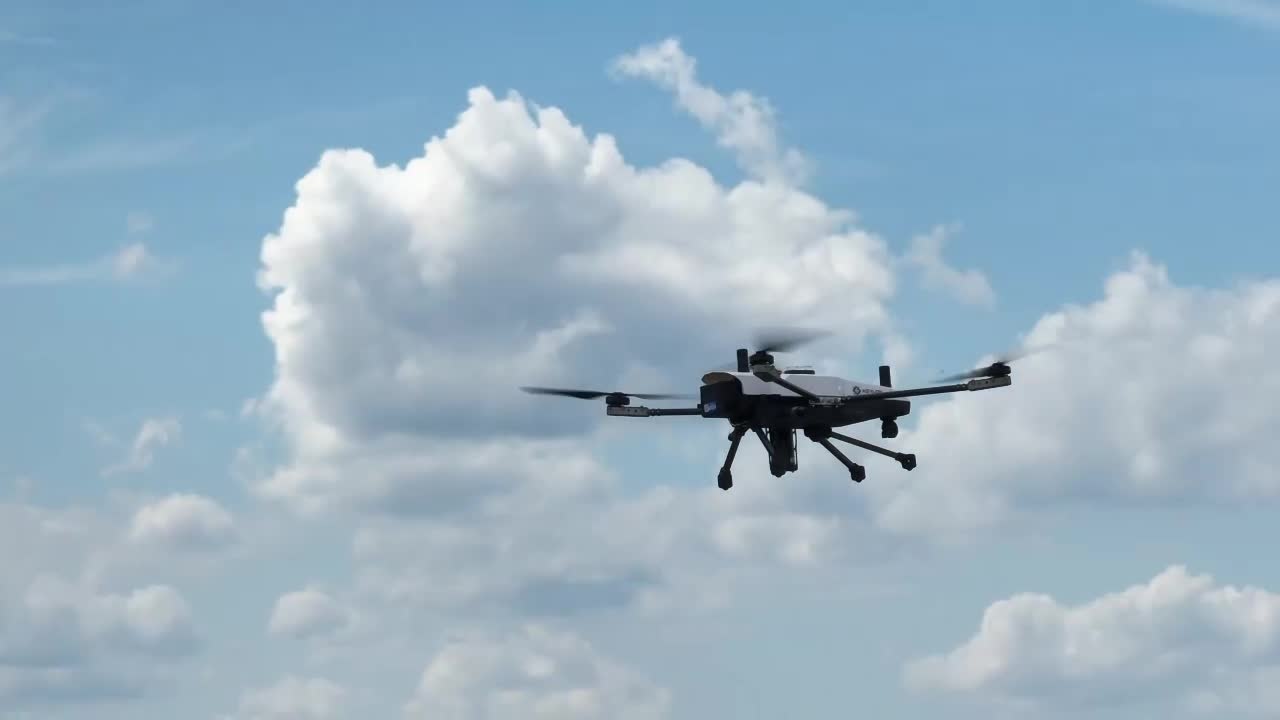
GXO: Logistics security becomes a coordinated air-and-ground patrol
Distribution yards reveal why a flying viewpoint, a walking viewpoint and a human response team have to operate as one service.
How physical autonomy is deployed across retail, construction, logistics, utilities and public safety.
Hover to animate19 articles
Hover to animateApplicationsDistribution yards reveal why a flying viewpoint, a walking viewpoint and a human response team have to operate as one service.
 Hover to animateApplications
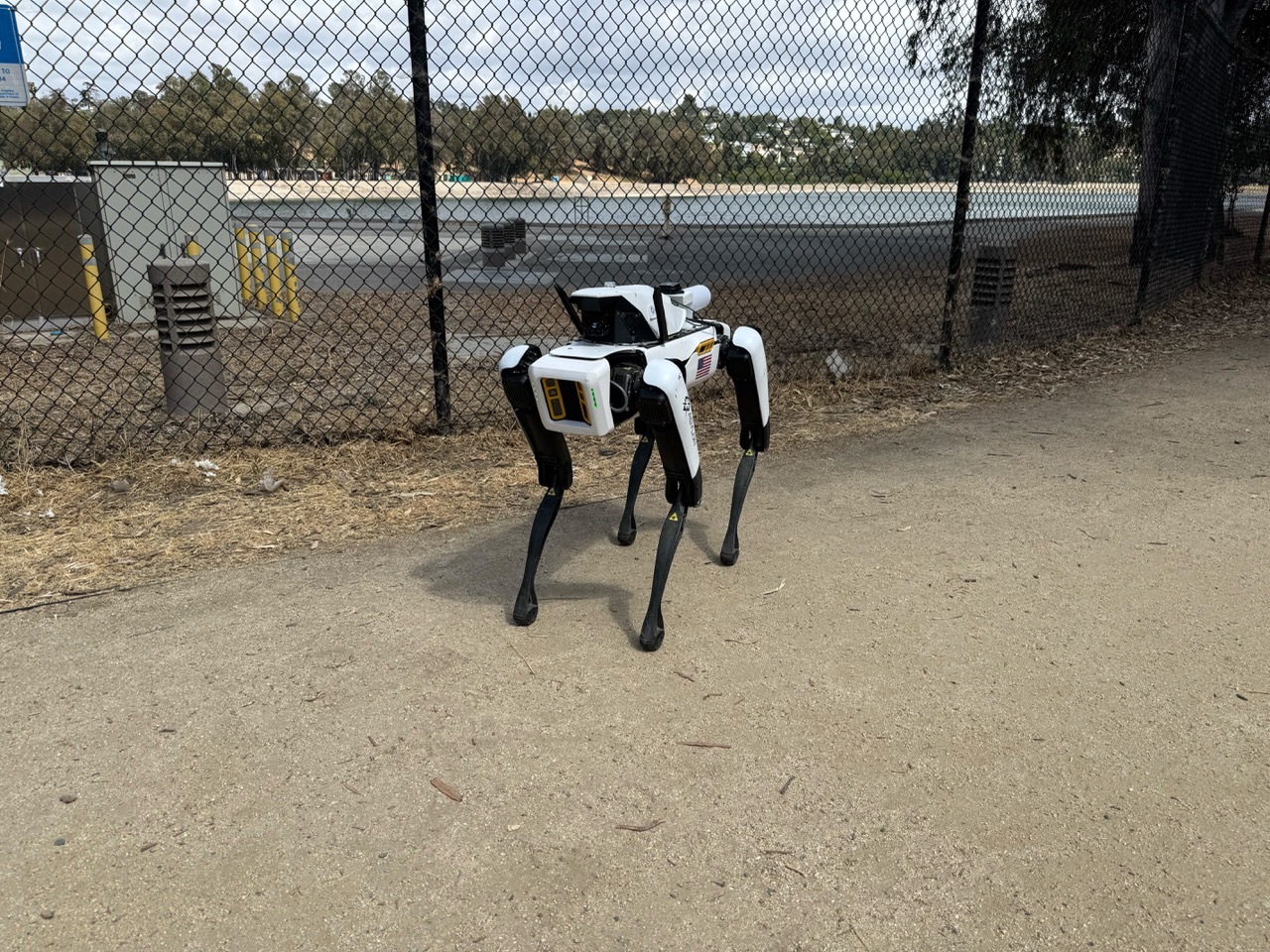
A documented water-authority deployment shows how repeatable walking and a supervised handoff can protect essential infrastructure.
 Hover to animateApplications
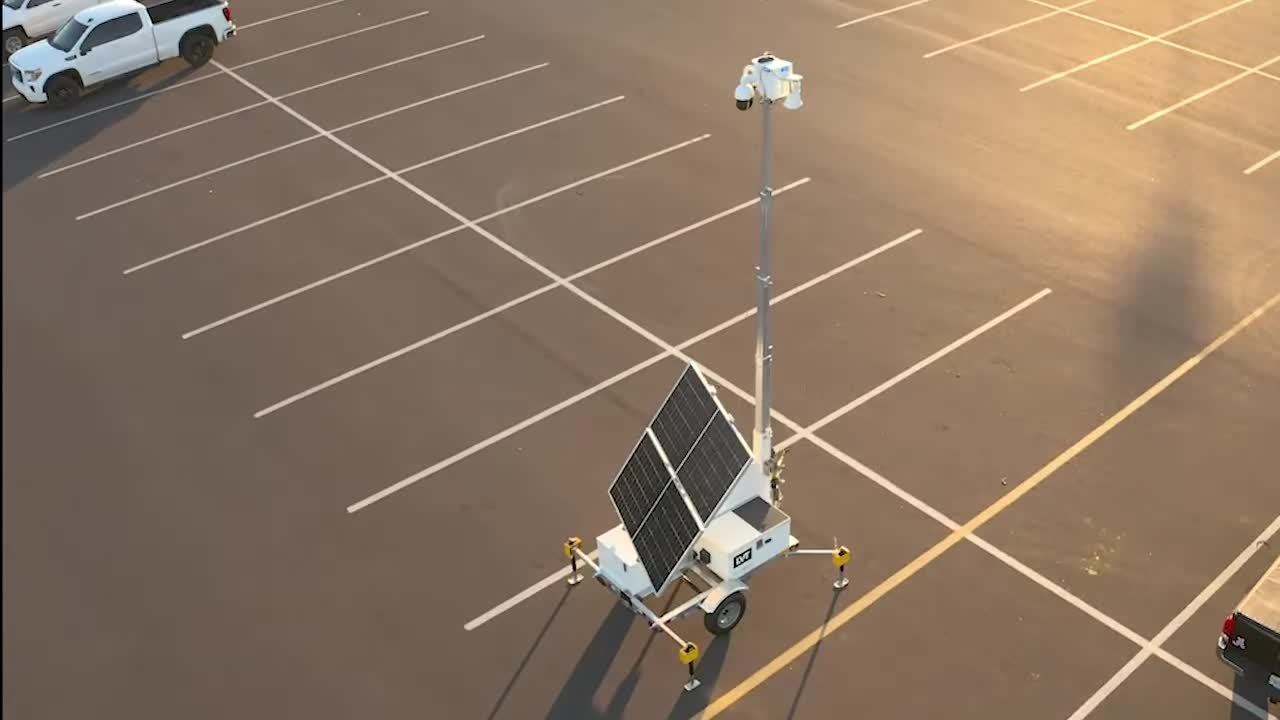
Deployable towers connect observation, visible deterrence and an approved human response around the places customers and staff move.
 Hover to animateDrones
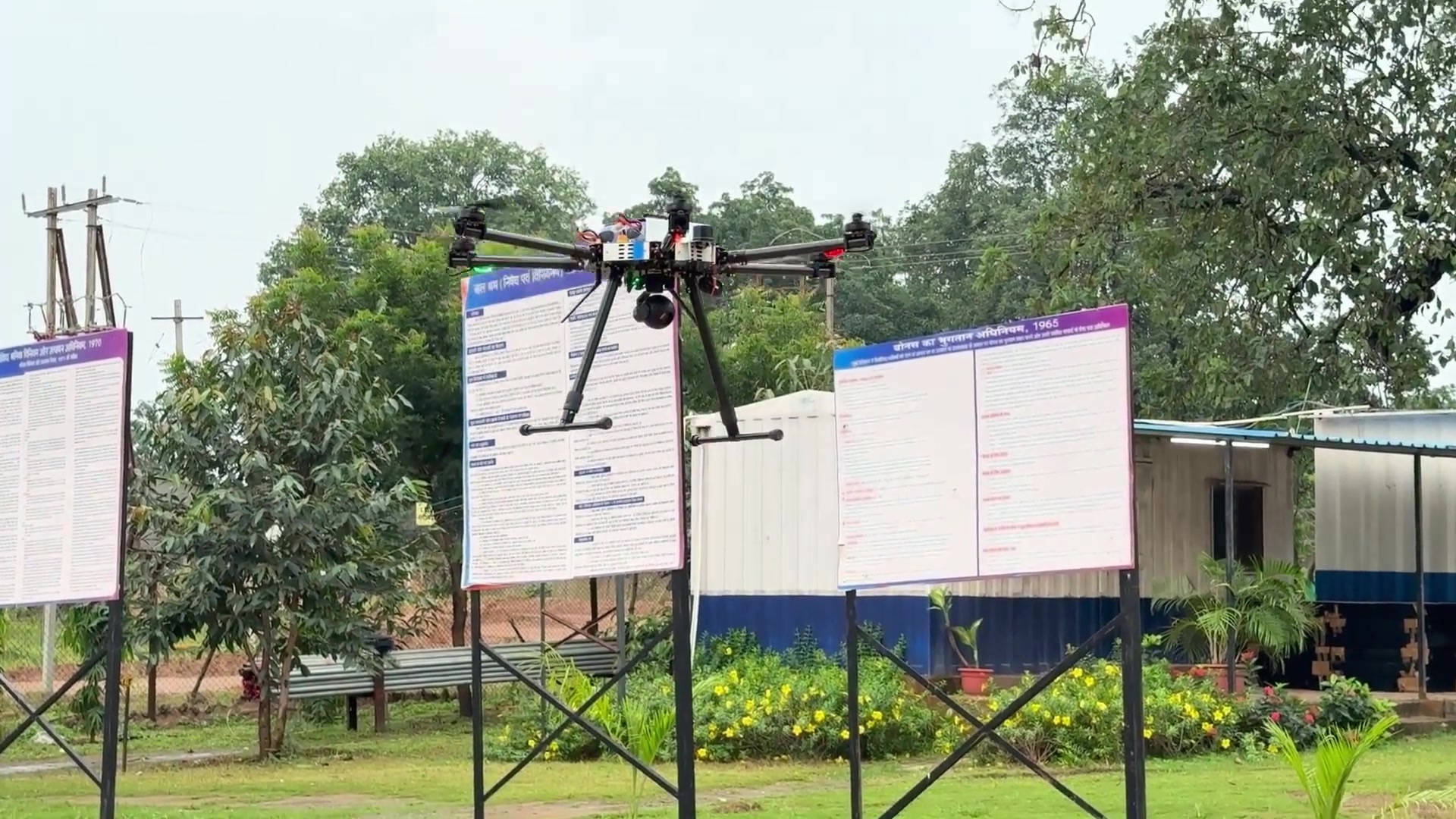
Onboard interpretation could reduce the burden of watching aerial video. The operational test is whether the drone delivers trustworthy information when a team needs it.
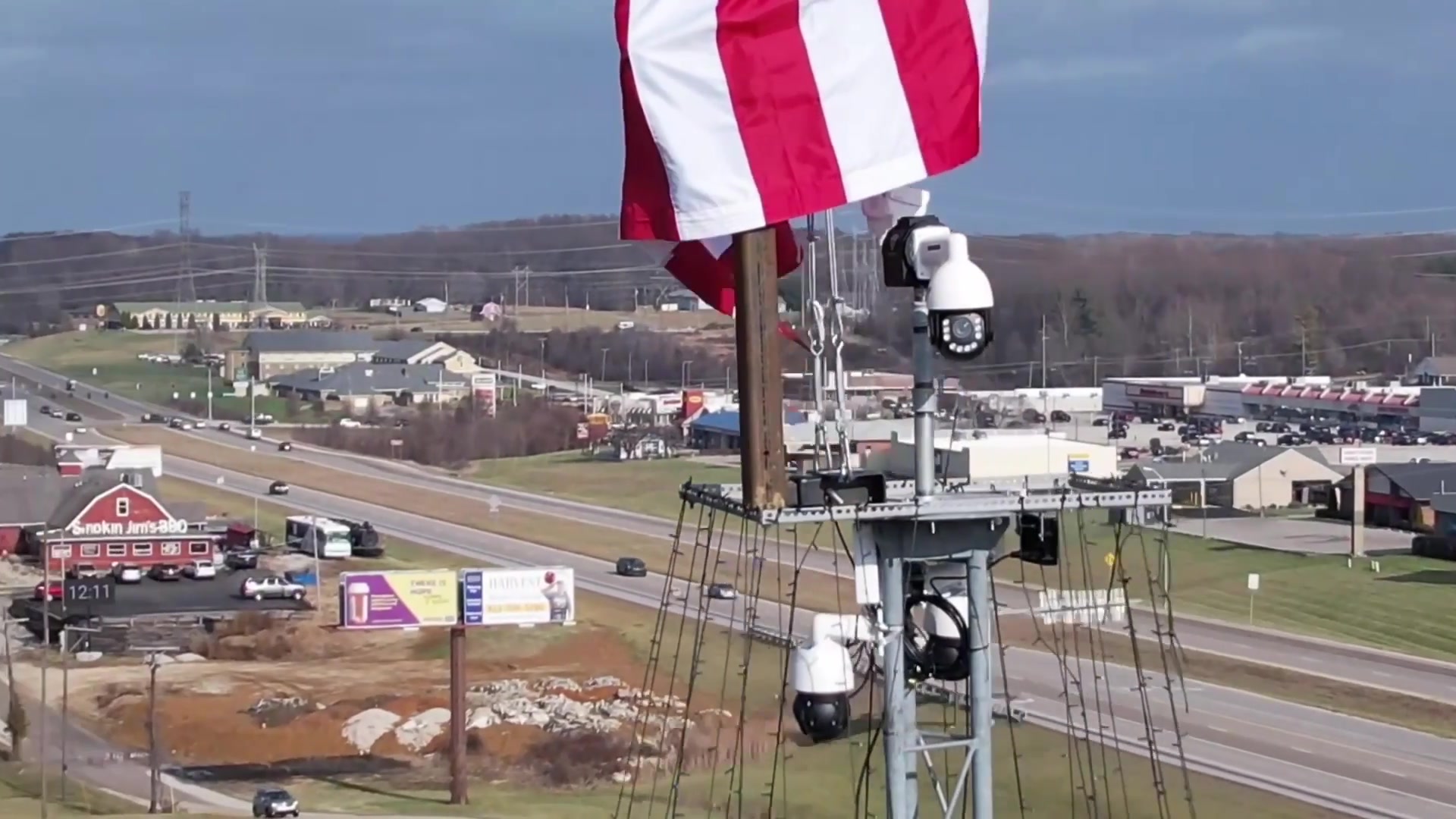 Hover to animateTowers
A relocatable sensor platform puts autonomy at the perimeter. Its value depends on useful alerts, accountable adaptation and the response team behind it.
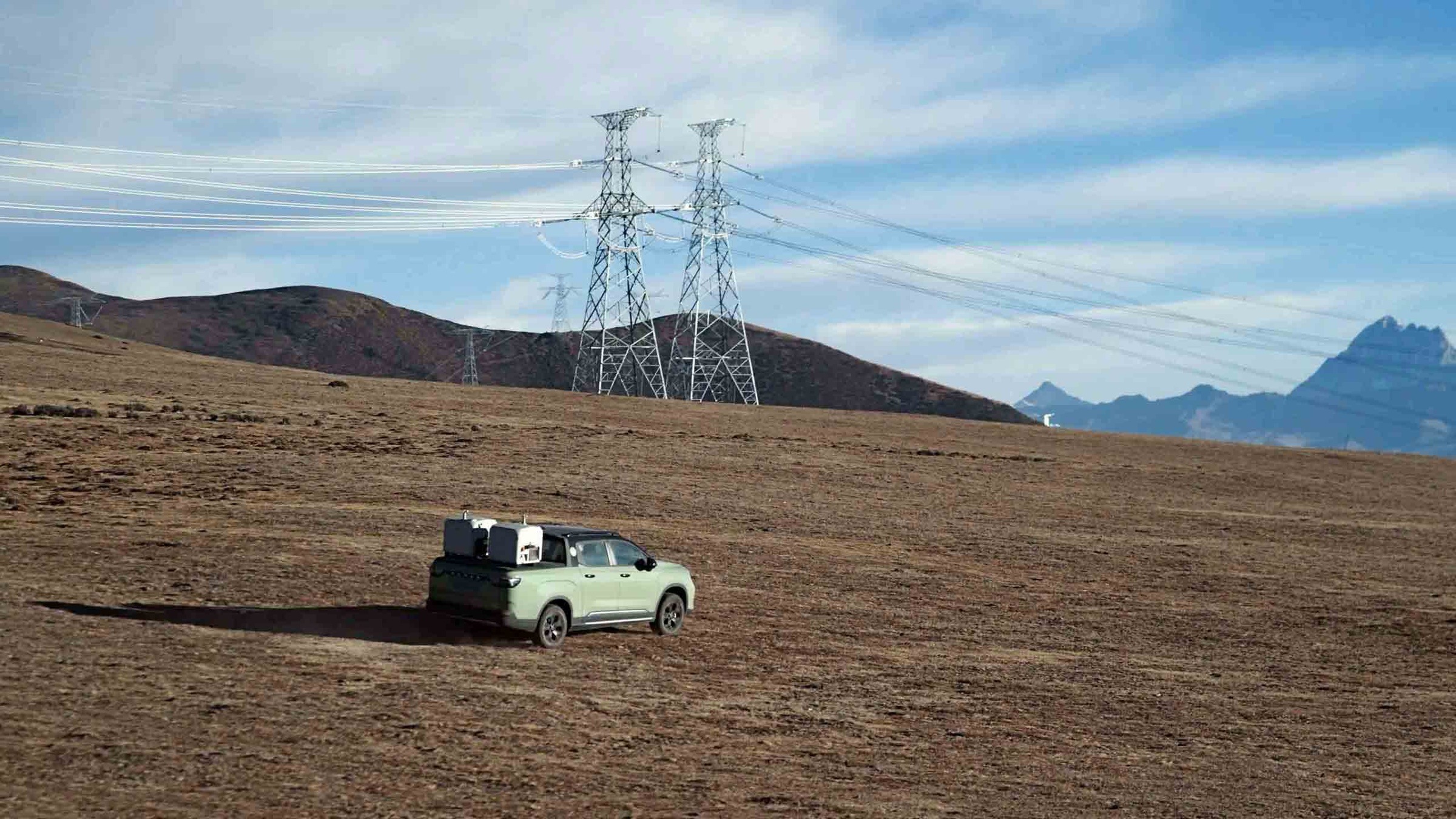 Hover to animateDrones
Dock 3 can be redeployed with a vehicle. DJI’s guidance requires the vehicle to remain still during aircraft operations and defines calibration and parking conditions.
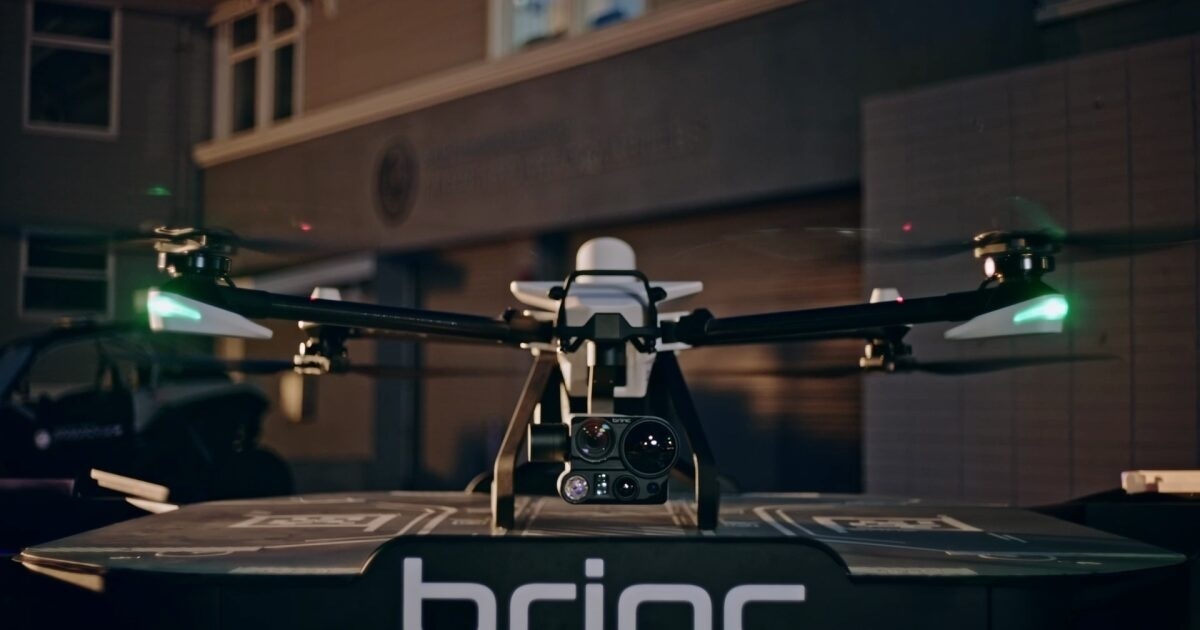 Hover to animateDrones
BRINC’s Guardian station aims to restore a drone for the next emergency automatically. The wider impact depends on sustained readiness, dispatch integration and support—not flight speed alone.
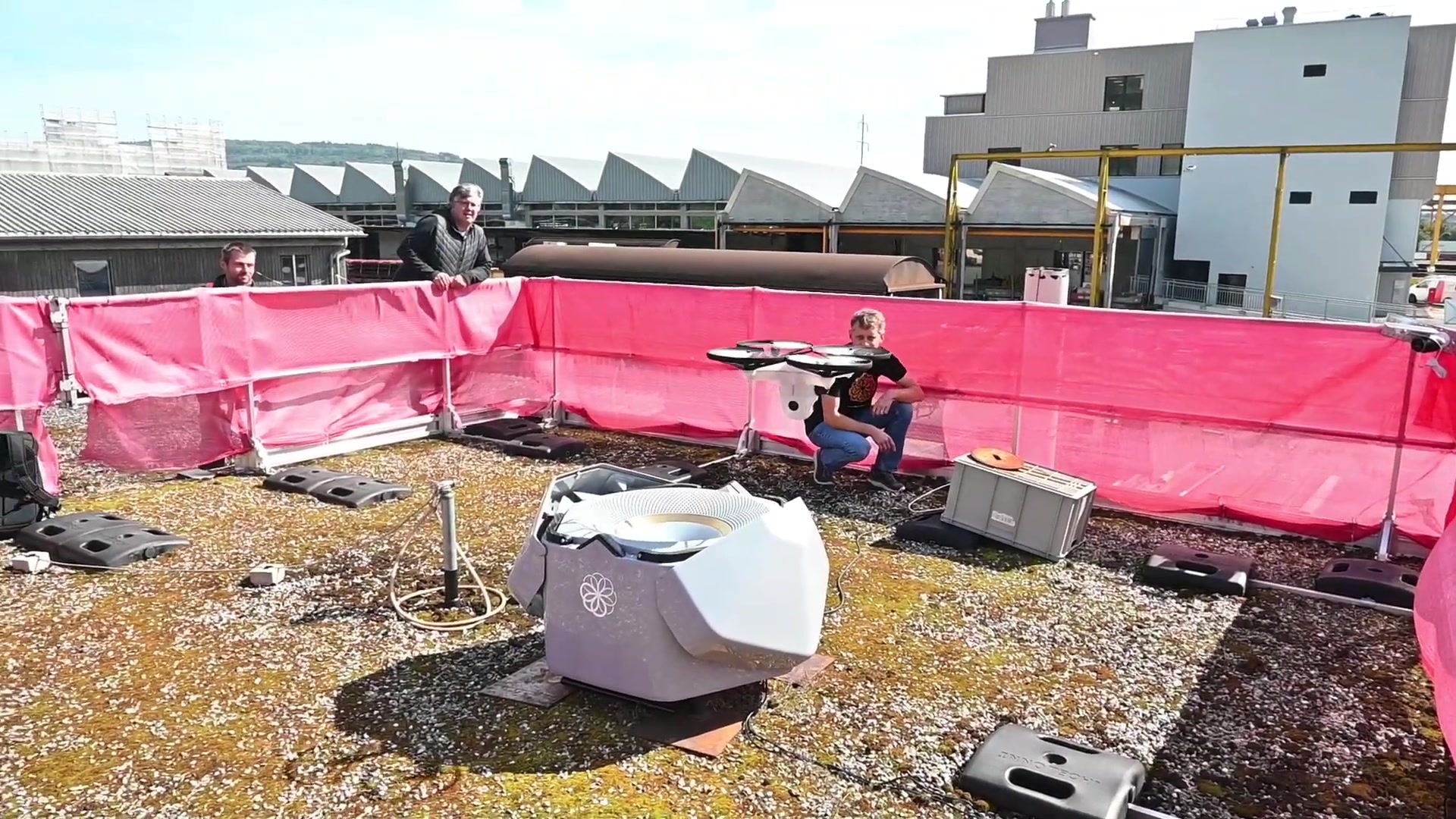 Hover to animateDrones
Beehive automates launch, landing and readiness. The published flight-and-charge cycle explains why an available service is not the same as an aircraft always overhead.
 Hover to animateDrones
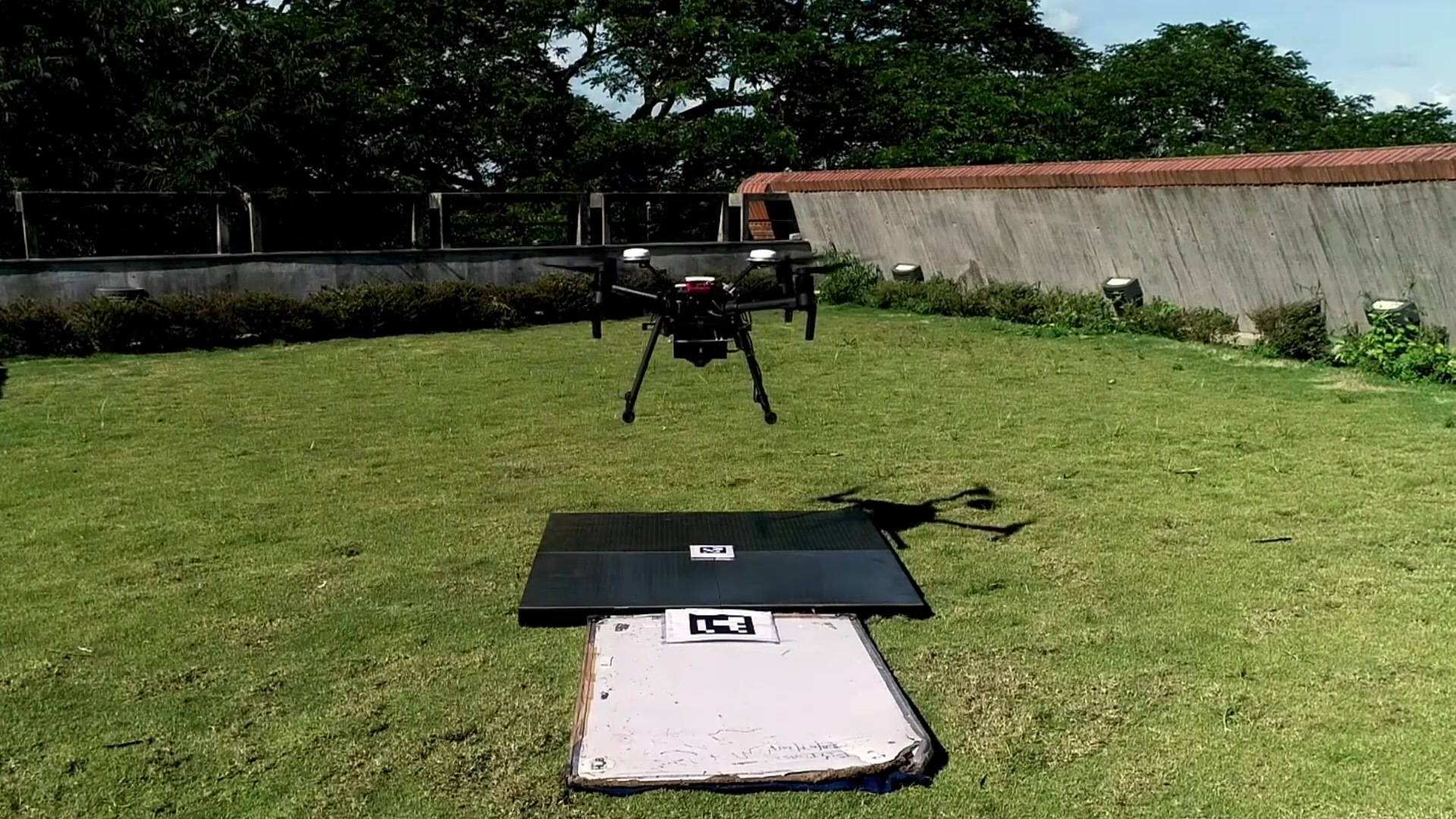
Multi-vendor docking software coordinates more than a route. Device-specific landing and fallback behavior decide whether repeated security missions remain dependable.
 Hover to animateDrones
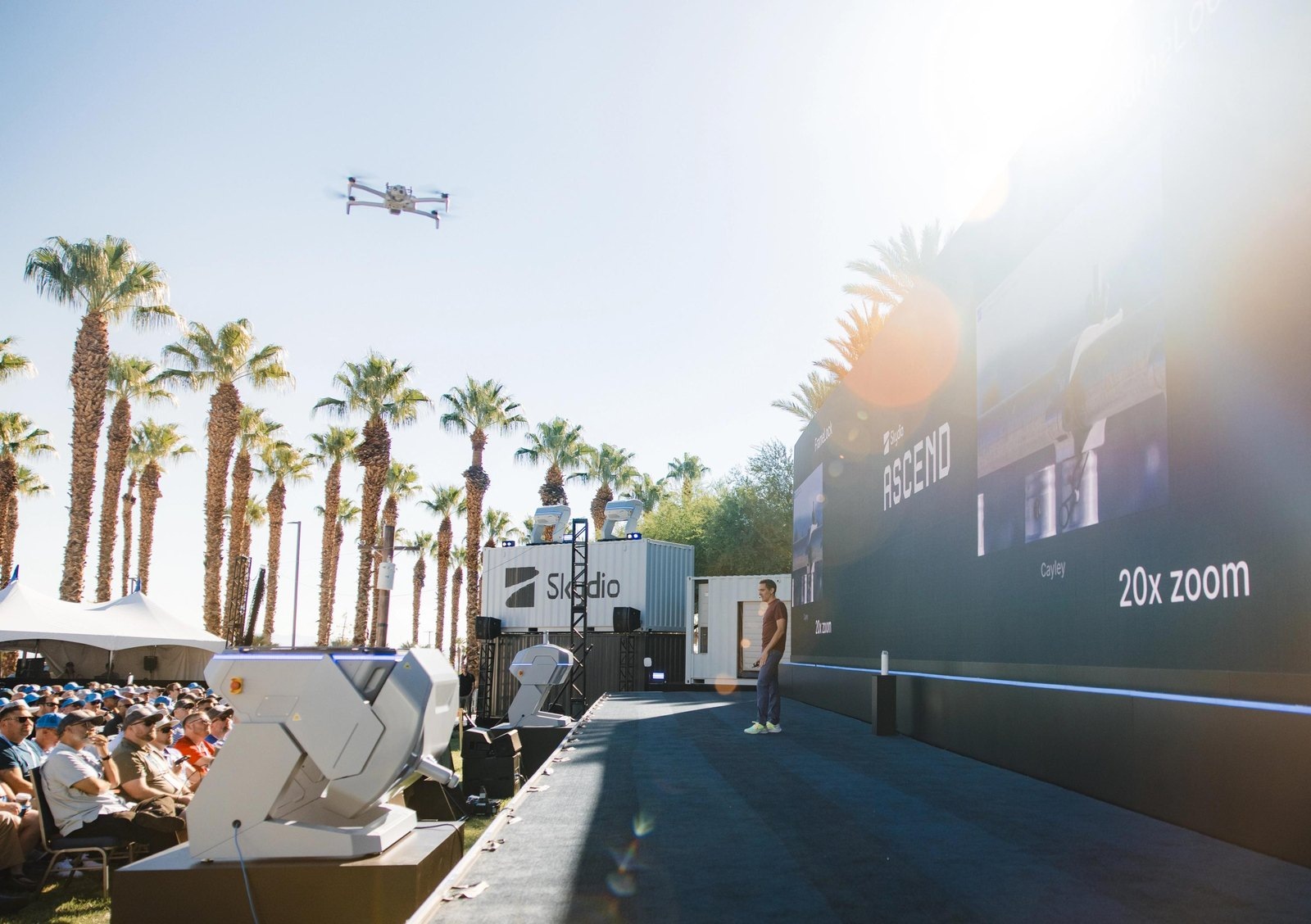
Skydio is automating launch and recovery as well as flight. The bigger opportunity is wider coverage per operator; the unresolved test is what happens when several incidents need judgment at once.
 Hover to animateDrones
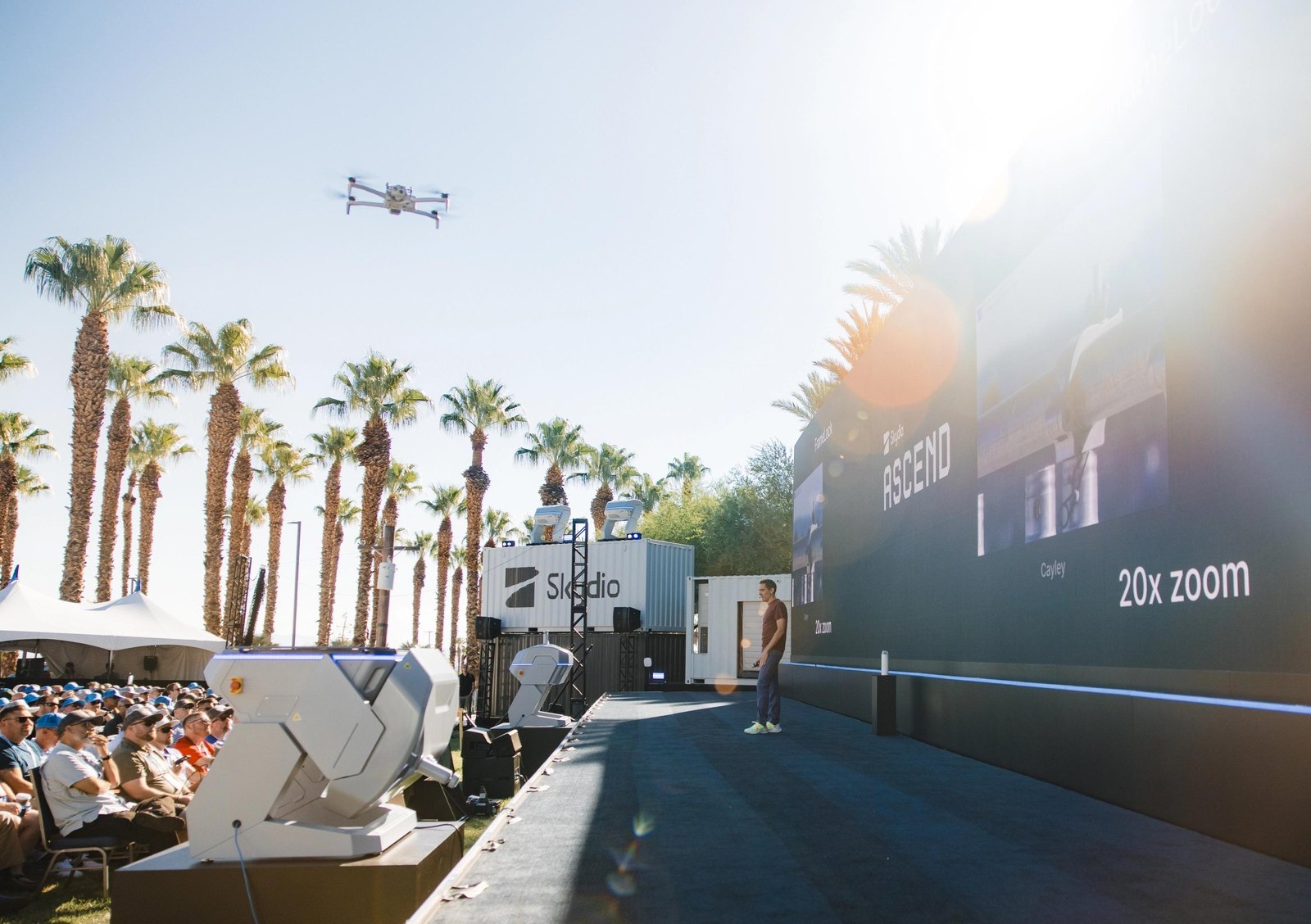
Axon’s connected DFR model links aerial views with real-time operations and evidence. The practical result is a coherent response record, not simply more launches.
 Hover to animateDrones
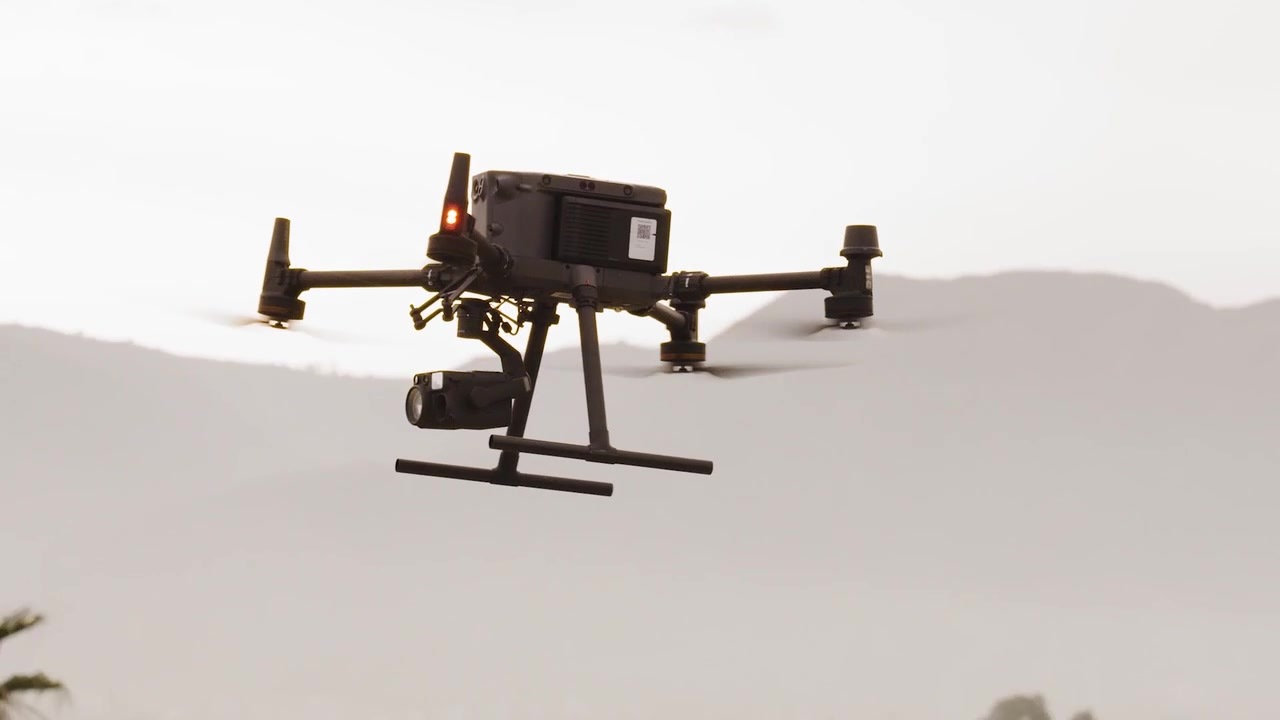
Automated launch and aerial awareness can change the start of a response. The value depends on useful information, permitted operations and an accountable decision on the ground.
 Hover to animateRobots & Vehicles
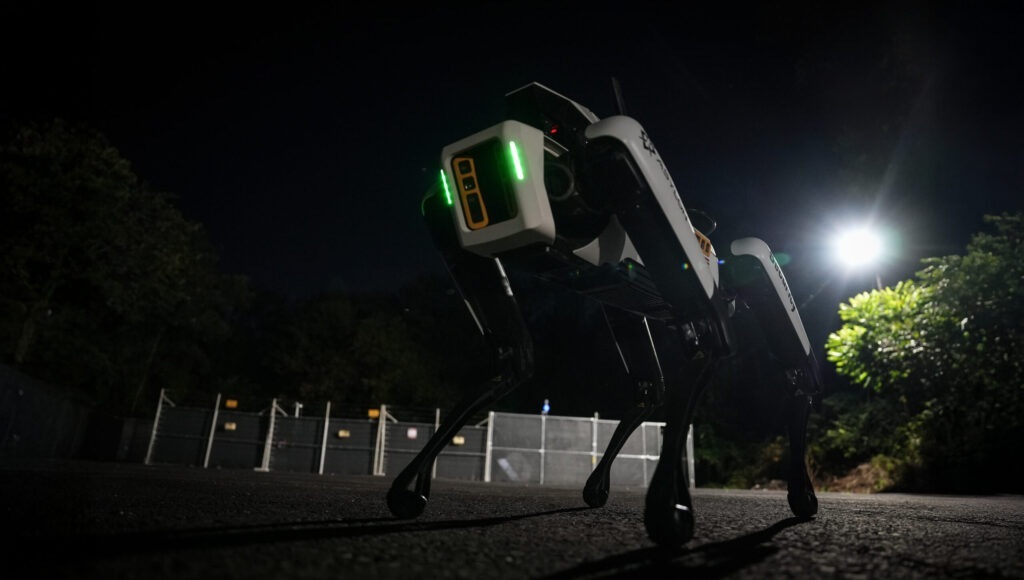
DroneDog adds security sensing and remote supervision to Spot. Terrain ability, useful camera evidence and service availability remain separate qualifications.
 Hover to animateRobots & Vehicles
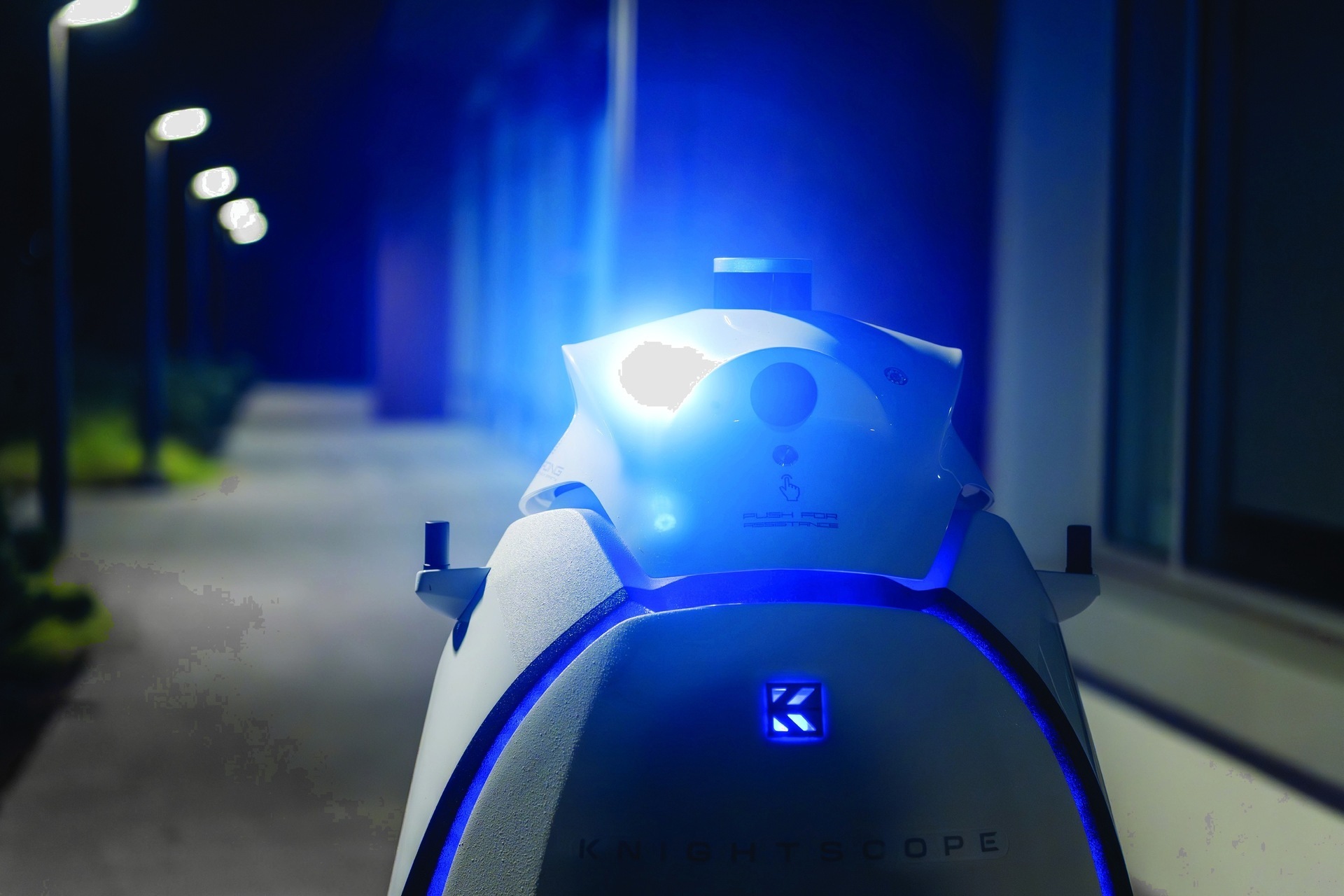
K5 combines patrol sensors with autonomous charging. The useful coverage boundary includes the route, the charger and the time the robot is elsewhere.
 Hover to animateRobots & Vehicles
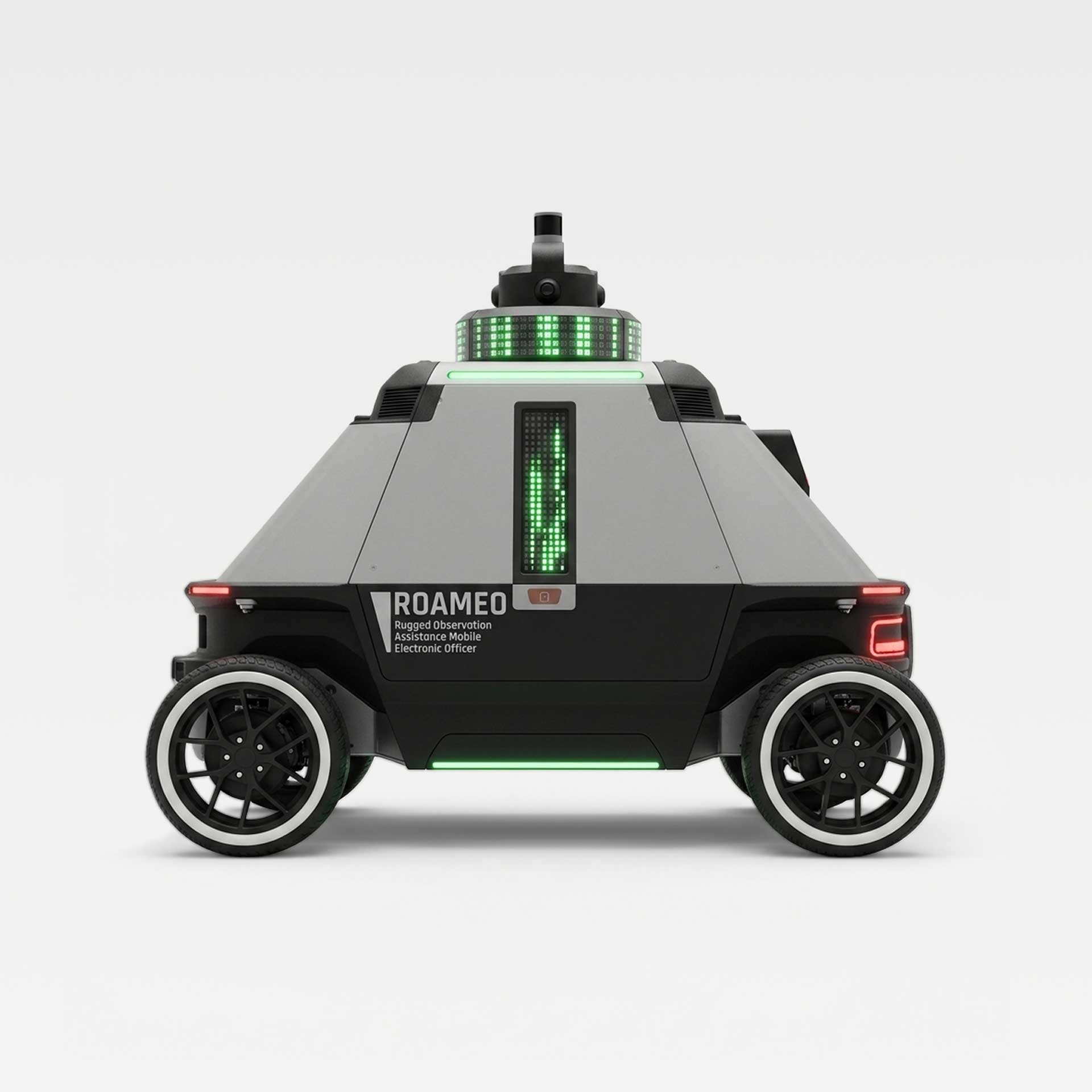
RAD’s repeat ROAMEO order points toward a service that could travel across sites. Orders alone cannot show whether support costs and customer outcomes will travel with it.
 Hover to animateRobots & Vehicles
Indoor mobility can turn a remote security service into a physical presence, provided navigation, building access and human decisions work together.
 Hover to animateRobots & Vehicles
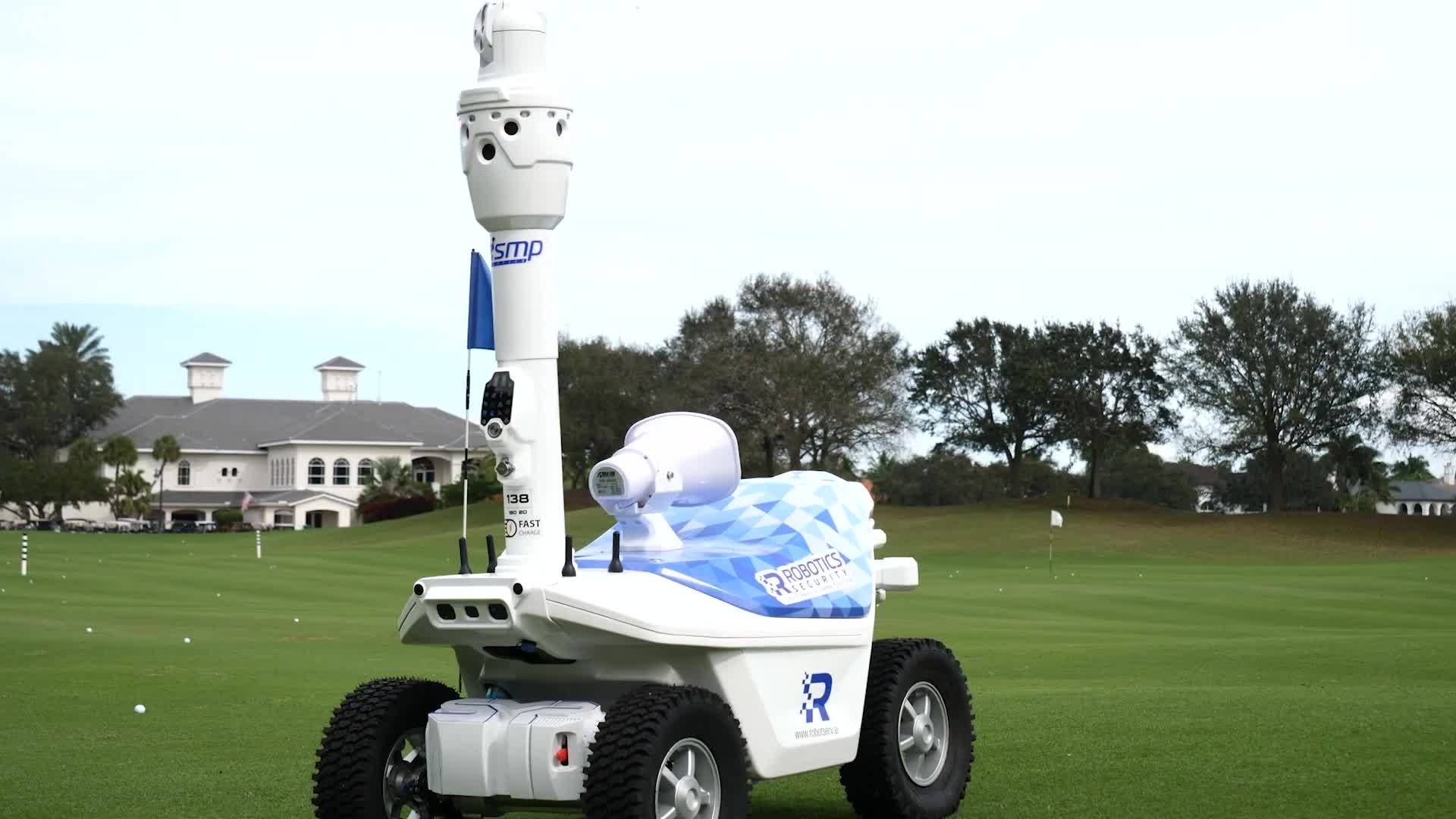
A wheeled robot can repeatedly inspect outdoor checkpoints; the useful measure is the observations and response it delivers across the whole route.
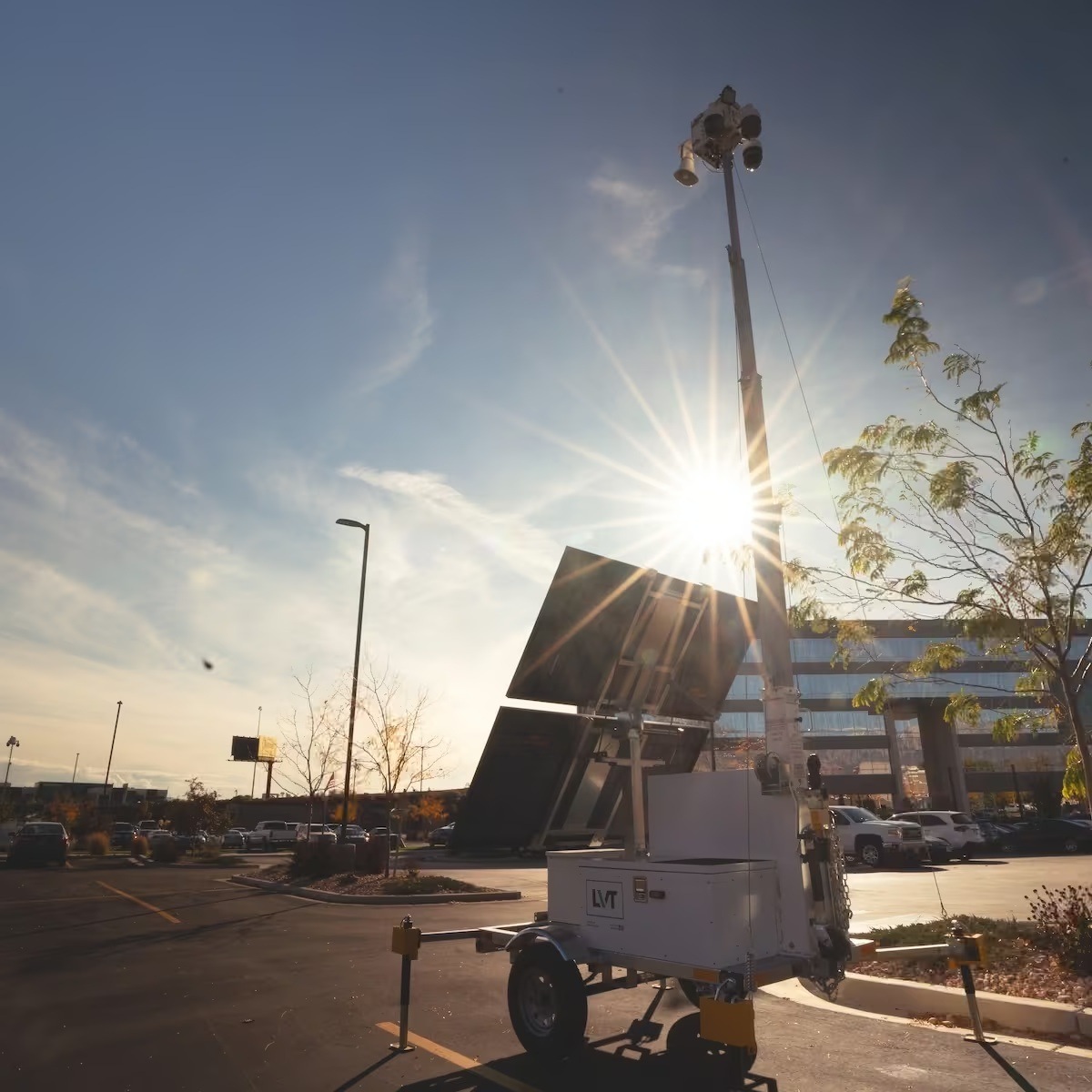 Hover to animateTowers
Solar power and cellular links can bring cameras to changing sites. The useful autonomy is a bounded detection-and-response process that people can understand.
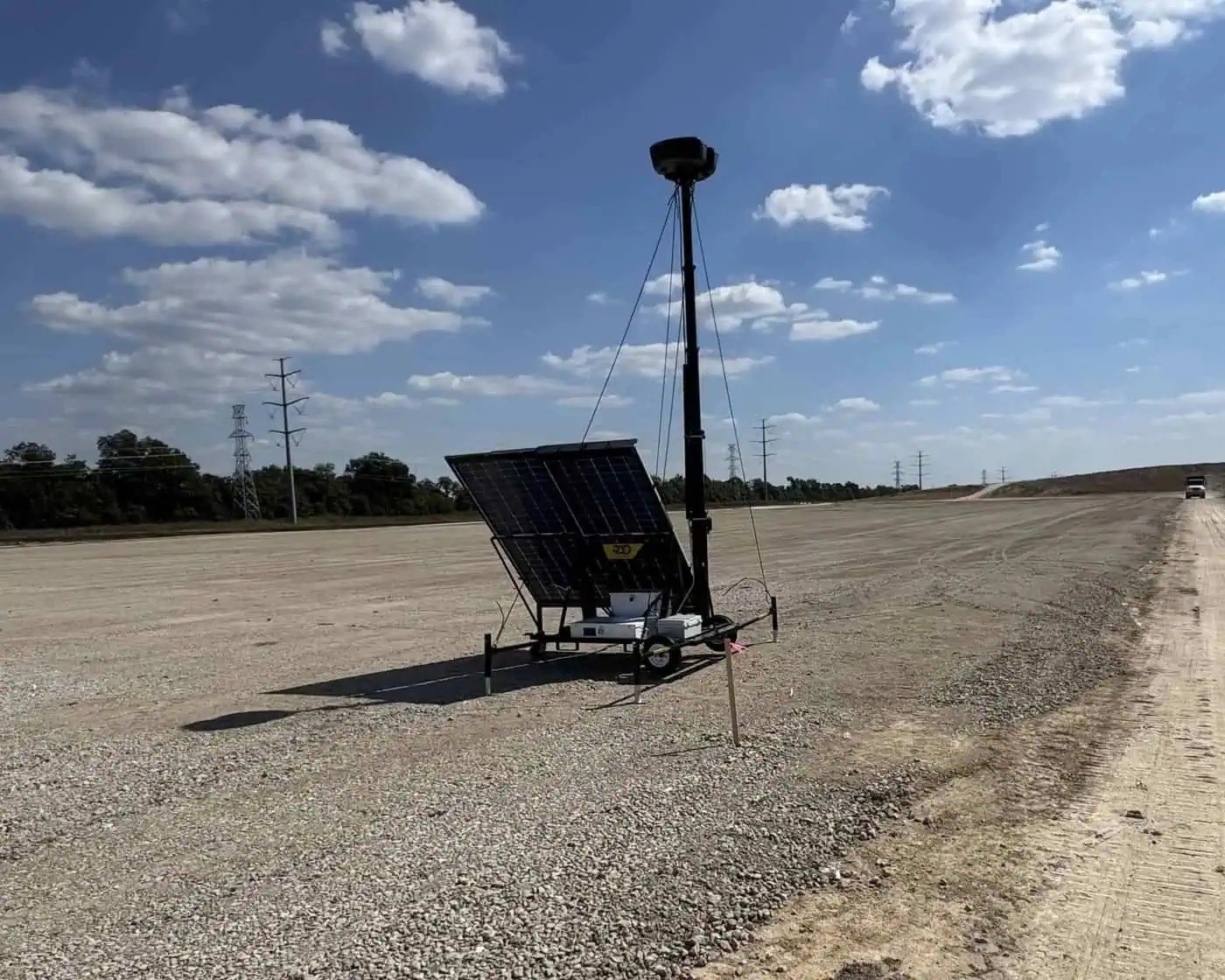 Hover to animateTowers
A solar surveillance tower can keep local analytics running. Its response layer needs an explicit account of what may happen automatically and what people still decide.
Explore the other topics in this desk.