A community depends on a water treatment plant continuing to operate while most residents are asleep. The facility can contain chemical storage, exposed infrastructure and long boundaries that are difficult to inspect consistently during a lightly staffed shift. The bigger security question is whether important checks still happen when people are occupied elsewhere. A walking robot offers a way to make those observations repeatable, provided the plant can recover safely when the machine or its route is unavailable.
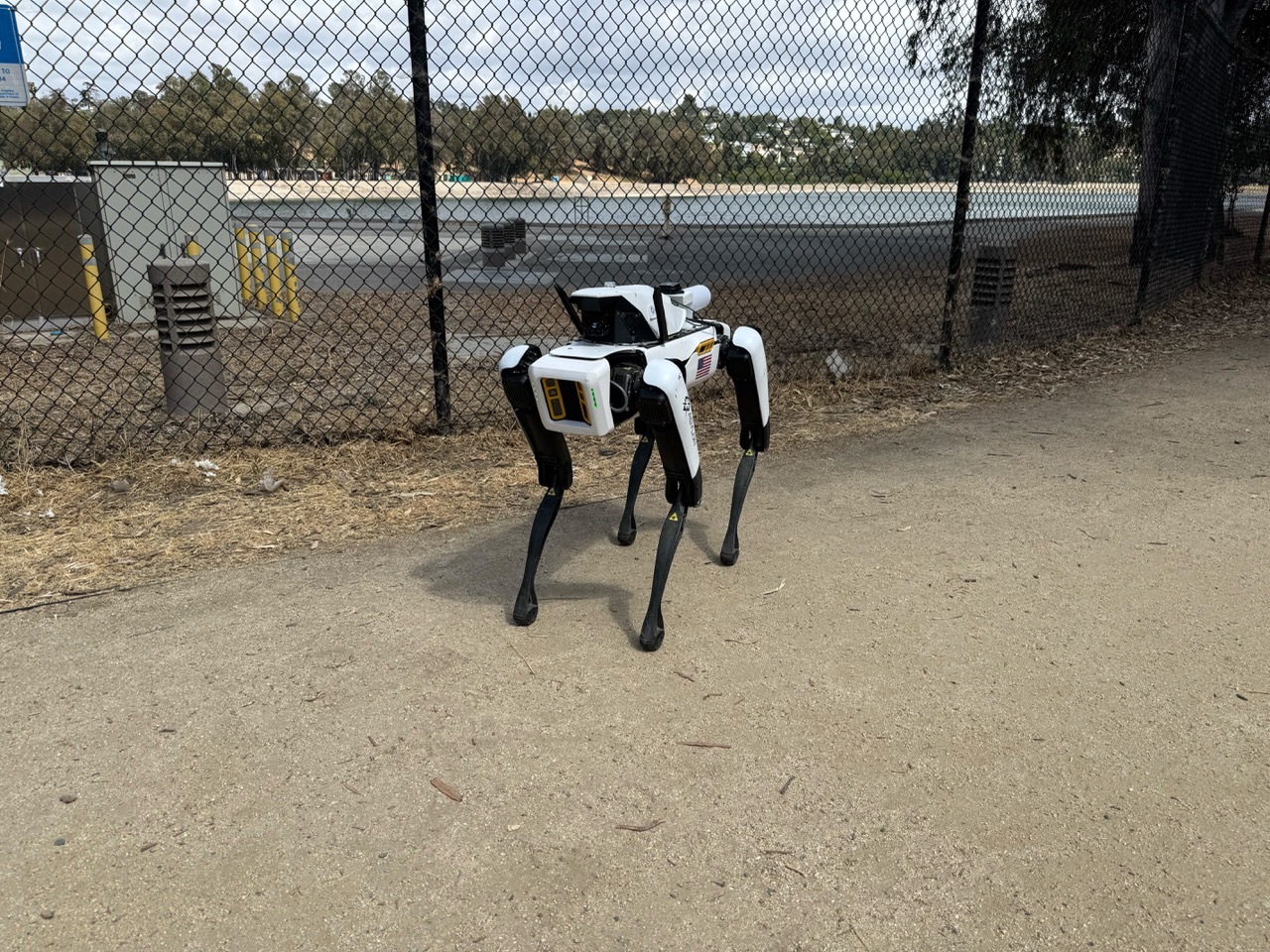
Asylon describes a deployment at an unnamed major metropolitan water authority involving one DroneDog and support from its remotely staffed operations center. The identity is withheld in the public account, which limits external verification and comparison with other plants. The deployment remains useful evidence of the workflow the supplier reports: scheduled physical patrols, recorded observations and escalation into an existing human security organization.
Main contribution
The main contribution is a repeatable patrol with a reviewable record, rather than a new camera mounted somewhere on the property. DroneDog physically travels an approved route carrying its sensing package. Remote staff supervise the operation and coordinate exceptions with the plant’s team. This arrangement can make the completion of a check visible to supervisors instead of leaving them to infer it from a schedule or an officer’s later account.
Watch the system in action
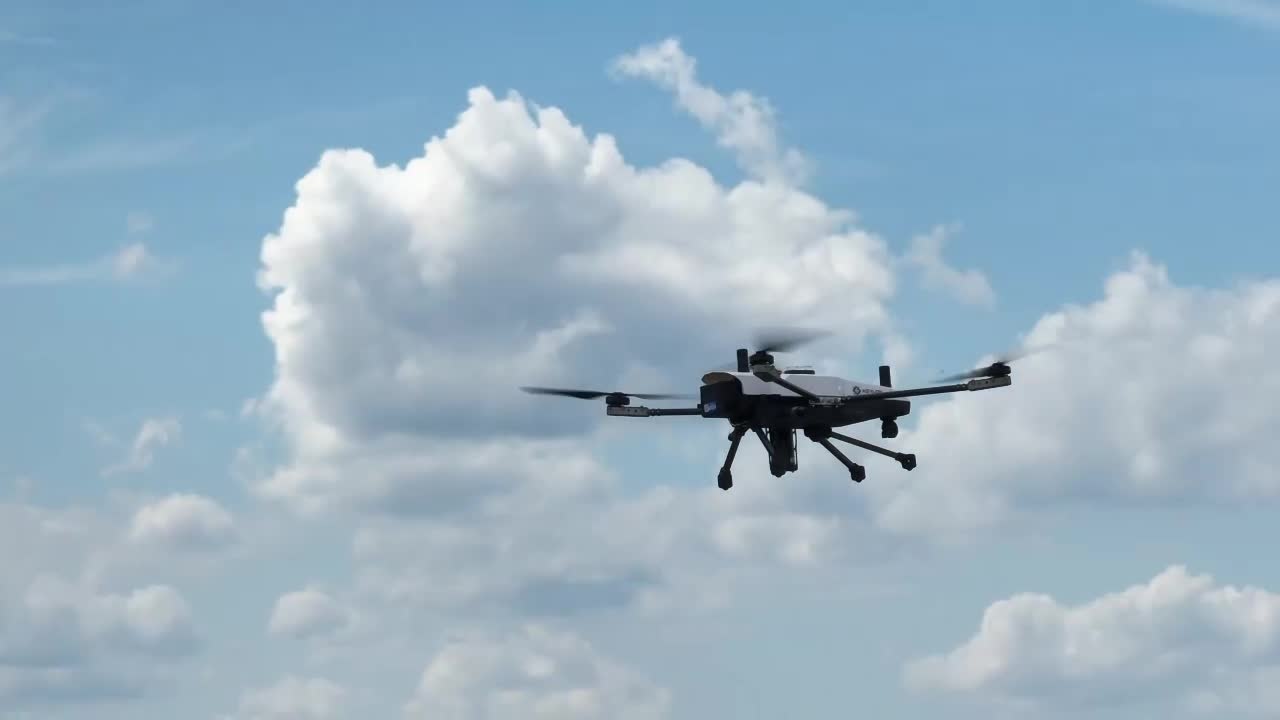
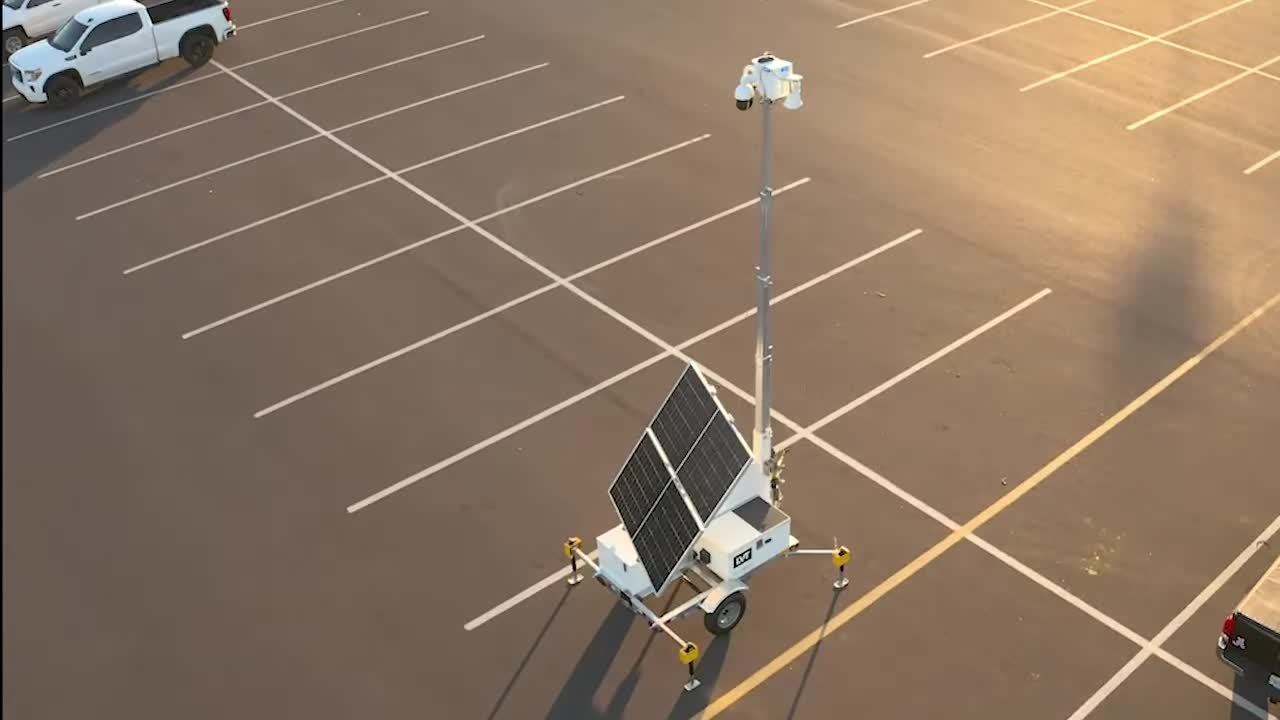
Official Asylon footage illustrates Guardian aerial robots and DroneDog ground patrol. This is a manufacturer demonstration, not footage proving the individual customer outcome. View the source ↗
Why a water plant is a distinct application
The useful patrol route follows the plant’s actual risks. An unsecured access point, changed fence condition or activity near a sensitive area can justify a closer look. A robot should not be asked to infer chemical safety or treatment performance from an image when the relevant task is a physical security inspection. Defining the question narrowly helps operators establish which observations are sufficient and which require a qualified person to attend.
Water facilities also have hazards that a general office patrol does not. Walkways, drainage, uneven surfaces and operating equipment can alter safe access. A legged platform can offer mobility advantages, but those must be qualified with the complete payload and the plant’s current layout. An impressive walking demonstration does not establish safe operation beside every process area. Local staff need authority to suspend or redirect the route when conditions change.
What the published deployment reports
The supplier’s account lists 4,622 automated patrols and 5,520 miles logged, alongside 167 security events and 133 unsecured doors detected. These are reported operational totals, not independent estimates of crime prevented. The case also reports that every patrol generated a digital record. A useful customer evaluation would connect those records to completed observations, human interventions and unavailable routes so that patrol volume is not mistaken for comprehensive protection.
The unsecured-door result illustrates the boundary well. Detecting a door condition can give the security team something actionable to check. It does not establish why the door was open, whether the opening was authorized or whether the area was otherwise secure. The original observation should remain attached to the event. A generated summary is helpful for navigation, but the person responsible for a response should be able to inspect the supporting view.
A robot-to-human response needs practice
A patrol can be automated while incident handling remains a human responsibility. The remote center and the facility team need to agree on who receives an event, how quickly it is acknowledged and what happens if the primary contact is unavailable. The robot may provide another viewpoint or remain at a safe observation point. It should not acquire authority to enter a hazardous zone merely because somebody wants a clearer picture.
The deployment should exercise routine exceptions as well as successful patrols. A blocked route, lost communication path, depleted battery or unreadable observation can all change what coverage the service provides. Staff should see which task was left incomplete and which fallback applies. That distinction keeps a failed patrol from disappearing into an apparently healthy dashboard. These are evaluation scenarios, not claims that the reported water-authority installation experienced those particular failures.
What dependable infrastructure coverage costs
Charging and service readiness belong inside the security promise. A robot that completes one impressive patrol but is unavailable for the next scheduled check has not supplied consistent overnight observation. The operating plan should account for maintenance, support staffing and safe recovery. Records should distinguish routine automated movement from teleoperation, so the customer can understand the human workload required to preserve useful coverage over time.
Data handling also matters because the machine observes a sensitive facility. Access to recordings and route information should follow the plant’s security policy. Teams need a retention period tied to their actual investigation and reporting needs, rather than unlimited collection by default. The supplier describes digital documentation as a benefit; the customer must still decide who may retrieve it and how it remains trustworthy for an incident review.
How it could change the world
The broader opportunity is a layer of repeatable attention around essential services. Utilities could retain scarce staff for maintenance, judgement and incident response while using robots to perform suitable routine checks. The same principle may apply to other dispersed infrastructure, but each installation needs its own route qualification and response procedure. A water-plant success story does not automatically establish performance in an electrical substation or a public transport hub.
The most important impact would be making the security routine demonstrable. Supervisors could examine where the machine went, which observations it supplied and which exceptions people resolved. That would support better staffing and clearer accountability alongside the physical patrol itself. The deployment should be judged by that complete chain of useful observations and responsible actions, rather than by the novelty of a robotic dog walking through a critical facility.
Questions, news tips or corrections? Contact [email protected].