Coverage note: This Skylark Labs analysis was added at the publisher’s request. Company claims and footage are attributed; this is source-based analysis, not an independent field test.
A security drone can reach an elevated viewpoint quickly, but an aerial video feed still leaves a human with the work of understanding what matters. When several sites or aircraft are involved, sending more footage can increase the monitoring burden instead of reducing it. The bigger opportunity is an aircraft that helps identify the few observations requiring a decision, while preserving enough evidence for a person to judge them.
Skylark Labs positions VIPER-S around that shift. For security teams, the relevant subject is the surveillance configuration and its onboard perception, rather than the separate attack configuration sharing the VIPER name. The potential contribution is to make a mobile observer more useful under constrained communications and changing local conditions.
Main contribution: interpretation travels with the aircraft
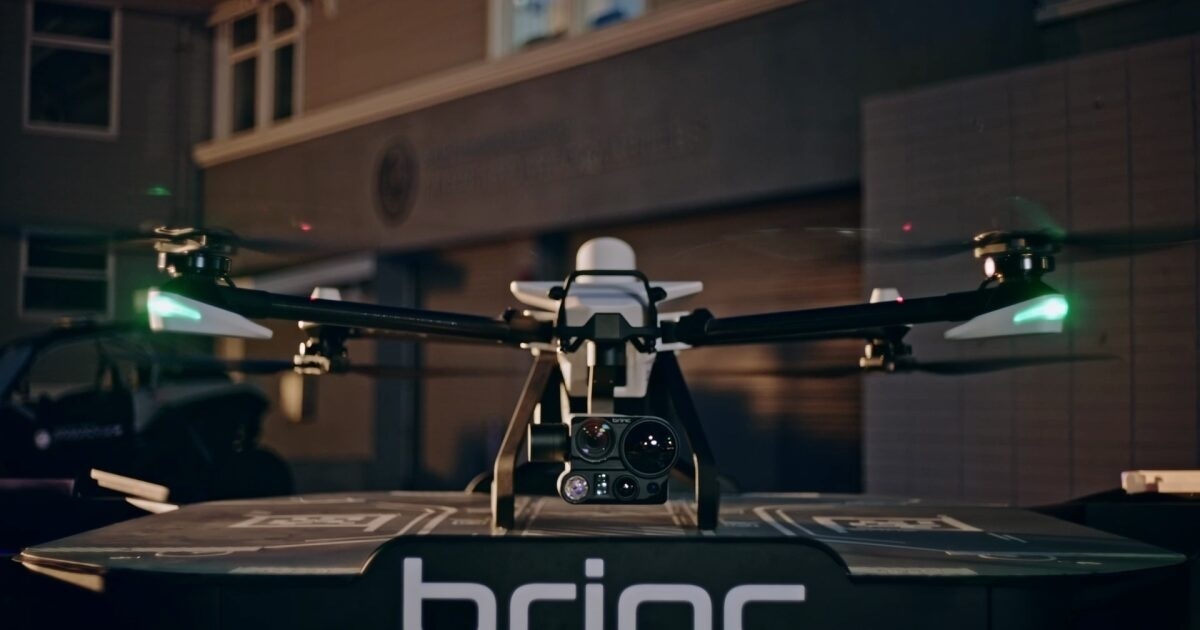
On its official product page, Skylark describes VIPER-S as a surveillance drone with onboard detection, classification and tracking. The company says its field-adaptive AI can operate without cloud streaming and send alerts rather than raw footage. These are advertised capabilities; the page does not supply independently audited accuracy, flight-endurance or operator-workload results.
Watch the system in action
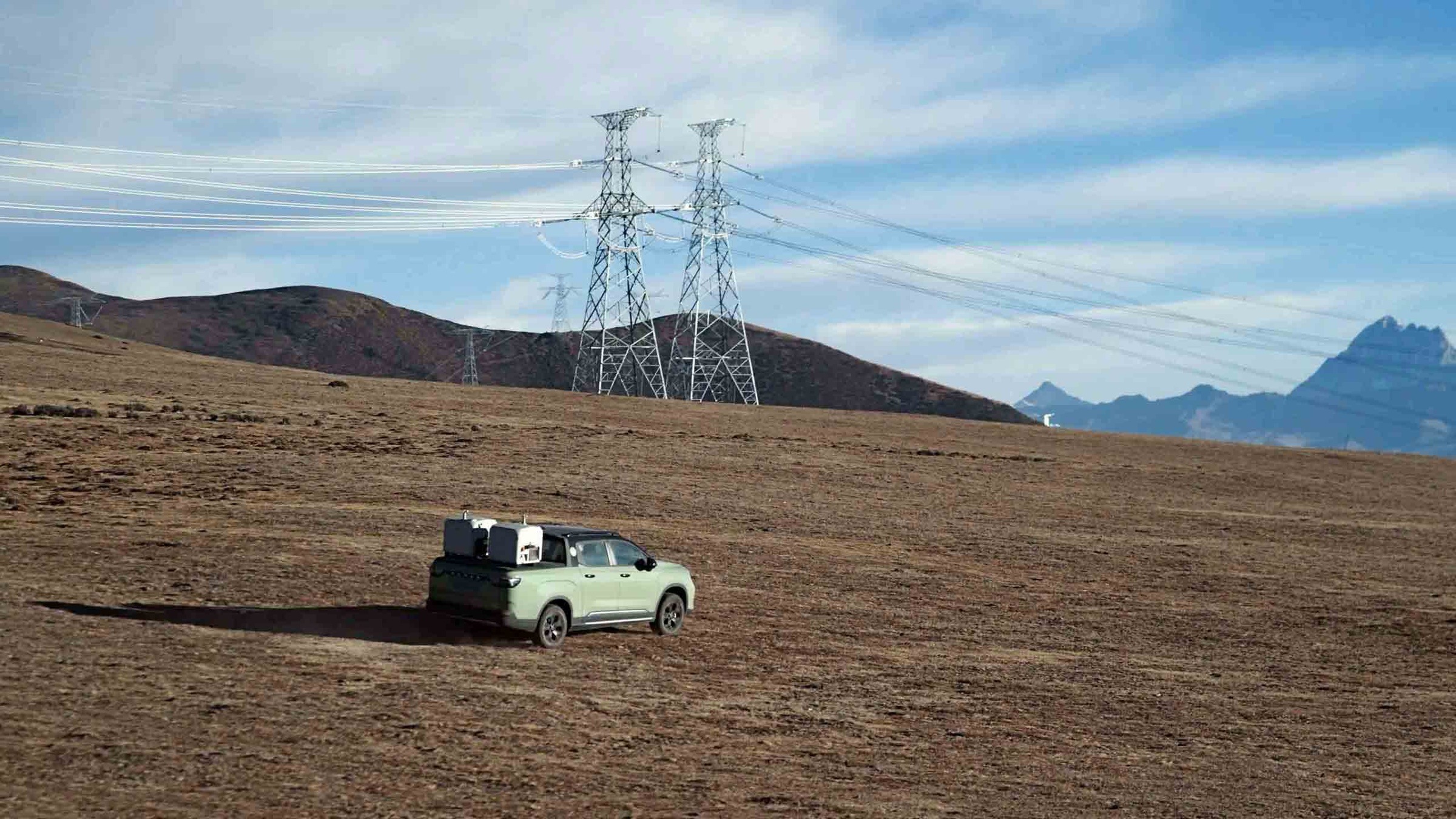
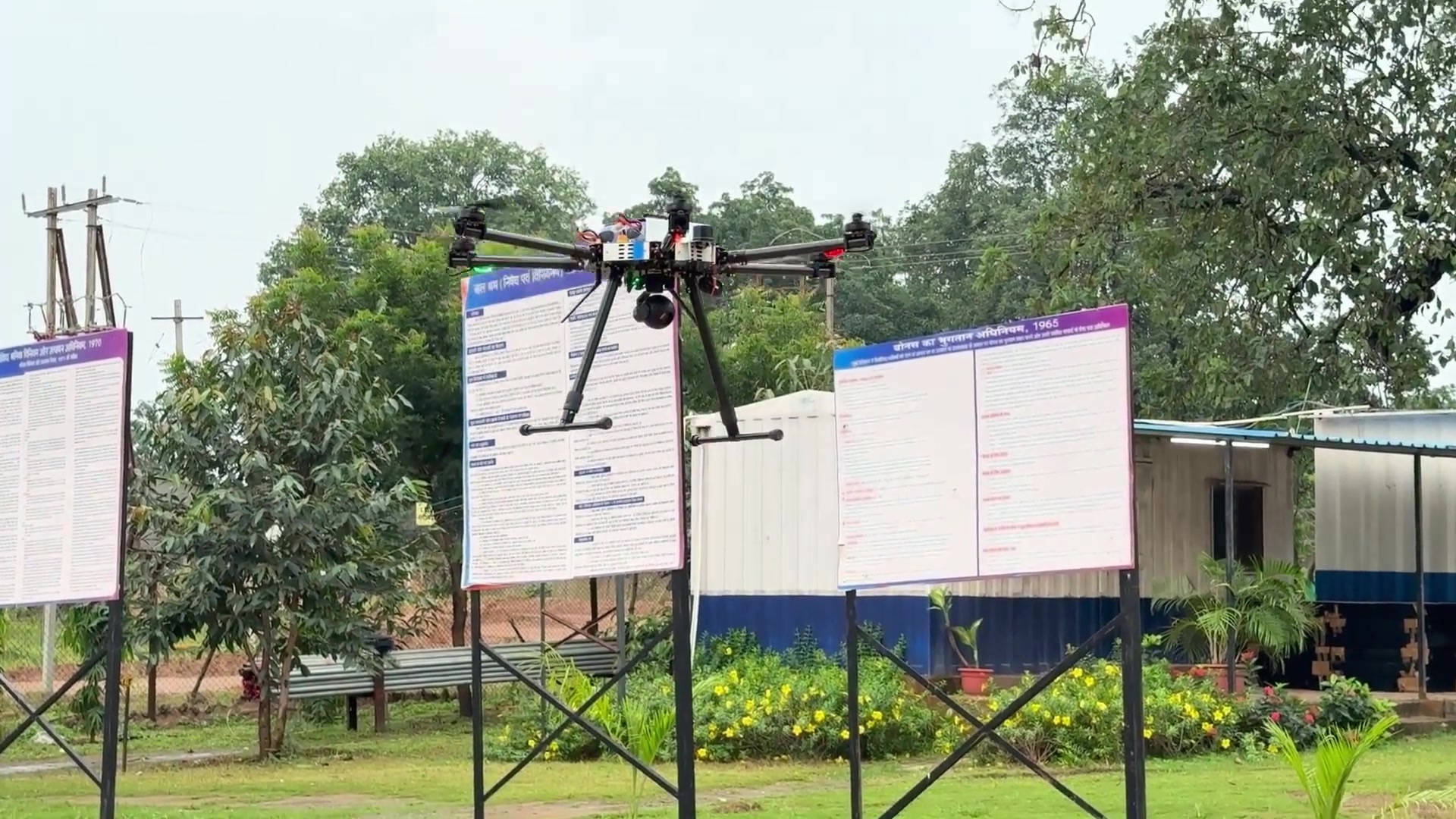
Skylark Labs platform footage. The sequence combines aircraft flight with annotated infrastructure imagery; it does not establish measured accuracy or fully autonomous incident response. View the source ↗
Separate the aircraft from the intelligence claim
Flying a planned route, holding a useful view and interpreting that view are distinct jobs. Strong performance in one does not establish performance in the others. A security buyer should separate the air vehicle, the flight supervision arrangement, the perception software and the dispatch workflow when evaluating the system. That prevents an impressive tracking clip from standing in for a complete operating assessment.
For example, recognizing a vehicle does not answer whether it is permitted at a particular gate. A track can provide evidence for a decision, but the decision depends on site context. A useful deployment therefore links an observation to a location, an operational rule and the person responsible for verification. The analyst's interpretation should remain distinguishable from what the sensor actually recorded.
What local processing could change
The architectural argument for onboard interpretation is straightforward: a team may not need every frame from a routine flight to determine that an event deserves attention. Sending a compact notification with supporting evidence could reduce the amount of material that operators review. The size of that benefit depends on the actual mission and has to be measured rather than assumed.
A fair evaluation would compare the same patrol task with and without the analytic assistance. It would count relevant events found, unnecessary alerts generated, verification time and the amount of manual video review. Performance should also be checked when backgrounds, lighting or weather differ from a demonstration. A single successful pass provides very limited information about a system expected to work repeatedly.
Field adaptation needs a traceable boundary
Adaptation is attractive because a utility site and a logistics yard can look very different. Yet learning the local scene introduces a management question: who decides that a recurring observation is harmless? If feedback suppresses a distracting alert, the team needs a way to confirm that genuinely relevant events still appear. Improvement should be demonstrated against preserved test cases, not inferred from a quieter screen.
This suggests a practical acceptance requirement: retain a versioned record of configuration and feedback, evaluate changes against representative examples and provide a controlled way to return to an earlier state. These are analytical recommendations for an adaptive deployment, not features established by the public VIPER-S description. The buyer should ask the supplier to show how its particular implementation handles them.
What the partnership announcement does and does not show
A September 2026 announcement published as contributor content describes a Skydio partnership connecting drone video streams to Skylark's Kepler analytics for infrastructure customers. It supports the broader direction of customizable drone intelligence. It is not an independent performance study, and it should not be read as proof that a Skydio aircraft is a VIPER-S or that every integration performs its analysis onboard.
That distinction matters to procurement. An organization comparing products should ask which component runs which model, where data is transmitted and what remains available if a connection fails. Brand relationships can suggest an integration pathway, but they do not replace an architecture diagram and a demonstration of the exact configuration being purchased.
Applications follow the response requirement
For an energy facility, a drone might help verify an unusual observation along a remote boundary. In a logistics operation, an elevated view could help a supervisor understand activity around restricted areas. In public safety, aerial observation might support an incident commander who needs a current view of a developing scene. These are potential mission patterns, not additional deployments claimed for VIPER-S.
Each pattern requires a different response threshold. An inspection finding may enter a maintenance queue; an urgent safety observation needs immediate human attention. The same alert format will not necessarily serve both. Scheduling, aircraft availability, landing arrangements and the handoff to a responder must be evaluated alongside perception. An analytic that works during a flight cannot compensate for an aircraft that is unavailable when the task begins.
The bigger picture: better evidence per flight
VIPER-S points toward a security model in which a drone contributes interpreted evidence rather than simply multiplying video feeds. The world-changing possibility is not an aircraft making every decision for a security team. It is a smaller team gaining useful awareness across dispersed physical sites without having to watch every moment of footage. Real progress will be visible in dependable verification and appropriate response, with uncertainty exposed and human responsibility clear.
References
Questions, news tips or corrections? Contact [email protected].