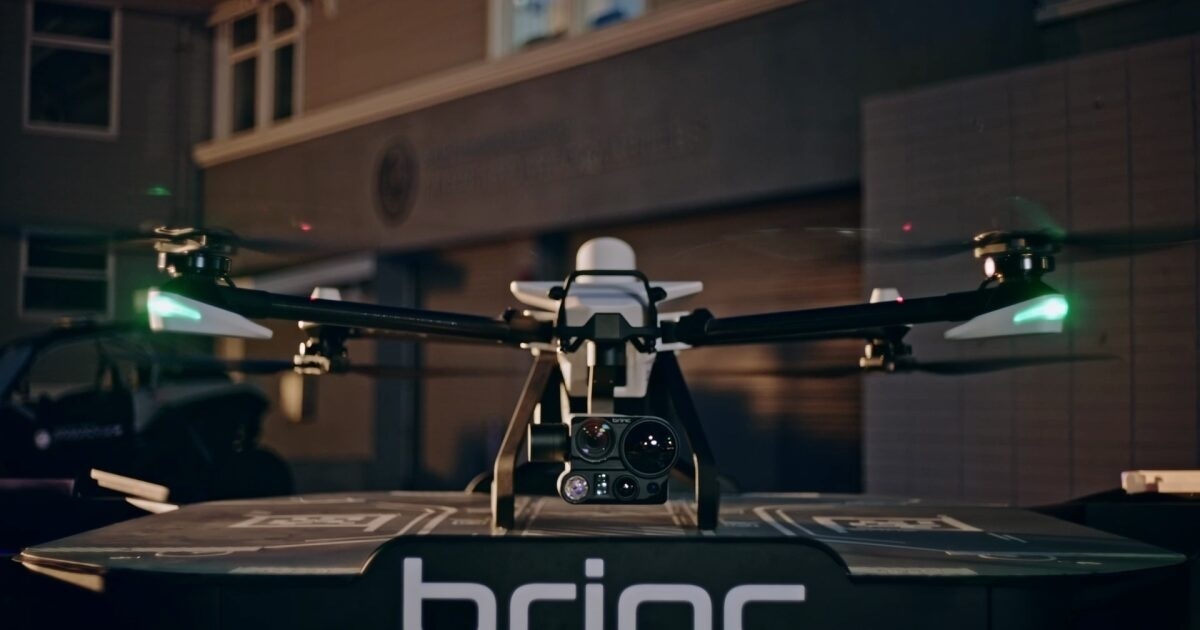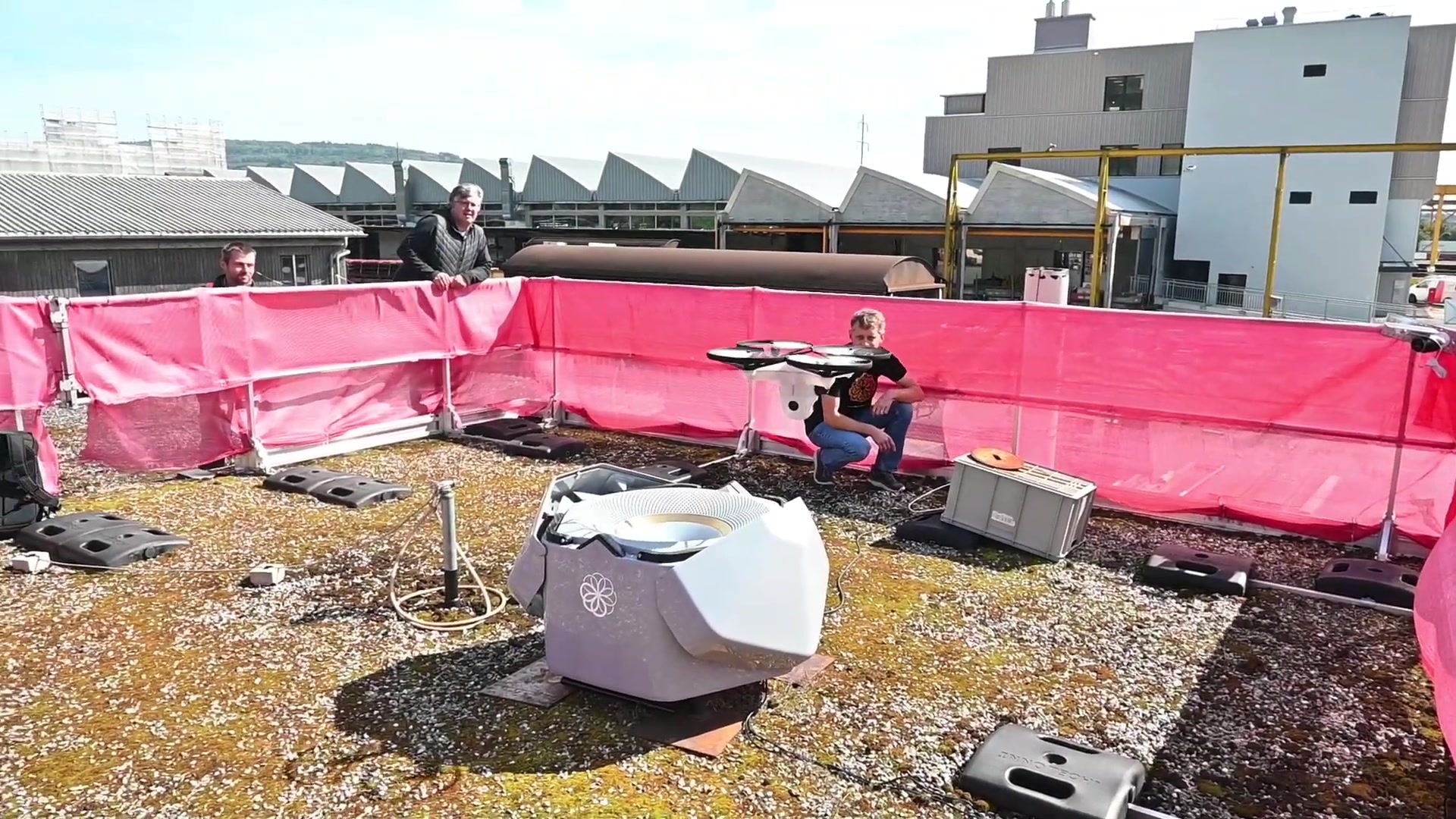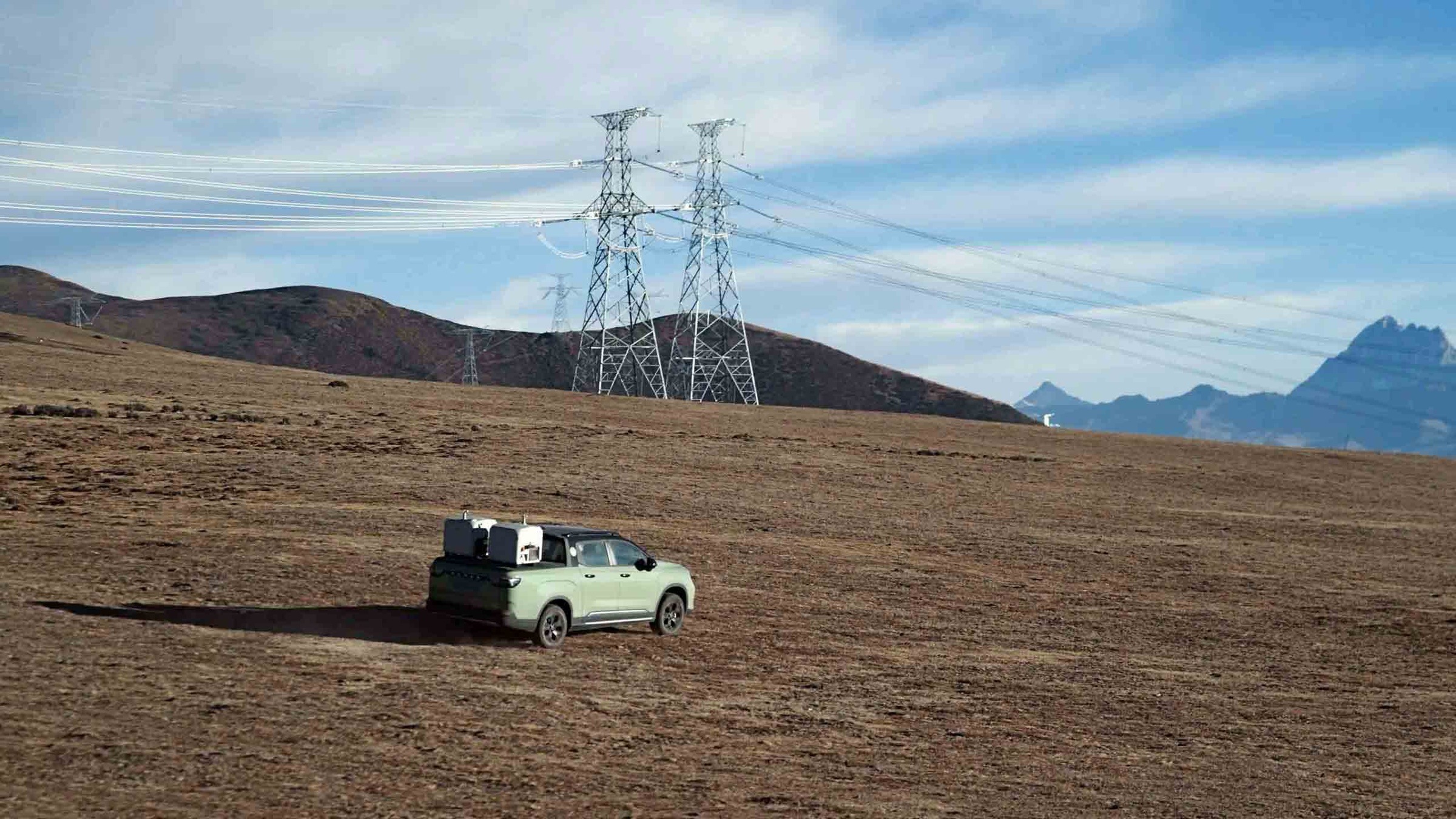
A temporary site may need aerial observation without committing to a permanently installed drone base. Putting the dock on a vehicle can make relocation practical. It can also encourage a misleading mental picture of a drone continuously operating from a moving vehicle. DJI’s Dock 3 guidance defines a narrower capability: move the base into position, qualify the setup and operate with the vehicle stationary.
Main contribution
The main contribution is the ability to relocate a docked aerial system on a vehicle, then run repeatable missions from a stationary, calibrated base. That changes where aerial coverage can be established without pretending that aircraft operations follow a moving vehicle. DJI pairs Dock 3 with the Matrice 4D series and remote management through FlightHub 2. The practical autonomy sits in the coordinated launch, mission, return and readiness process. A person still defines the security purpose, qualifies the location and decides what action follows the observation. This is an infrastructure contribution: it brings a repeatable robotic service closer to a changing site.
Watch the system in action
DJI product footage showing vehicle-mounted Dock 3 deployment and Matrice aircraft operation; an illustration of supported hardware, not an independent operational trial. View the source ↗
DJI launched Dock 3 in February 2025 as its first dock supporting vehicle mounting. Its current support guidance requires the vehicle and dock not to move while the aircraft is operating, sets a parking-slope condition and calls for remote dock calibration before operation. Those are material operating requirements alongside the portability feature. The announcement does not establish that a security organization has permission to fly at any new site or that relocating hardware alone creates a ready aerial service. DJI Dock 3 launch and vehicle mounting. DJI Dock 3 vehicle-mounted operating precautions.
A new location changes the mission geometry
Moving a station changes where the aircraft departs, what obstacles surround it and where it returns. A previous mission plan can be unsuitable even when the drone and dock are unchanged. Calibration connects the software’s reference position with the physical base. The useful autonomy includes that preparation, rather than assuming the vehicle’s arrival supplies enough knowledge for the next flight. Portability removes one installation commitment while creating a repeatable setup task.
The support guidance also describes how movement during aircraft operation affects return behavior. A buyer should use the documented model and procedures, rather than infer a moving-base capability from the phrase vehicle-mounted. In an illustrative temporary perimeter deployment, somebody relocating the vehicle could turn a routine return into a different recovery situation. The service needs a clear way to keep the base’s required state aligned with the mission state.
Temporary infrastructure still needs a suitable site
Parking, power, communications and a usable takeoff and landing area remain physical requirements. A vehicle can bring equipment to a location without making that location appropriate for flight. The team should inspect the operational surroundings and identify a fallback location before treating the system as available. These are deployment questions derived from the support conditions, not claims that Dock 3 fails to manage the situations it is specified to handle.
A mobile security viewpoint can be useful after a site layout changes or during a temporary monitoring need. The value lies in reducing fixed construction and moving observation closer to the relevant area. A countercase is a location repeatedly served from the same point, where a permanent station may reduce setup effort. The portability feature is most economical when relocation is actually needed, rather than used as a universal substitute for planned infrastructure.
The mission still has an evidence objective
An aircraft can complete a route and return correctly while the footage does not resolve the security question. The selected camera, flight height, angle and relevant scene detail need their own qualification. A mobile base changes where the mission starts; it does not establish that each temporary view reveals the target clearly. Buyers should test both dependable operation and the useful evidence it supplies, keeping those outcomes separate.
A practical evaluation would repeat setup and missions at representative locations, not only fly after an expert has commissioned one ideal site. Record calibration time, manual interventions, failed readiness checks and the quality of the resulting recordings. Include a defined response when the parked site cannot meet the requirements. The useful commercial measure is completed, usable observation from a repeatable deployment process, rather than the speed of moving the dock between locations.
Operating approvals and organizational procedures remain outside the mechanical mounting claim. The article does not attempt to determine the regulatory entitlement of a particular operator. It simply preserves the distinction between a capable device and a complete permitted service. That boundary matters for ordinary procurement because a portable design may be purchased long before every proposed operating site has been qualified.
Automation begins after a qualified base is established
The physical-autonomy chain starts with a dock in an approved stationary state, then proceeds through launch, flight, observation and return. Moving the vehicle is a relocation task between those cycles. A remote operator may still choose the mission, inspect the footage and authorize a response. The aircraft’s ability to follow a route does not establish that it independently selected the security purpose or decided what an observed person was doing.
A useful deployment record would retain the site and dock position associated with each mission, its configured limits and any operator intervention. That is particularly important when a trailer or vehicle serves more than one property. A report copied from the last location can describe a technically valid route that no longer fits the new physical environment. The gain is a repeatable setup and observation process, with the moving-base boundary understood by the driver, remote operator and local staff who share responsibility for keeping the station ready.
The broader consequence is more flexible aerial infrastructure. DJI’s vehicle-mounted dock can help security teams bring a repeatable camera platform to changing locations. That flexibility becomes useful when its stationary-flight boundary and setup requirements remain clear, so mobility improves deployment without being mistaken for unrestricted operation.
Deployment across sectors
A construction company could move the station when the perimeter shifts; a utility could position it near a damaged corridor; an event organizer could use a temporary site rather than build a permanent base. These are applications of the relocation capability, not evidence that every sector has bought this exact configuration. Each site still needs parking, power, connectivity, emergency recovery arrangements and the relevant flight permissions. A warehouse that never changes location may benefit more from a fixed installation. Buyers should compare the cost and time of moving and recommissioning the service with the coverage gained, rather than select mobility simply because it looks more flexible.
How it could change the world
If this approach proves dependable, aerial security could become temporary infrastructure that arrives with the work rather than permanent equipment installed long beforehand. That matters for disaster recovery, infrastructure maintenance and changing industrial sites. The limiting unit is a qualified mission from a qualified location, not a dock carried on a truck. A successful future would make useful observation available sooner while keeping flight rules and the responsibility for responding to an incident clear. The world changes through repeatable deployment that gives people a better view when they need it; unrestricted roaming surveillance is neither required nor established by the vehicle mounting feature.
Questions, news tips or corrections? Contact [email protected].