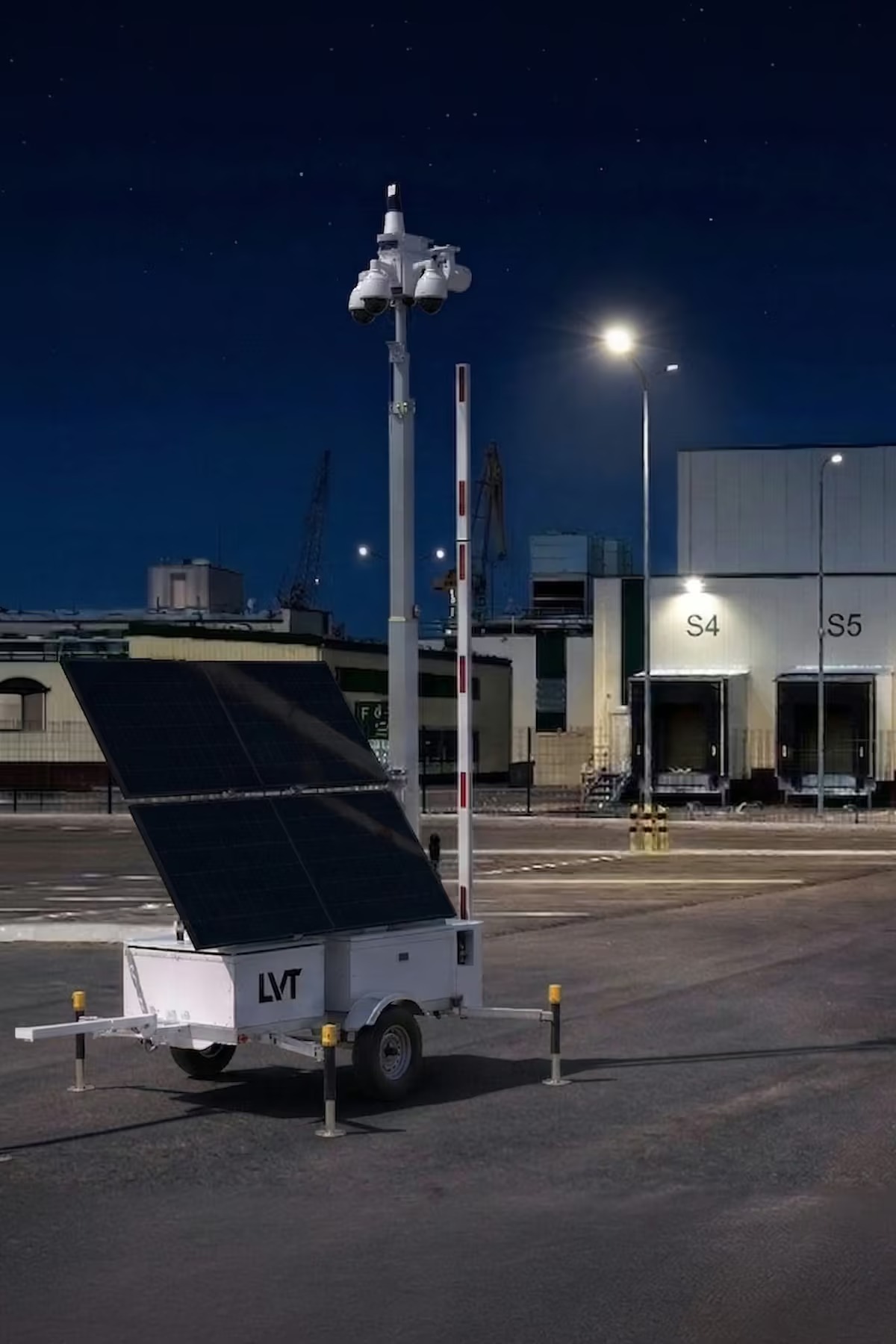
A mobile surveillance tower can extend visibility to a location without permanent camera infrastructure. Its operational value depends on what happens after the camera is installed: whether the view remains useful, whether alerts reach an available reviewer and whether recorded material can be retrieved with enough context for later investigation. The mast and camera are therefore only part of the purchasing decision.
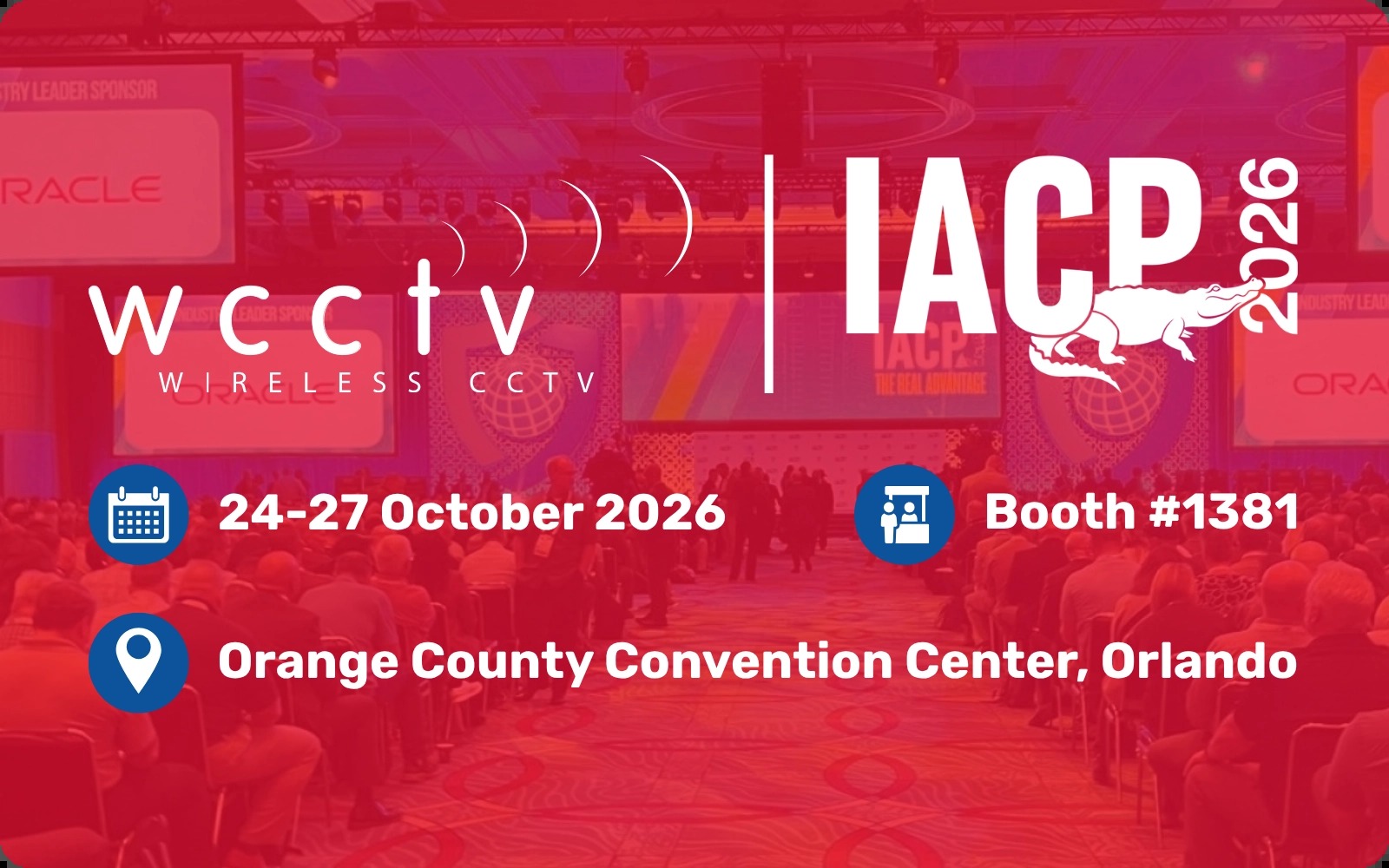
WCCTV’s September 24 preview says it will present mobile surveillance, centralized cloud management and detection features for intrusion, smoke and fire at IACP 2026, scheduled for October 24–27 in Orlando. The source identifies Booth 1381 and describes live and recorded video workflows. As of this analysis, the event is still upcoming. The preview is a statement of planned demonstrations, not evidence that the event has occurred or that a specific agency has achieved a measured operational improvement. Primary source.
Start with the observation the site needs
A tower’s location should follow the information requirement. A wide view may be useful for understanding movement but insufficient for resolving a particular detail. An installation can also be affected by parked vehicles, temporary structures or changing light. A useful demonstration should therefore explain the conditions in which the displayed observation was obtained, rather than allowing a clear sample image to stand for every possible site.
Consider a hypothetical temporary parking area. A camera might show an accumulation of vehicles while leaving the access road outside its view. The monitoring team could recognize congestion without understanding its cause. The solution may involve a different view or coordination with another source, rather than a more confident automated label. The important design question is whether the coverage supports the decision that staff are expected to make.
Smoke and fire detection introduce a related distinction between a visual indication and a confirmed incident. An alert can prompt a review, but the operator needs a defined process for checking the evidence and escalating appropriately. Product demonstrations should show both useful detections and the treatment of uncertain cases. A list of supported classes does not establish a measured false-alarm rate.
Connectivity should fail visibly
Cloud management can simplify access across several installations, while also making the state of each connection important. A monitoring screen should make it clear when a feed is stale or unavailable. Otherwise, an apparently quiet view could be mistaken for a live observation. The source preview does not publish the detailed behavior of every failure mode, making this a practical question to examine during evaluation.
The same principle applies to power and recording. An operator needs to understand whether an interruption affects live viewing, local recording or both. Those differences influence what evidence may be available afterward. A service review should not treat camera uptime, connectivity and retrievable recording time as interchangeable measures.
Mobile equipment also moves. A record associated with a tower should preserve where it was installed and which view it provided at the relevant time. Without that context, footage may be difficult to interpret after the unit has been relocated. This is especially important when several temporary deployments share the same management platform.
Evidence access is part of the operating cost
Retrieving a useful recording can require more work than locating a timestamp. Staff may need to associate footage with an incident, identify gaps and document who accessed or exported it. A purchasing review should include that process. A platform that is easy to watch live may still impose substantial work when a team needs to prepare material for a later review.
Access permissions should reflect the organization’s responsibilities. A person who monitors a feed may not need authority to export or delete recordings. Clear roles and auditable actions can help preserve accountability without making routine work unnecessarily difficult. The appropriate configuration depends on the operator’s policies and applicable obligations, not on a vendor demonstration alone.
Evidence retrieval should be tested with ordinary staff, not only the demonstration team. The time needed to locate and explain an event is part of the operational result.
WCCTV’s preview offers a useful opportunity to examine the connection between temporary coverage, alert review and evidence handling. The next step is to test those functions against a real operating requirement and record the limits as carefully as the successful examples. That would turn an event demonstration into an informed evaluation of a surveillance service.
References
Questions, news tips or corrections? Contact [email protected].