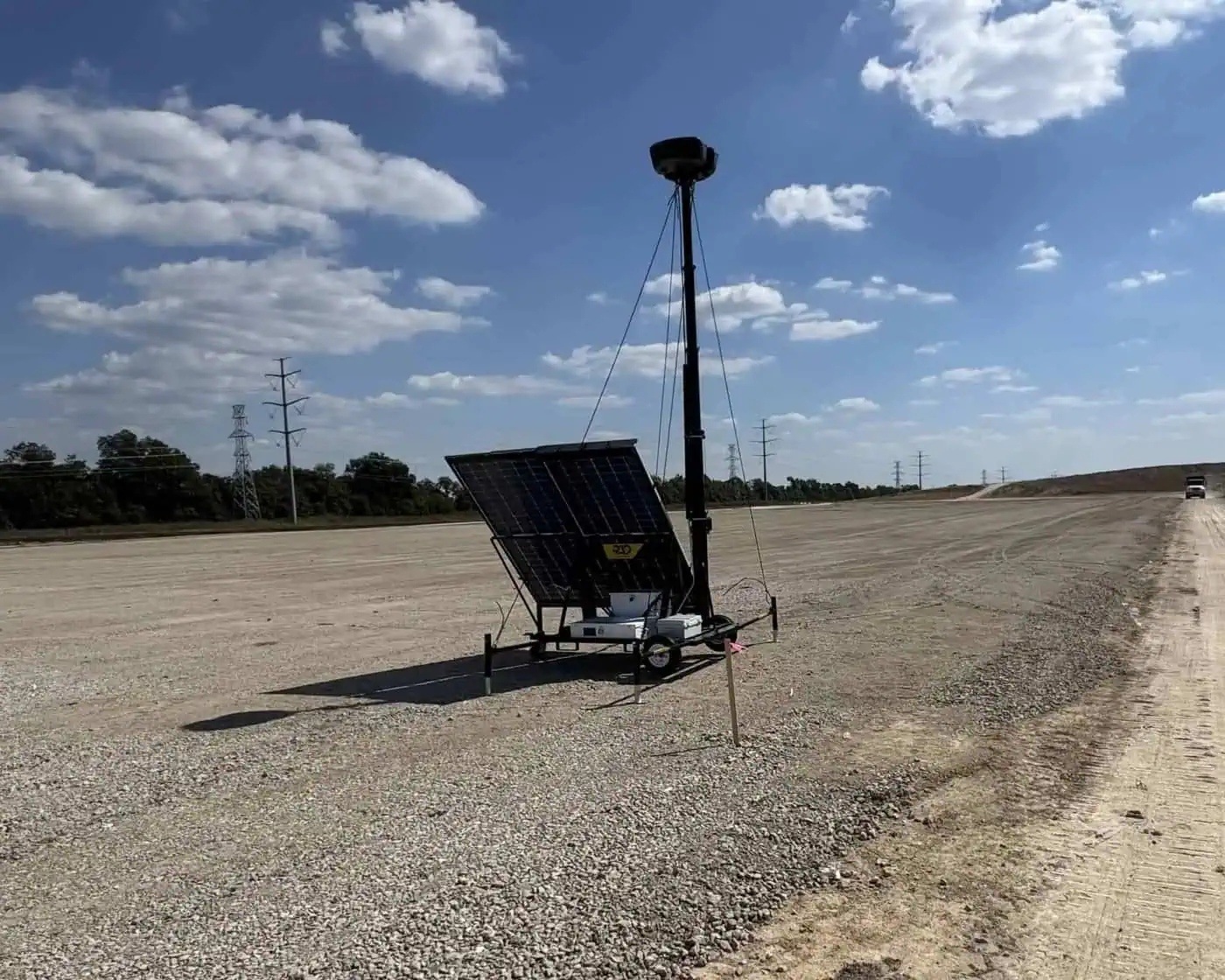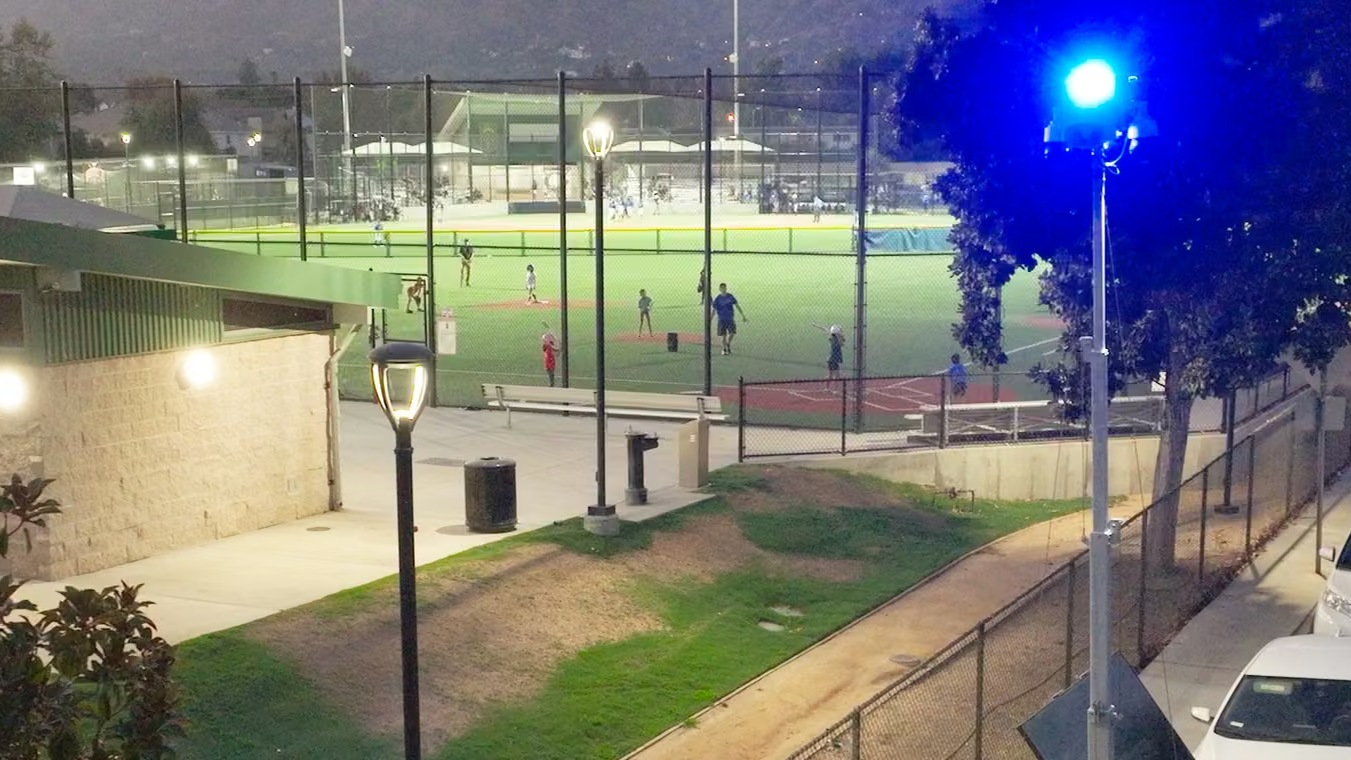
An observation tower can show a vehicle arriving without controlling whether it enters. At a temporary yard or distribution site, that leaves a separate access decision for guards or remote staff. Combining visibility with a barrier creates a more complete workflow, but it also makes mistakes more consequential.
LVT introduced GuardGate on March 10 as a portable access-control product. The company describes video and audio verification, an intercom, remote barrier operation, scheduled opening and closing, and an event log. It sits alongside LVT's mobile-security business; it is a gate product, not a new surveillance tower. Primary source.
Observation and authorization are different tasks
A useful camera view helps a reviewer understand an arrival. It does not by itself establish that the driver or vehicle is authorized. The operating process needs a reliable way to connect the observation to the site's access rules and to resolve exceptions.
That distinction is important when reading automation claims. Automating a schedule or recording a gate movement is different from making every admission decision without human involvement. Buyers should establish exactly which decisions remain with staff.
Evaluating a controlled entrance
For a deployment, a relevant trial would track both legitimate access and rejected or uncertain requests. Waiting time, reviewer workload and the ability to explain a decision matter alongside the number of gate cycles. A lower staffing bill alone would not show that the same service had been maintained.
An event log can support investigations only if the record is complete and understandable. Operators should be able to connect a movement to its time, evidence and decision, while applying appropriate retention and access controls.
Separate the gate’s decisions
The access workflow can be broken into a few distinct questions: whether an arrival is observed, whether the requester can be identified, whether entry is permitted and whether the barrier completes the intended movement. A product may automate some of those steps while leaving others to staff. Making that division explicit would help a buyer compare the proposed service with the existing gate process, rather than assume that the word automated applies equally to every part of the decision.
A representative trial should include uncertainty. An expected visitor may have incomplete information, a delivery may arrive outside its planned window, or the reviewer may need clarification from someone onsite. The appropriate process depends on the facility. What matters for evaluation is whether the exception is visible, routed to an accountable person and recorded consistently. Success on a sequence of prearranged arrivals would not show how the service handles the situations that create most of the review work.
Connect records without overstating them
A gate log and a tower observation can be useful together, but matching their records requires care. Time, location and the identity assigned to an event must be interpretable. An apparent match should not automatically become a verified explanation of what happened. Operators can test whether a reviewer can reconstruct a routine event from the records and identify when information is missing. That provides a concrete way to evaluate the promised investigative usefulness of a connected site workflow.
Changes to staffing also need to be evaluated against the duties that remain. A guard may perform tasks beyond opening a barrier, and those tasks do not disappear when one function is automated. A useful cost comparison would state which responsibilities were removed, reassigned or retained. It would include remote review and exception handling, allowing the customer to understand whether savings came from greater efficiency, a different level of service or a combination of the two.
The long-term test is whether the access process remains understandable as more locations are added. A shared interface may simplify supervision, but each site can have different rules and escalation contacts. Operators need a way to maintain those distinctions without creating an unmanageable collection of special cases. Evidence about configuration changes and exception rates across sites would be more informative than extrapolating a favorable result from one selected location to the entire customer estate.
The wider opportunity is to connect mobile observation with practical site operations rather than treat each device as an isolated purchase. The next useful evidence is a deployment account that separates access reliability, staffing changes and security outcomes, including the exceptions that the automated workflow could not resolve.
Source organization: LiveView Technologies. Source statements are attributed; operational implications and suggested evaluation criteria are editorial analysis.
References
Questions, news tips or corrections? Contact [email protected].