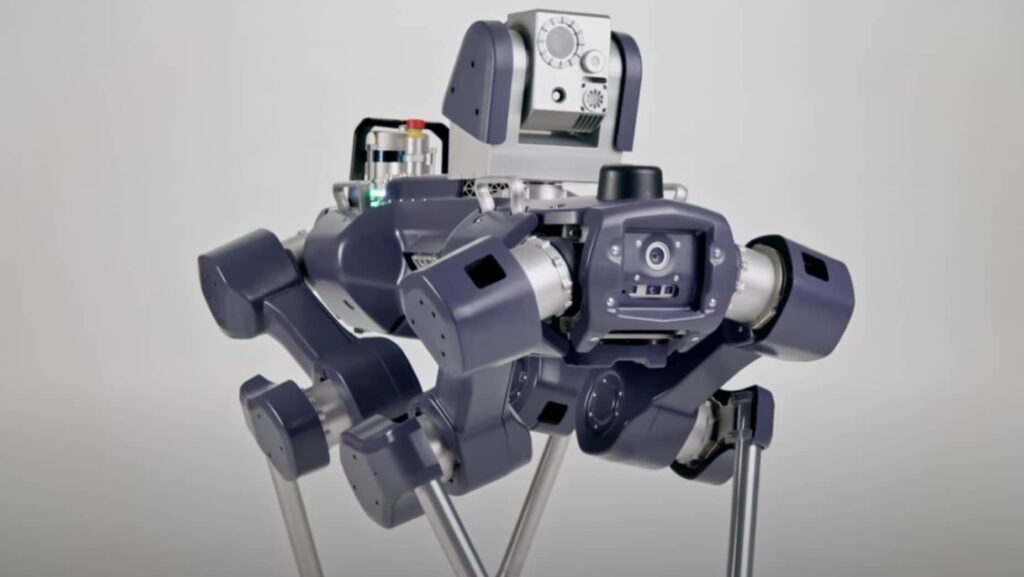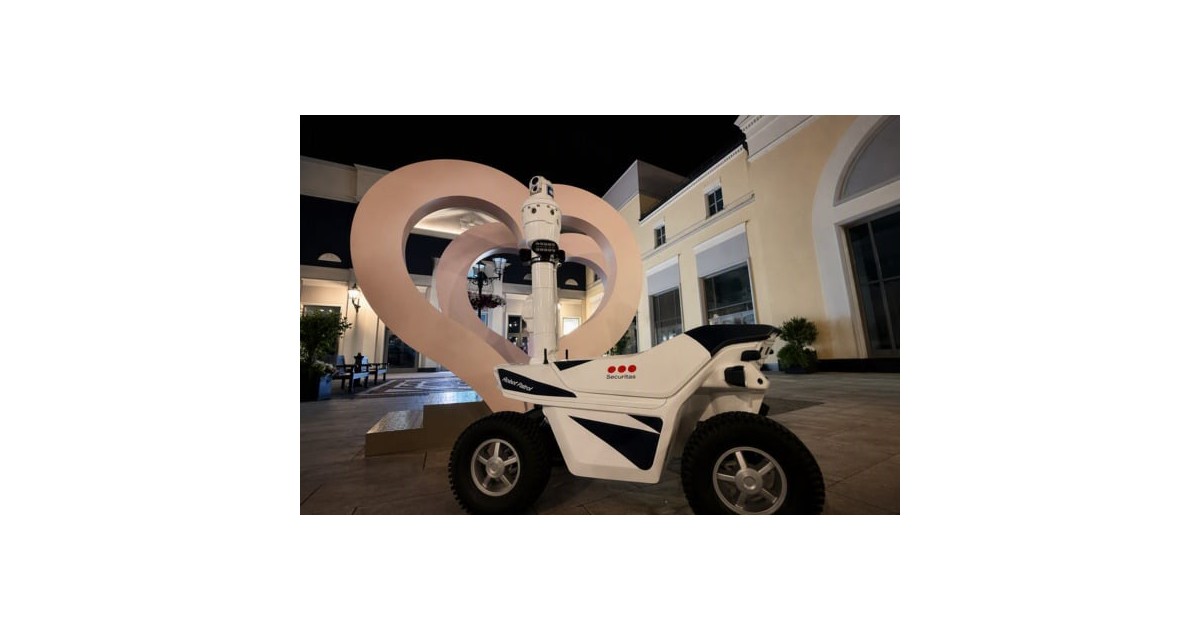
A robot that moves impressively can create an intuitive impression of readiness. Security work requires a different chain of evidence: recognizing a relevant event, communicating uncertainty and handing responsibility to an authorized person. Mechanical ability alone does not establish that chain.
Unitree’s current H2-X product page presents a full-size humanoid with cameras, a dual-battery design and security among its proposed applications. It uses patrol, alert and protection language. This review concerns the page available on October 27; the undated page is not treated as proof of a launch on that day. Read the primary source.
A product scenario is not an acceptance result
A supplier’s application scenario states an intended use. It does not identify a completed customer acceptance test or establish how the system behaves around unexpected members of the public. A useful evaluation needs a defined task and operating setting, rather than a general inference from the robot’s form or a selected presentation image.
Detection and response should remain separately accountable. A camera specification describes an input device, while event classification requires evidence about relevant and irrelevant activity. A visible warning or a physical movement also needs an understandable source of authority. The product description alone cannot answer who makes that decision in a deployed service.
Assess the people around the robot
The surrounding people are part of the operating environment. A receiving organization needs clear behavior when someone approaches, blocks a route or asks for help. It also needs a practical way to stop operation and recover the equipment. These are acceptance questions, not claims that the published page proves or disproves a particular behavior.
Battery handling and maintenance create additional service boundaries. A replaceable battery can support continuity, while the complete duty cycle includes checks, support and time out of operation. A nominal capability should not be translated into uninterrupted security coverage without a measured operational record.
Look for a bounded service demonstration
The difference between a demonstration and a service can be made concrete through the receiving task. A customer might need a mobile observation to reach a reviewer with an identifiable location and time. A promotional scene showing movement does not establish that complete chain. An assessment should therefore define the intended observation, the receiving person and the conditions under which the result is useful. That keeps attention on a bounded application instead of allowing the humanoid shape or a dramatic presentation to stand in for evidence of a completed security function.
The cost comparison would also need a complete account of support. A hardware purchase price, if quoted, would not by itself describe commissioning, supervision, maintenance or the work of handling exceptions. No total cost is established here. A receiving organization could compare a defined service period with its present process while keeping assisted tasks and unavailable time visible. The point is to assess whether a particular application is useful, rather than presume that a general-purpose physical platform will replace every task associated with an existing security role.
Information handling deserves a separate acceptance boundary. The presence of cameras raises questions about which observations are retained, who can review them and how a mistaken association is corrected. A product’s intended application label does not answer those questions for a particular site. A customer would need a documented arrangement consistent with its own responsibilities before treating captured information as an operational record. This analysis does not infer a specific data practice from the promotional page; it identifies evidence that would be needed to assess the proposed service in context.
Broader adoption would require repeatability across ordinary conditions, including interruptions that are absent from a selected demonstration. A useful published account would describe the environment, supervision and accepted task results while making its exclusions clear. That could establish a limited but meaningful application without claiming a universal security capability. Until such evidence is available, the strongest defensible statement concerns the supplier’s stated positioning and the hardware presented on the current page. Even the page’s availability should remain separate from an unverified launch date or an assumption about customer deployment.
The near-term relevance is a new product proposition for teams evaluating humanoid applications. The broader possibility is more flexible physical presence in environments designed for people. That possibility remains conditional on safe, legible interaction and a documented response workflow, rather than the persuasive effect of human-shaped motion.
The next evidence should be a bounded customer or test-site demonstration with failures, supervision and task outcomes reported. Until then, H2-X’s hardware and intended security positioning can be described accurately while leaving deployment effectiveness unclaimed.
Questions, news tips or corrections? Contact [email protected].