A night patrol is valuable when an observation leads to an appropriate response, not merely when a robot completes a route. A large retail site can require repeated checks while still needing people to interpret an event, communicate with those present and intervene. The service is therefore the combination of mobile observation, review and a response arrangement that works when the site is quiet.
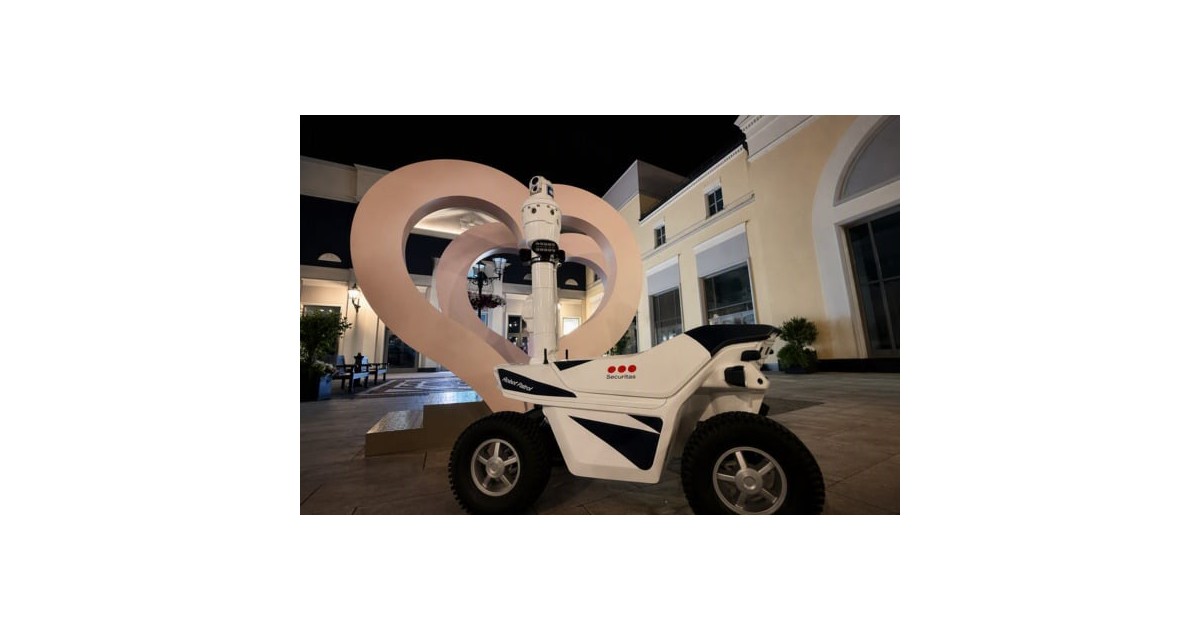
Securitas’ October 22 case study describes an unnamed German outlet center using a hybrid model of on-site personnel, an autonomous patrol robot and centralized monitoring. The company says the robot follows predefined routes at night and sends alerts to its Security Operations Center. Operators review the video and data, with mobile patrols available for intervention. This is a supplier account of an implemented model, not an independently published evaluation with a named site and complete performance dataset. Read the primary source account.
The patrol and the response have different jobs
The account preserves an important boundary: the robot detects irregularities against predefined criteria, while trained people verify alerts and decide on the response. A patrol route can bring a camera to an area without determining everything about the situation. Keeping that distinction visible helps explain why a mobile patrol service remains part of the model. An autonomous journey does not imply autonomous authority over every event encountered along it.
An illustrative night check could find a gate in an unexpected state. The relevant observation needs a location, time and useful view, while the reviewer needs the site context to determine whether the condition is expected. This is a proposed example, not an incident disclosed by Securitas. It shows how routine movement can support a decision without replacing the knowledge and responsibility held by the security team.
The response stage also needs a practical service arrangement. A verified alert may require a local person, and that person’s travel and availability can determine the overall outcome. The source says mobile patrols can be dispatched but does not publish a guaranteed arrival time or the staffing needed for every shift. The article therefore does not convert the presence of remote monitoring into a claim of immediate physical intervention.
Evaluate the complete night shift
Securitas reports more consistent coverage, faster verification and response, improved visibility and reduced annual costs. The public page does not provide the underlying figures, observation period or comparison method needed to independently quantify those outcomes. Those statements remain attributed benefits. A later case account would be more informative if it separates route completion, alert handling, interventions and the total work performed by on-site, remote and mobile personnel.
A useful coverage measure would identify the checks the site intended to perform and which were actually completed. Distance traveled alone can hide missed checks, while a route-completion rate can hide an observation that was unusable. The assessment should connect movement to the security task. These are proposed measures, not a reconstruction of the client’s internal reporting. The source does not publish enough detail to calculate them.
The staffing comparison should also use the whole arrangement. Moving routine patrol work from a local shift to a robot and remote center can change cost and exposure, but the remote and mobile work remains part of the service. A meaningful comparison would include supervision, exception handling, maintenance and visits. The case can demonstrate an integrated model without establishing that an equivalent proportion of human work has disappeared.
The site’s anonymity places a limit on external verification. Readers cannot match the account to a publicly identified contract or ask whether the same result holds across other properties. That does not make the described workflow implausible; it defines the evidence available. The appropriate next step is a more detailed, permissioned case or an independent assessment with the site conditions and outcome measures preserved.
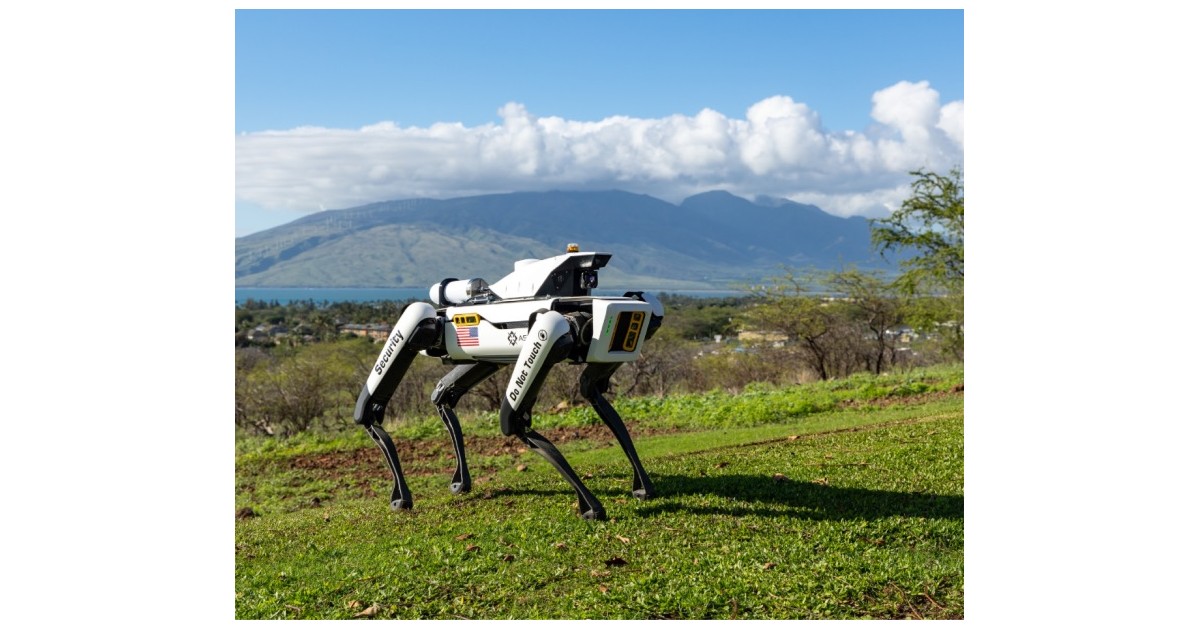
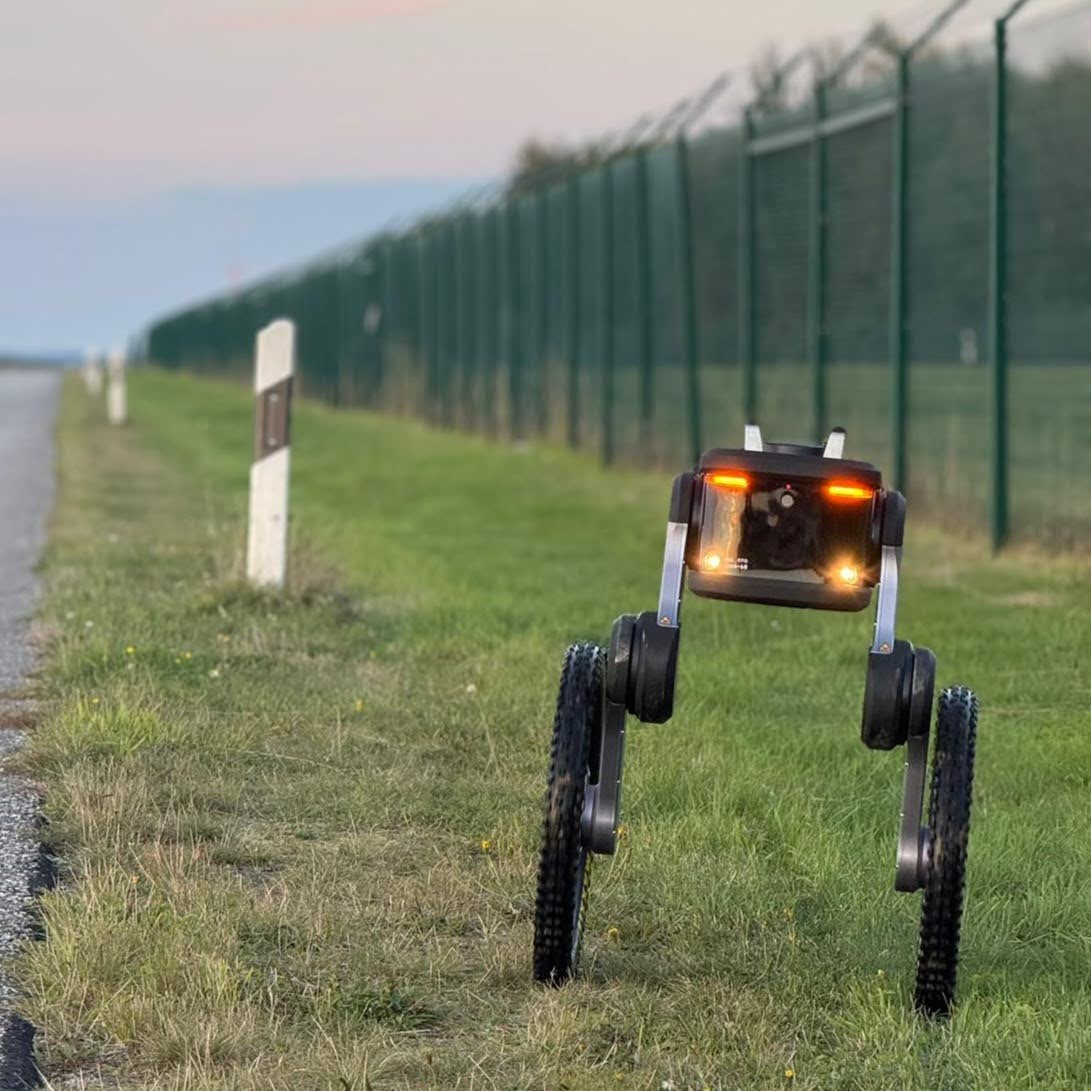
The source does not name the robot manufacturer. This article therefore attributes the operating model to Securitas without assigning the pictured platform to an unverified supplier or treating its appearance as a technical specification.
The practical significance is an operating model in which automated patrol, human verification and physical response remain connected. The next evidence should show how consistently that model performs, including unavailable periods and incorrect alerts. If those results support the supplier’s account, robotic night patrol can become a service a customer can evaluate as a whole, rather than a machine judged only by whether it can move around the property.
References
Questions, news tips or corrections? Contact [email protected].