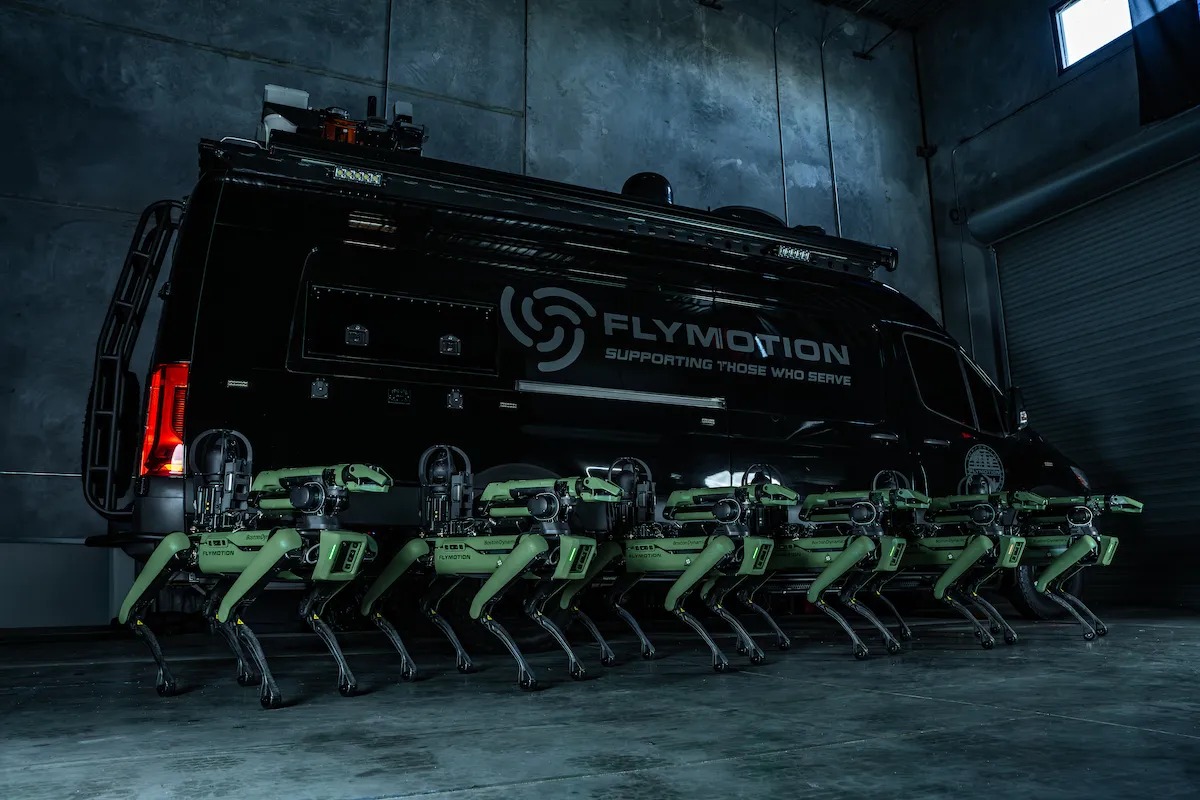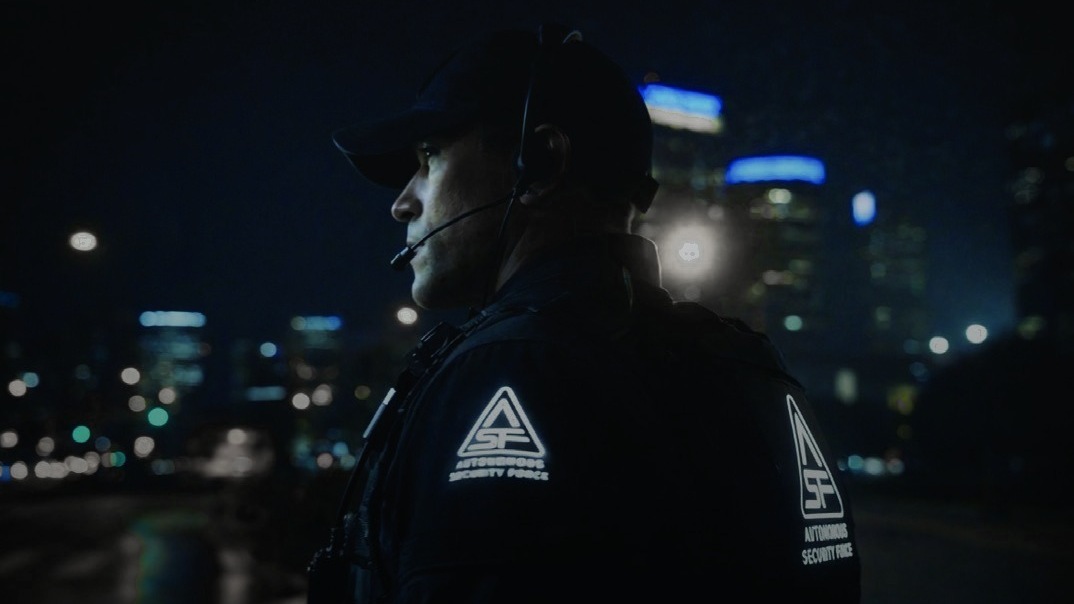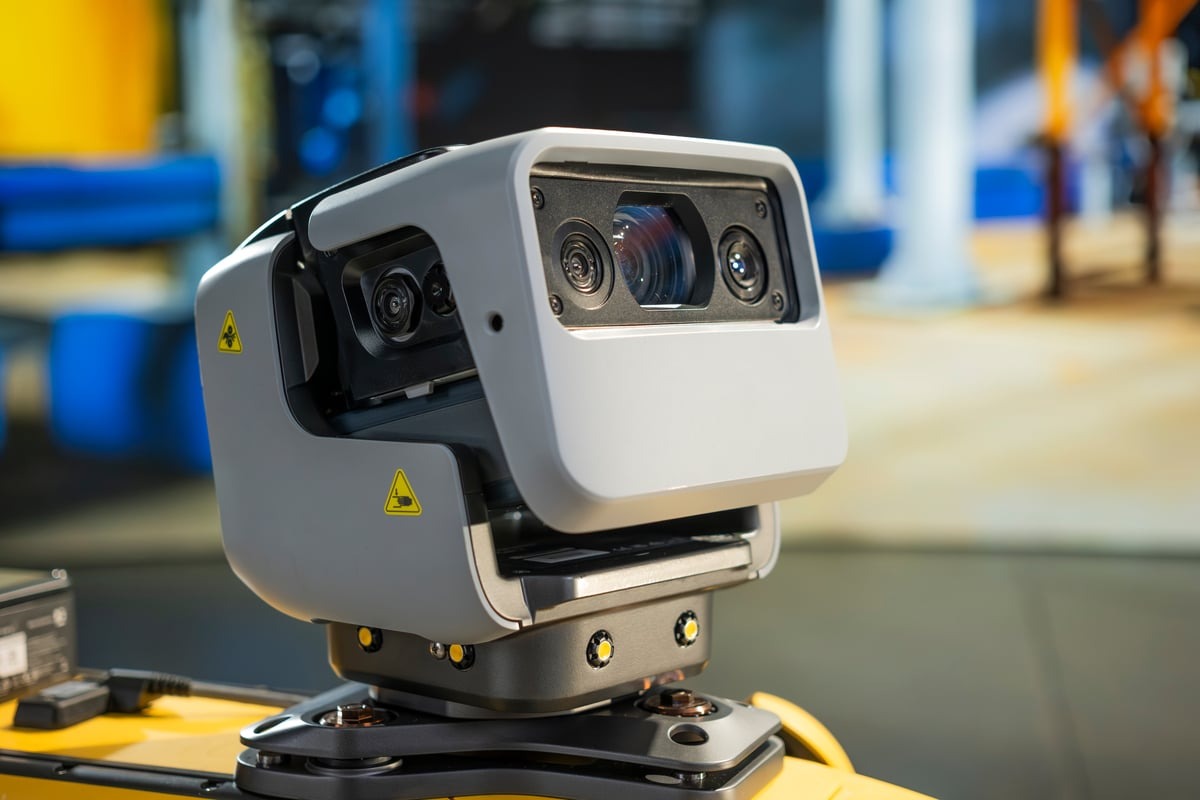
A mobile patrol robot can see places that a fixed camera cannot. That advantage matters only if the observation is useful and reaches somebody who can respond. A robot completing its route while an important alert remains unread is not a completed security service.
Boston Dynamics describes a security-patrol workflow in its facilities-inspection release: Spot can detect a person, pause, use lights and audio, collect camera and thermal observations, send an alert and continue its mission. The same release discusses inspection hardware and building access. These are vendor-described capabilities, not an independent account of security outcomes. Primary source.
An alert changes the patrol
Stopping to examine an event trades route progress for additional information. That may be the right choice, but operators need to understand the consequence. Frequent interruptions could leave another area unobserved, while overly aggressive filtering could suppress a useful alert.
An evaluation should therefore examine the patrol as a sequence rather than count detections in isolation. Was the observation correctly located? Did a reviewer receive enough context? How long did the interruption last, and what happened to the rest of the route?
The building is part of the system. Doors, access controls, docking and communications can determine whether a planned route is actually repeatable. A demonstration in one building does not resolve those dependencies for another.
Measuring the whole service
The immediate deployment task is to define who receives an alert and how it is closed. Reviewers should be able to distinguish an acknowledged event from an unresolved one, and a false alarm from a legitimate observation that required no intervention.
Build a representative patrol trial
A useful trial should include ordinary authorized activity, rather than evaluate the robot only in an empty building. Cleaning staff, deliveries and employees working outside normal hours can all create legitimate observations. The question is how the service distinguishes events needing review from routine activity under the site's own rules. The trial should preserve the reasons for those decisions, allowing an operator to identify confusing situations without implying that a person detected by the robot is necessarily suspicious.
Coverage should be measured across the route and over time. An apparently high detection rate at one convenient point could coexist with long gaps elsewhere. A trial could record the time since each area was last observed, the reasons for skipped segments and the consequences of stopping to collect more context. This would help distinguish a robot that repeatedly produces good images from a patrol service that provides the coverage its operators intended to purchase.
Access and exceptions are part of the mission
Building access deserves its own acceptance criteria. An authorized route may still be interrupted by an unexpectedly closed door, a temporarily obstructed corridor or another activity in the space. The important test is not whether a robot can pass one selected doorway. It is whether the service can recognize the interruption, make its status clear and invoke the appropriate recovery process without silently treating an unvisited area as inspected.
The response team should also participate in evaluation. Reviewers need enough information to understand where the event occurred and what the robot actually observed. If they must repeatedly seek another camera view or call someone onsite, that additional work belongs in the assessment. A notification may be technically delivered while remaining operationally inadequate. Measuring clarification requests and time to a documented decision can expose that difference more directly than counting alerts sent.
Privacy and record access can be specified as part of the service design. Operators can decide which observations need retention, who may review them and how a mistaken interpretation is corrected. These choices should match the stated purpose of the patrol and the applicable site requirements. Keeping observation, interpretation and response distinct makes it easier to audit a contested event and to improve the workflow without presenting every recorded person as a security finding.
Over time, mobile inspection and patrol could share infrastructure and reduce duplicated visits. That possibility depends on the robot producing dependable observations without overloading the people supervising it. The most useful next evidence is route coverage and response workload measured together, including interruptions, missed observations and recovery from access failures.
Source organization: Boston Dynamics. Source statements are attributed; operational implications and suggested evaluation criteria are editorial analysis.
References
Questions, news tips or corrections? Contact [email protected].