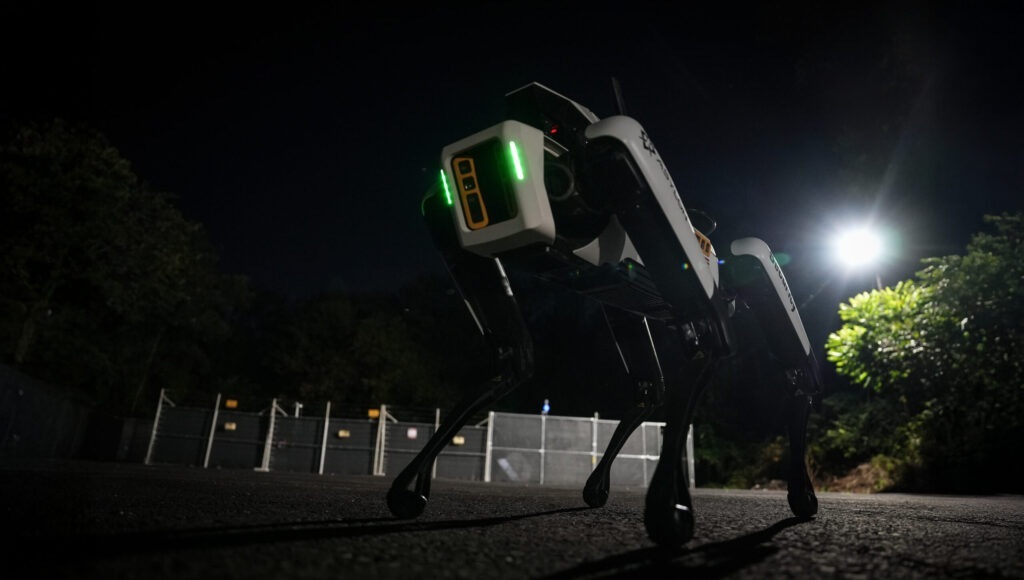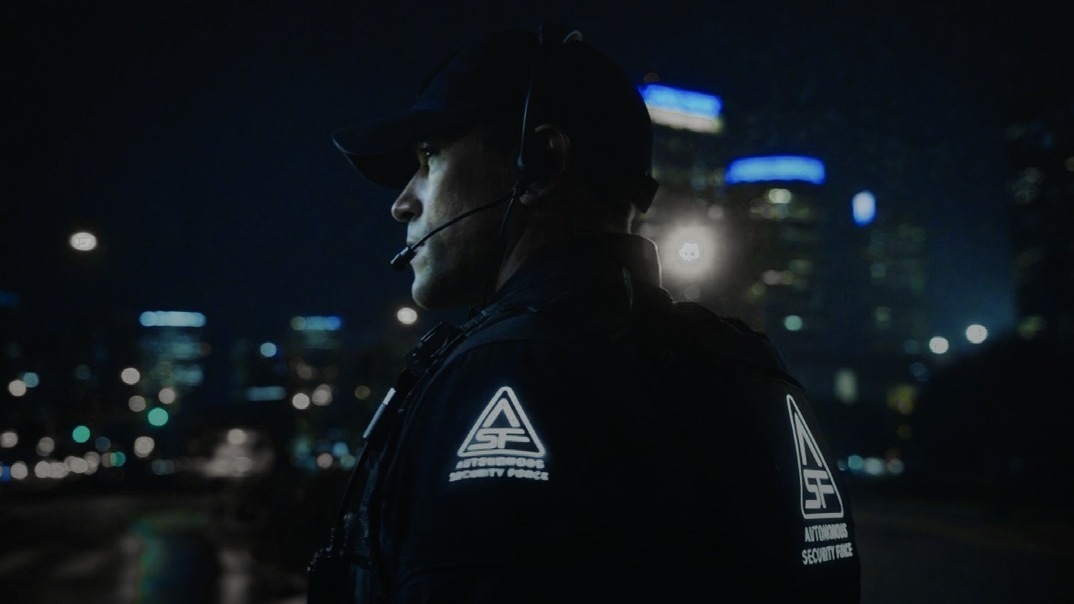
A security robot cannot complete the response to every event it observes. Someone may need to verify a situation, assist a person, investigate a fault or decide that no intervention is justified. When the robot supplier, monitoring provider and on-site team are separate organizations, responsibility can become least clear at the moment it matters most. This is the service-design problem behind the latest effort to combine autonomous patrol with licensed human response.
The issue is not whether robots should replace people. It is whether a buyer can identify who owns the handoff from machine observation to a consequential decision. A system can generate excellent video while leaving that question unanswered. Bringing suppliers under one corporate structure changes the possible answer, but does not automatically make the handoff work.
What the transaction changes
Knightscope announced its acquisition of Event Risk on March 3; its SEC filing records completion on February 27, 2026. The acquired business provides licensed security and executive-protection services. Knightscope’s stated rationale is to combine autonomous machines, software and physical response within a managed service. Primary source.
The transaction is an established corporate event. The efficiency and security improvements sought from integration are prospective outcomes. That distinction matters because a completed acquisition can create capacity to offer a new service before it creates evidence that the service performs better.
The contribution is organizational
A conventional product comparison might focus on sensor range or navigation. Here the more important change is who is able to commit personnel when a robot or remote analyst identifies an event. A supplier that owns the response layer may be able to accept broader contractual obligations and participate in engagements requiring licensed staffing.
This can simplify the buyer’s coordination problem. It may reduce the need to negotiate separately with several organizations whenever escalation rules change. But fewer contracts do not necessarily mean fewer operational boundaries. People still work in distinct roles, with different access, training and authority. Those boundaries need to remain legible even when the invoice comes from one company.
The key mechanism is therefore a shared operating model: a reliable way to associate an observation, a verification decision, a request for assistance and an eventual disposition. A corporate chart cannot substitute for that model. Integration should make it easier to answer what happened and who decided, rather than make those decisions less visible behind a single supplier.
What has not been proved
The acquisition announcement is not a comparative evaluation of response times, false alarms or public impact. Nor does it establish that every existing client receives a fully integrated service. Corporate integration can require changes to staffing, systems, training and contracts that continue after closing.
Knightscope’s own subsequent SEC disclosures identify the risk that the transaction may not achieve its intended benefits. That is consistent with treating the strategy as a testable proposition. Buyers should distinguish the acquired ability to provide personnel from measured evidence about how those personnel and autonomous machines perform together.
What an operator can ask now
The immediate opportunity is to request a service specification that covers the complete workflow. That includes responsibility for reviewing a robot’s observation, the conditions for contacting on-site staff and the records produced when an incident ends. An organization can also ask how a missed handoff is identified and corrected without relying on a vendor’s success stories.
Pricing needs the same discipline. Consolidated procurement may reduce administration while changing the balance of labor, software and hardware costs. A useful comparison examines the security function delivered, not a hypothetical robot-versus-person hourly rate that ignores verification and response.
The people affected by the service also need a clear path to raise concerns. Workers and visitors should not have to discover which subcontractor controlled which sensor or decision. Single-provider accountability becomes meaningful when the provider can explain and correct the entire process, including decisions that did not produce an obvious incident.
A different model for robotic security
If the integration works, robotic patrol may be purchased increasingly as a component of an accountable service rather than a machine added to someone else’s workflow. That could change what vendors compete on: completed handoffs, reliability and documented outcomes alongside hardware features.
It could also concentrate dependency on one provider. The ability to export records, change operating rules and transition a site to another service would remain important. Integration should reduce coordination burden without making oversight dependent on accepting a supplier’s own assessment.
Watch for client-level reporting that distinguishes integration completed from benefits achieved. The decisive evidence will show whether combining companies makes real events easier to handle, audit and learn from. Until then, the acquisition is a credible structural change with an operational case still to prove.
Primary source: Knightscope official reporting.
References
Questions, news tips or corrections? Contact [email protected].