Buying a legged robot is only one part of fielding a useful remote system. Operators also need controls they can use, communications that reach the work area and a support process for recovering from faults. The surrounding equipment can determine whether the robot is available when needed.
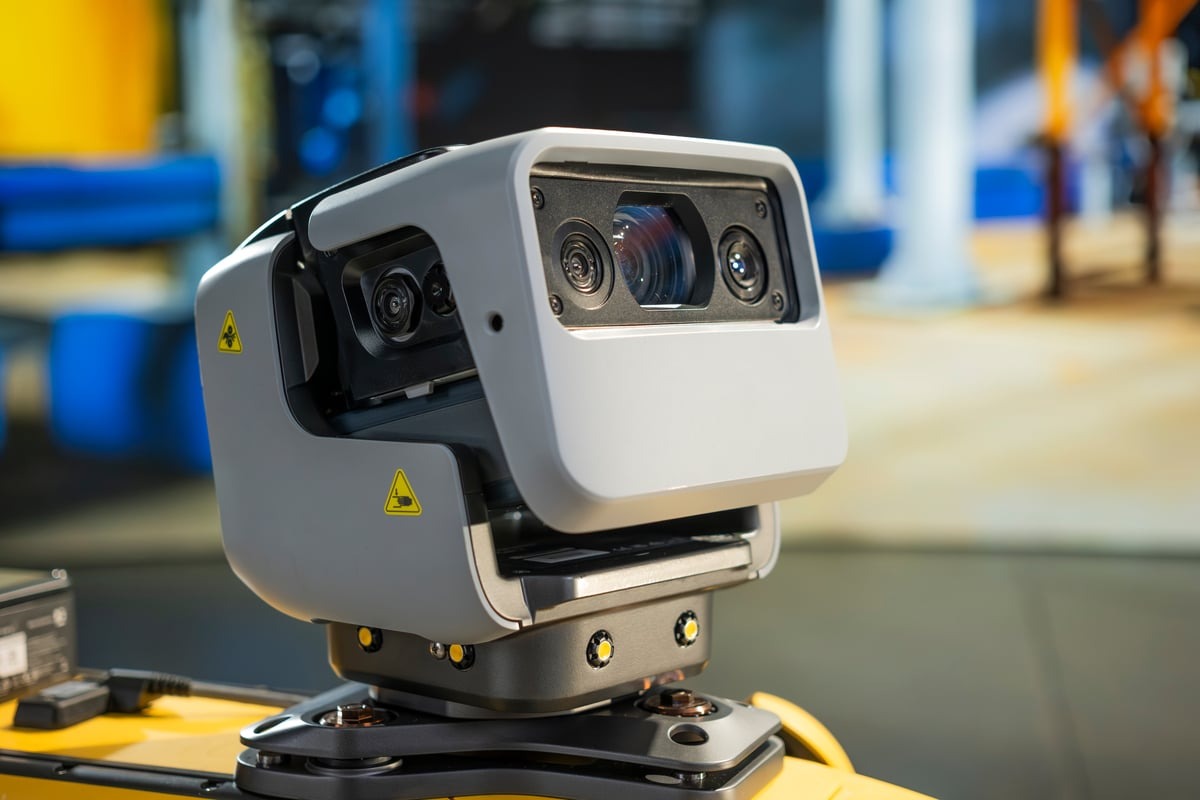
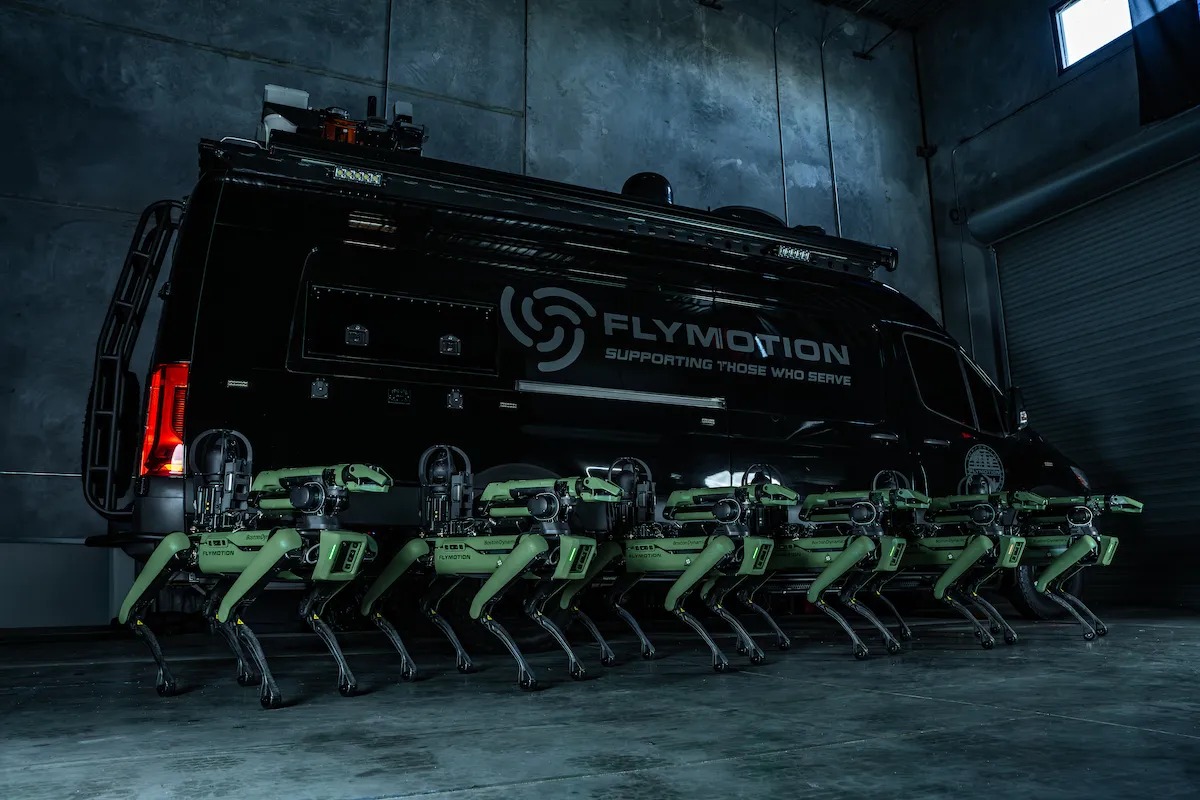
FLYMOTION reported on April 29 that it delivered six integrated quadruped systems to an unnamed federal agency. The package includes its RIDGEBACK 2 control equipment and a Radio Deployment Kit. The company describes a broader operational package rather than the sale of six standalone robots. Primary source.
Delivery is a specific milestone
The announcement supports a delivery claim. It does not identify the customer, report an independent operational evaluation or establish that all intended tasks have been performed autonomously. Those distinctions matter when assessing how far a procurement has progressed.
Communications deserve particular attention in a ground-robot deployment. A site can contain obstructions and changing conditions that make a nominal radio specification a poor guide to the actual operator experience. Control continuity and recovery procedures should be assessed in the intended environment.
Testing the package, not just the platform
A practical acceptance review would examine how quickly trained personnel can prepare the system, understand its status and recover it after a fault. It should also record how often a task requires intervention and whether the operator can recognize incomplete or degraded observations.
Those measures are different from the robot's ability to traverse a demonstration course. A capable platform can still be difficult to sustain if batteries, communications equipment, software versions and training are managed separately.
Acceptance should reflect ordinary use
A delivery assessment could begin with the personnel expected to operate the package, rather than only the specialists who assembled it. Their ability to prepare the equipment, recognize a configuration problem and explain the system's status would reveal whether the integration is usable. A polished supplier demonstration can establish that a task is possible. It does not establish how consistently the receiving organization can perform the same work with its own training, staffing and support arrangements.
Supportability should be examined at the package level. Batteries, chargers, controllers and communications equipment each introduce preparation and maintenance tasks. If those tasks are omitted from the deployment plan, nominally available robots may not produce an available service. A buyer can ask for an inventory of recurring responsibilities and a clear distinction between customer work and supplier support, then evaluate whether the planned staffing is sufficient to carry out those responsibilities consistently.
Preserve the configuration behind the result
An acceptance record should identify the hardware and software configuration that was tested. That gives later operators a reference when equipment is replaced or updated. Without it, a successful test can become an ambiguous story about a product name rather than evidence about the actual system in service. Version and configuration control are particularly useful when a package combines components from different organizations with their own release schedules and support arrangements.
Communications testing should distinguish loss of control, loss of a camera view and loss of other information. Those interruptions can have different consequences for a task and may require different responses. A useful report would explain which service remained available and what personnel had to do next. This is a high-level acceptance question, not a prescription for a tactical deployment. Its purpose is to avoid treating a generic connection indicator as a complete account of operational availability.
The procurement's wider significance will become clearer through sustained use. Evidence about recurring maintenance, training refreshers and support requests could show whether integration reduced the burden on the receiving organization. It could also reveal tasks that remained too difficult or costly to perform regularly. Reporting those limits alongside successful use would help future buyers distinguish the value of a complete operational package from the attraction of the robot platform itself.
The broader implication is that integration and support are becoming visible parts of the ground-robot product. Buyers can compare a complete service more meaningfully when suppliers document the boundary between delivered equipment, enabled capabilities and demonstrated use. The next evidence to watch is an operational account from the customer or a representative acceptance exercise, with the human workload included.
Source organization: FLYMOTION. Source statements are attributed; operational implications and suggested evaluation criteria are editorial analysis.
References
Questions, news tips or corrections? Contact [email protected].