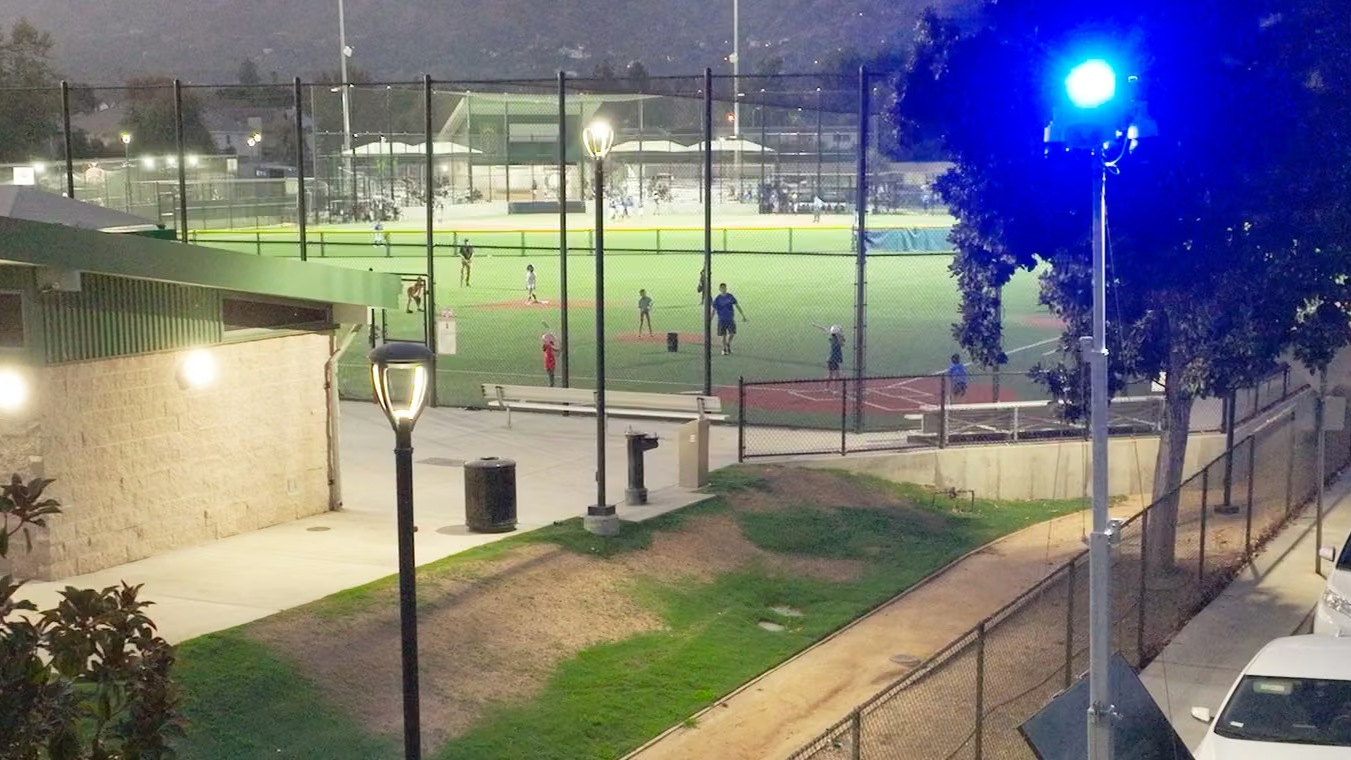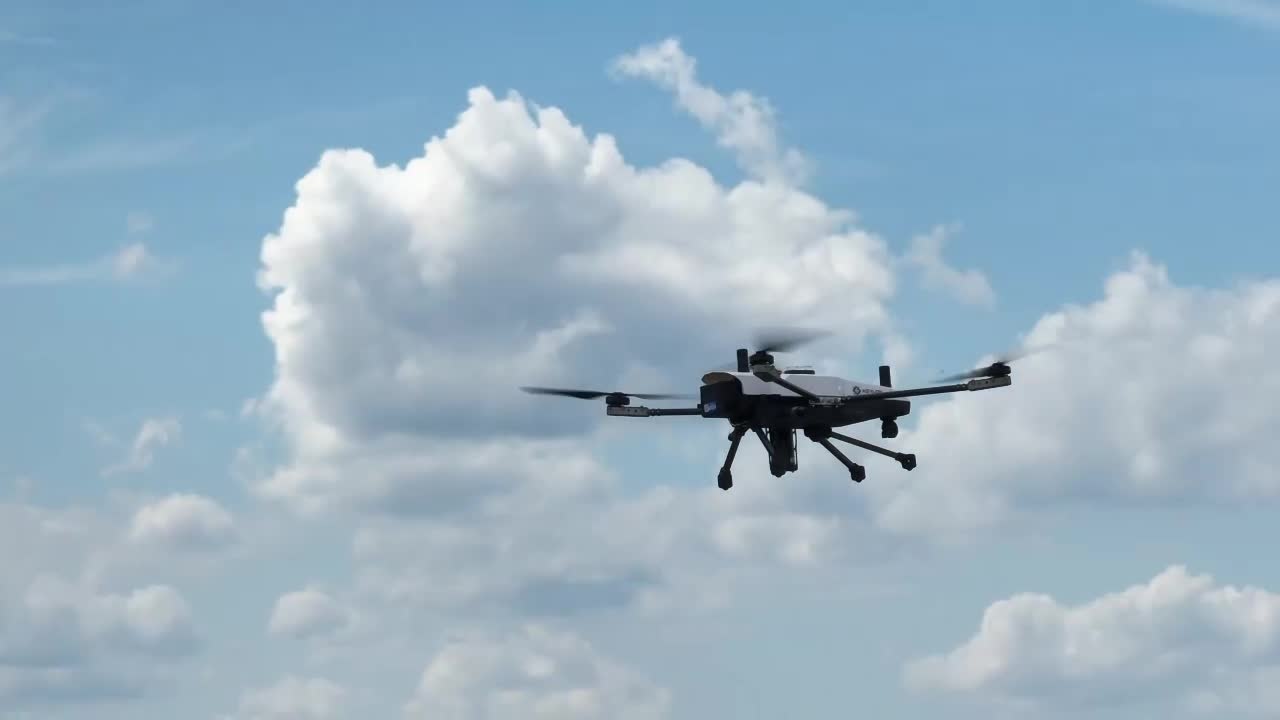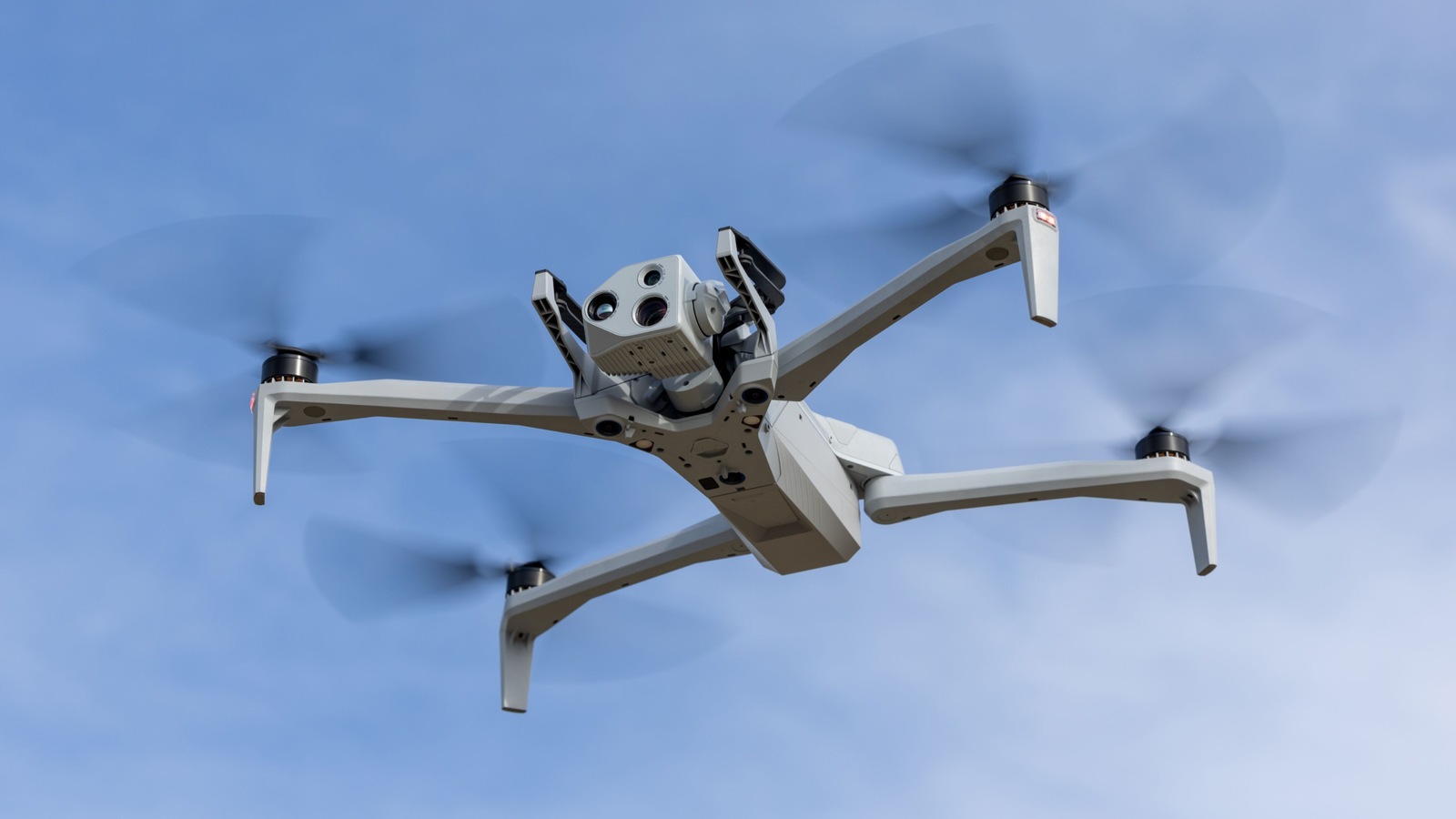
A major public event does not create one drone mission. It creates a changing set of demands across venues, transport, medical response and the ordinary calls that continue elsewhere. The challenge is sustaining a useful service while people, networks and equipment are already under pressure. An aircraft that performs well in a single demonstration may still be only a small part of that service.
For event organizers and residents, this makes resilience more important than spectacle. A drone can provide an earlier view, but only when it is available, connected to the right team and used for an appropriate purpose. The public benefit depends on how the operation behaves during interruptions and overlapping demands as much as during its successful flights.
What Skydio reported
In its August 13 account, Skydio said it supported 17 public-safety agencies across 12 World Cup host cities. Sixteen of those agencies logged more than 10,000 flights and 2,500 flight hours during the tournament, with an approximately even division between dock-based and hand-flown operations. These are company-reported aggregate figures, not an independent evaluation of the service. Primary source.
The account describes preparation, communications planning, integration and field support alongside aircraft use. Its main contribution is documenting a mixed operating model rather than presenting a dock as a universal solution for every event location.
Why the mixed model matters
A dock gives an aircraft a known place to start and return. That can support repeatable availability around a particular area. A controller-based aircraft can be repositioned as demands change. The approaches solve different parts of the coverage problem, so the relevant comparison is how they work together under real demand.
A fleet can have impressive range while still lacking an available aircraft when two incidents coincide. It can also have enough aircraft while lacking staff to supervise or interpret their output. Reliability is therefore a property of the whole operation: machines, people, communications and decision rules. A headline flight total does not reveal which part constrained the service.
Communications deserve special attention because sharing an aerial view is part of the purpose of the flight. A usable link to the operator does not necessarily mean every intended recipient receives timely information. The test is whether the observation reaches somebody able to use it, with enough context to avoid misinterpretation.
Activity is evidence, but not the whole answer
Thousands of flights demonstrate that the systems were used at meaningful scale in the reported operation. They do not establish the proportion of requested missions completed, how often a flight was declined or how many interruptions occurred. Aggregate hours likewise cannot show whether the right resource was available at the most important moment.
The vendor account does not publish a complete comparative reliability dataset or an independent assessment of public impact. Individual successful incidents can illustrate a workflow without proving how frequently that outcome occurred. Readers should treat the report as operational evidence supplied by a participant, with useful detail and identifiable limits.
The immediate planning implication
An agency preparing for a large event can use this account to broaden its readiness questions. It can ask about staffing through shift changes, replacement equipment, communications under crowd demand and coordination with neighboring agencies. These are service requirements that remain relevant regardless of which aircraft is selected.
The evaluation should include missions that do not happen. A cancelled flight may reflect good judgment under unsuitable conditions, while an unrecorded cancellation can hide a gap in service. Reporting both successful and declined requests would make an availability claim more meaningful. The same principle applies when measuring whether aerial information changed a response decision.
Public governance must scale with the operation too. A multi-venue event can create a temptation to treat all observation as one broad authorization. Clear purposes, access rules and retention decisions are necessary to keep an expanding service proportionate to its tasks. Better connectivity should not make the reason for each use harder to explain.
From event success to ordinary capability
If the preparation and support described here can be made repeatable, major events could accelerate more dependable everyday drone services. The transferable asset would be a tested operating model, not just additional aircraft left after the event. That prospect depends on whether agencies can sustain the staffing, maintenance and governance after concentrated vendor support ends.
Watch for reporting that gives requested missions, completed missions, interruptions and workload alongside flight totals. That would show whether scale is becoming reliable service rather than accumulated activity. The bigger picture is a public-safety resource that remains useful under pressure, and the evidence should follow that resource all the way from demand to a documented outcome.
Primary source: Skydio official reporting.
Questions, news tips or corrections? Contact [email protected].