A drone operator works through an interface while managing changing light, interruptions and the needs of other responders. Improving that interface can matter even when the aircraft’s flight capability is unchanged.
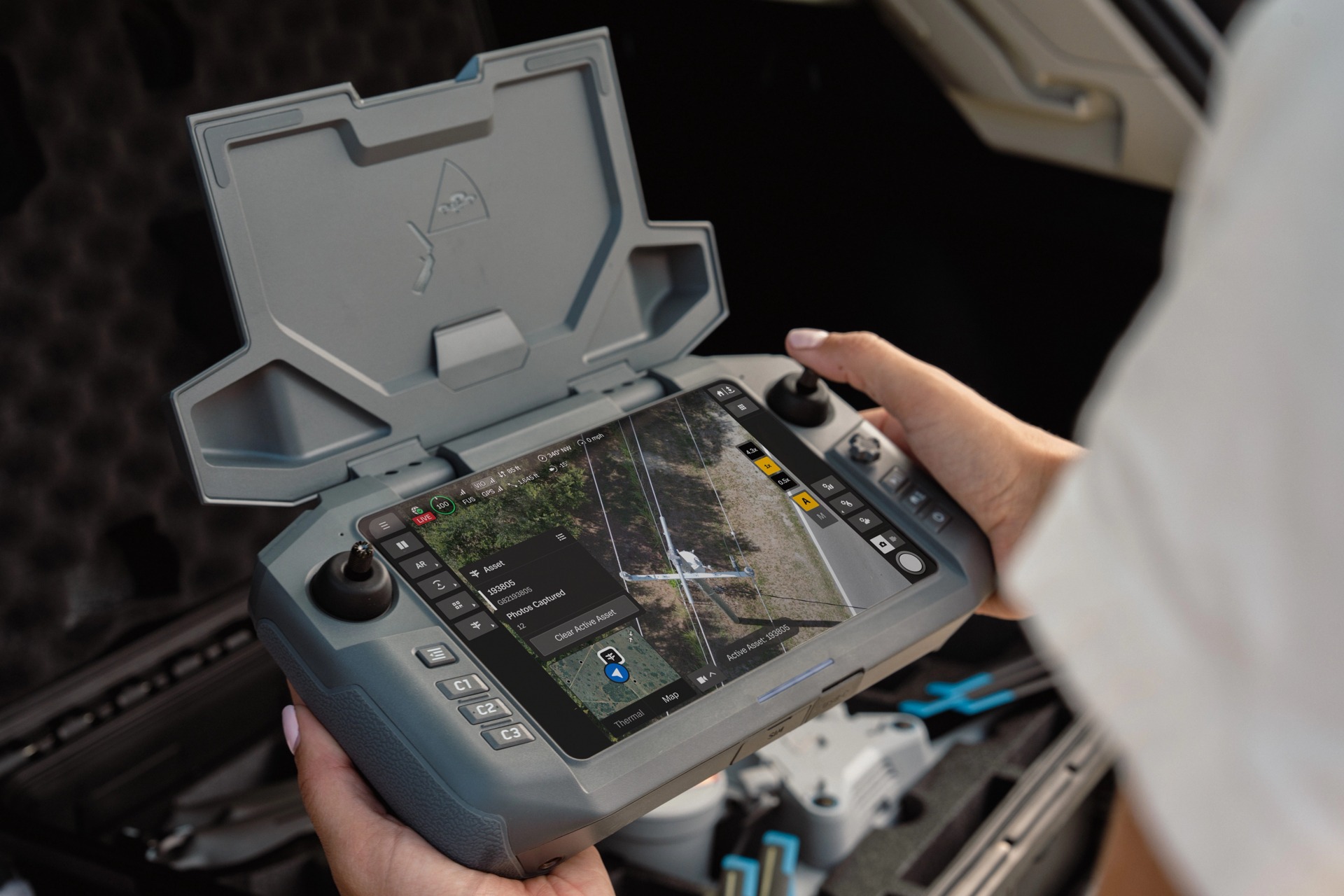
Skydio’s October 27 Controller 2 account describes a seven-inch sunlight-readable display, customizable physical controls, screen sharing and a swappable 5G SIM. The controller supports X10, X10D and R10, ships with new purchases and can be ordered for compatible existing aircraft. These are product specifications and availability statements, not comparative evidence of fewer operator errors.
Test the task, not just the screen
A larger display creates room for information, but information still competes for attention. A useful field trial should check whether the operator can identify the relevant state and reach an important control while dealing with realistic interruptions.
Sharing the view with another person may support coordination. It also requires clear responsibility: the person observing a mirrored screen should know who can command the aircraft and whether the information is current.
Connectivity remains a site dependency
A choice of cellular carrier can help fit a deployment to its environment. It does not guarantee coverage, capacity or continuity during a busy incident. Those properties need testing along the intended operating pattern.
The immediate change is an updated control surface for an existing aircraft family. Its operational value will depend on whether teams can use it more consistently during real work, with training, network conditions and handoffs included in the comparison.
Original source and reported conditions.
What a field comparison should preserve
A fair comparison of controllers should preserve the task, the aircraft and the conditions in which the operator works. Otherwise, a better result may come from greater familiarity or an easier scenario rather than the new interface. This matters because the product changes several things at once: screen area, physical interaction and connectivity options. A useful evaluation can examine those changes separately before deciding whether the combined device improves the team’s work.
One illustrative task would ask an operator to recognize a relevant status change while another team member requests information. The evaluation should record whether the operator noticed the change, understood it and selected the intended action. The time to tap a control is only one part of the result. An interface can be fast to operate while still leaving the user uncertain about what the system will do next.
Shared video does not transfer command responsibility
Screen sharing gives colleagues a better view of the observation, but it can also create assumptions about who is supervising. A person watching a mirrored image may not see every control state or warning available to the pilot. Training should distinguish viewing, advising and controlling. That distinction is especially important when teams move between aircraft or between local and remotely coordinated work.
The network choice also belongs in the acceptance record. A change of carrier may improve one location without improving another, and a strong signal indicator does not describe every aspect of the connection. Teams should retain the conditions under which they assessed the controller rather than presenting one favorable demonstration as a general guarantee. This is a deployment question, not evidence of a particular fault in the product.
The useful outcome is a more dependable interaction
The hardware release matters because it addresses the point where a person interprets and directs a partially automated system. Its value cannot be reduced to screen size or battery life. A better interaction would make the relevant state easier to recognize, reduce ambiguity about the next action and support a clear handoff between people. Those are measurable outcomes that a field trial can examine.
A deployment review should therefore retain ordinary successes as well as errors and near misses. If a user repeatedly overlooks the same indication, that may suggest a training or interface issue worth resolving before wider rollout. The product specifications establish what is offered; the local evidence establishes how well it serves the team. Keeping both records makes later upgrades easier to assess without starting from marketing claims again.
A final check is whether a trained user can explain the interface state to a colleague without relying on undocumented habits. That can reveal labels, alerts or transitions that are clear to an experienced demonstrator but ambiguous to a wider team. The goal is not to remove expertise from drone operations. It is to make the information that supports expertise visible and consistent. If Controller 2 improves that explanation as well as the physical interaction, its value would extend beyond convenience to more dependable coordination during real work.
References
Questions, news tips or corrections? Contact [email protected].