The slowest part of a drone response can happen before the aircraft moves. Someone must turn an incomplete report into a location, decide whether aerial observation is justified, find an available aircraft and give its operator enough context to respond safely. A faster drone does not automatically shorten those handoffs. For a public-safety agency, dispatch integration therefore changes the question from how quickly a machine can fly to how reliably the organization can make use of it.
This matters to callers as well as operators. An incorrect location can waste the advantage of an early launch. A misunderstood incident can put a camera over people with no useful purpose. The value of autonomy depends partly on the quality of the decision that starts it, and on whether that decision remains visible in the later record.
What the new figure establishes
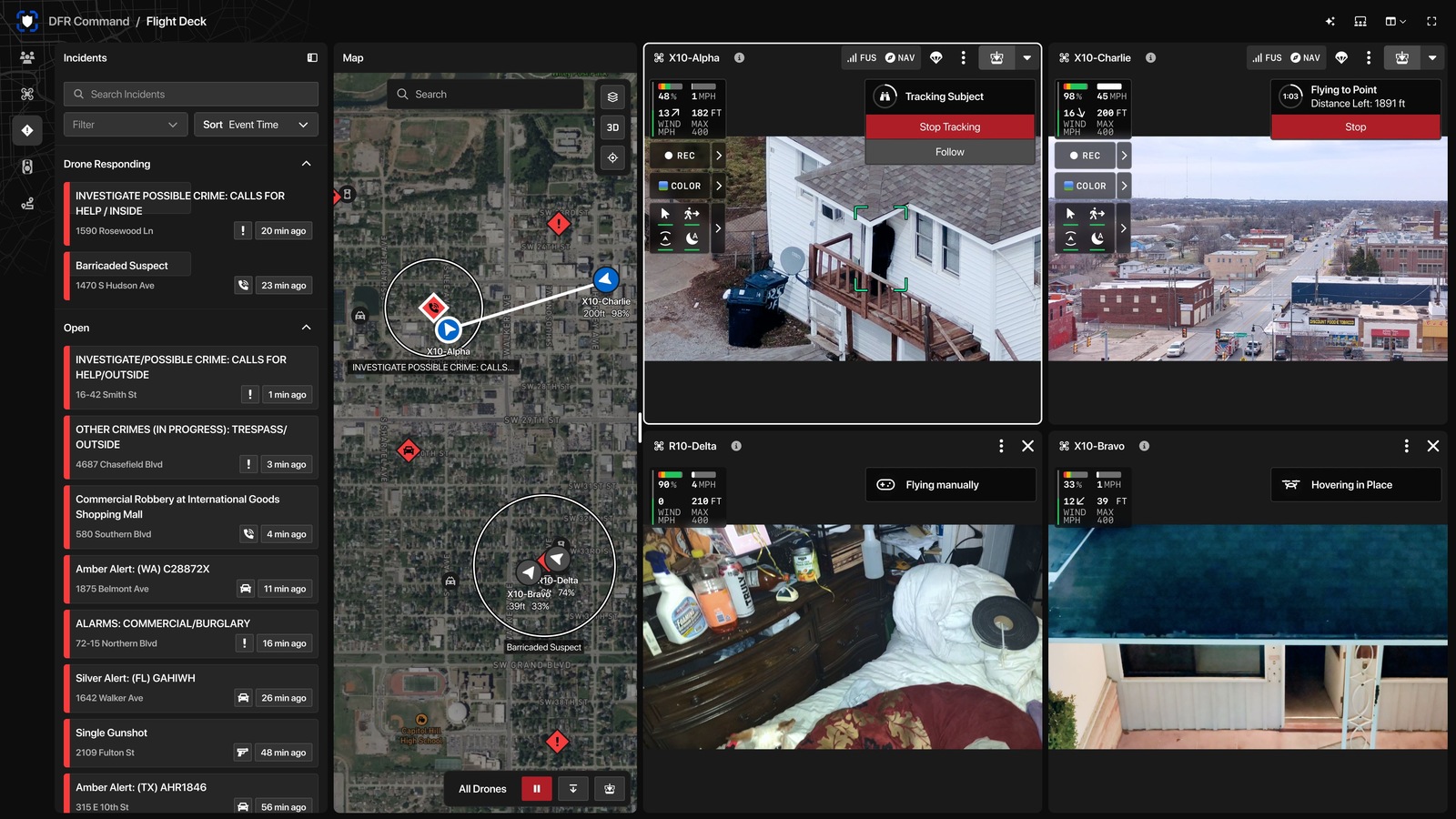
Skydio’s September 3 update says DFR Command had processed more than 25 million computer-aided dispatch calls for service as of August 2026, compared with 10 million in February. The company describes live connections with major CAD providers and more than 35 public-safety systems. These are vendor-reported integration figures. They count records reaching a platform, not aircraft launches, successful interventions or independently verified improvements in public safety. Primary source.
The contribution is connectivity across an installed base of dispatch systems. Skydio also describes an August native integration with CentralSquare that brings incident information into DFR Command and returns drone video and telemetry to the CAD environment. That is more specific than a promise that two products could eventually communicate.
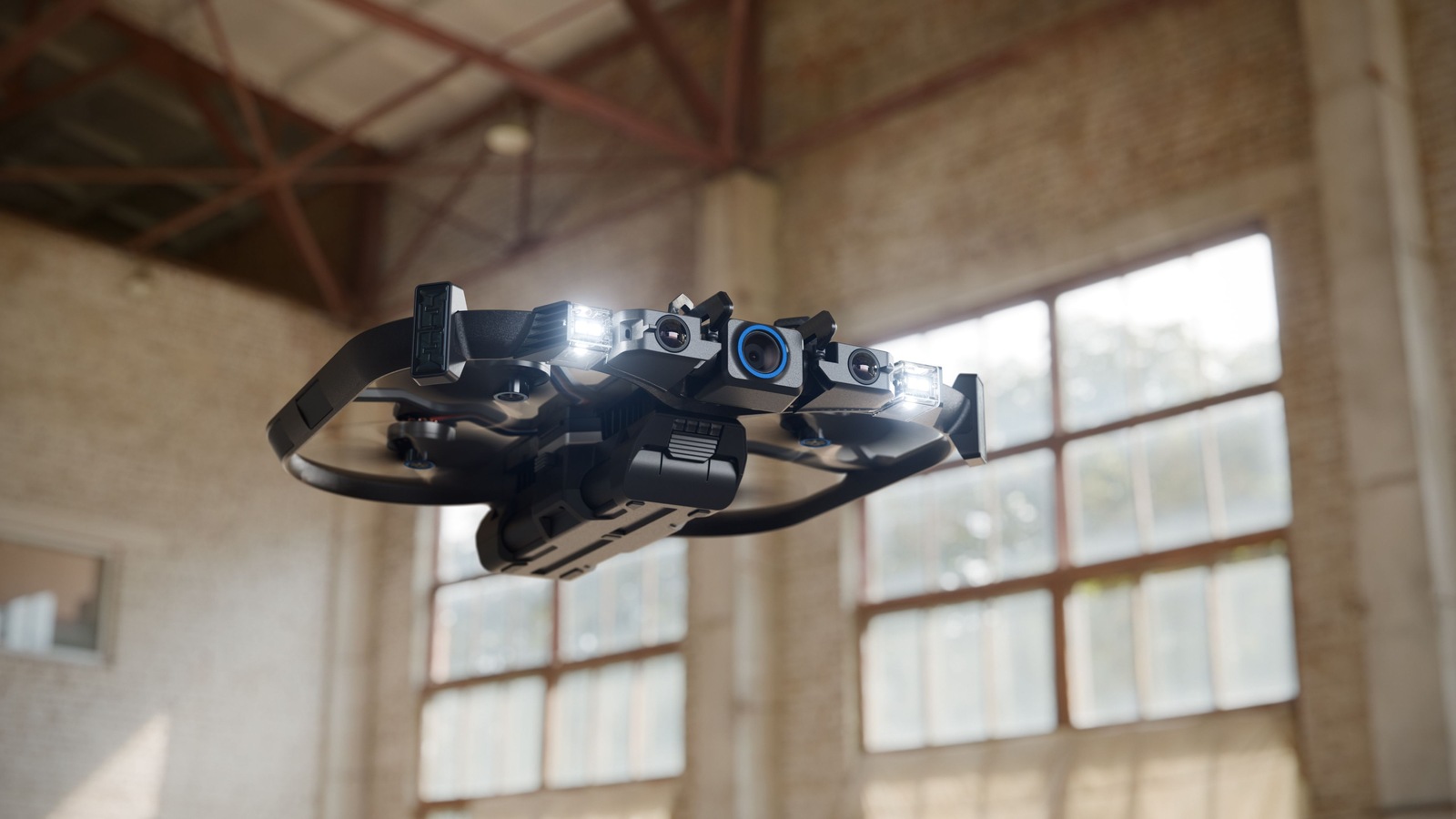
Watch the system in action
Official source video from Skydio; company demonstration rather than an independent performance trial. View the source ↗
Why the handoff is the mechanism
An incident record and a flight are different objects. The record may contain a changing address, an evolving priority and information that has not been verified. A flight consumes a finite aircraft, operator attention and an authorization to act. Connecting the systems can reduce retyping and keep the two objects associated, but it should not collapse them into a single automatic decision.
The useful architecture preserves that distinction. A person should be able to understand why a marker appeared, whether its position changed and why a launch was accepted or declined. Those are assessment criteria for an agency reviewing an integration, not functions this publication independently tested. A technically successful connection can still deliver poor information if its source, timestamps or updates are misunderstood.
The return path is equally important. Once airborne, a drone creates information that other responders may need. A shared incident association can help prevent parallel teams from interpreting separate feeds as separate events. It can also make later review possible without requiring someone to reconstruct the connection from memory. Compatibility therefore needs to include what happens after launch and after the flight ends.
The evidence still missing
The reported volume does not provide a denominator for eligible incidents or a distribution of delays. It does not establish how many records were duplicates, how often locations required correction or how much operator workload changed. A large intake count can coexist with an effective service, a lightly used service or an overloaded one.
The next useful evidence would separate records received, incidents reviewed, flights authorized and missions completed. It would compare dispatch-to-decision time as well as flight time, and disclose unsuccessful connections and cancellations. This would let a buyer distinguish a growing data interface from a measurable improvement in the response workflow without demanding disclosure of sensitive incident details.
What changes for buyers now
The immediate implication is a different procurement conversation. Agencies can ask for an end-to-end demonstration using their actual dispatch configuration and an ordinary training incident. They should examine an update, a cancellation and a post-flight record, not just the first marker appearing on a map. Integration costs include configuration, access control, maintenance and staff training even when a connector is already available.
Front-line roles also need clarity. A dispatcher should not inherit flight responsibility merely because a new button appears. Conversely, a remote pilot should not have to interpret an incident without the context available to the dispatch team. Decisions about responsibilities belong in the operating model alongside the technology contract.
The wider test
If integration lowers friction while preserving judgment, drones could become a more dependable part of an existing response service rather than another disconnected console. The alternative is a busier platform that produces more markers than a team can responsibly assess. Both outcomes are compatible with a rising call count.
Watch for evidence that follows the complete chain: accurate incident context, an authorized decision, an available aircraft, useful observation and a documented handoff. That chain, rather than the size of the incoming data stream, will show whether dispatch connectivity is changing the service people receive.
Primary source: Skydio official reporting.
Questions, news tips or corrections? Contact [email protected].