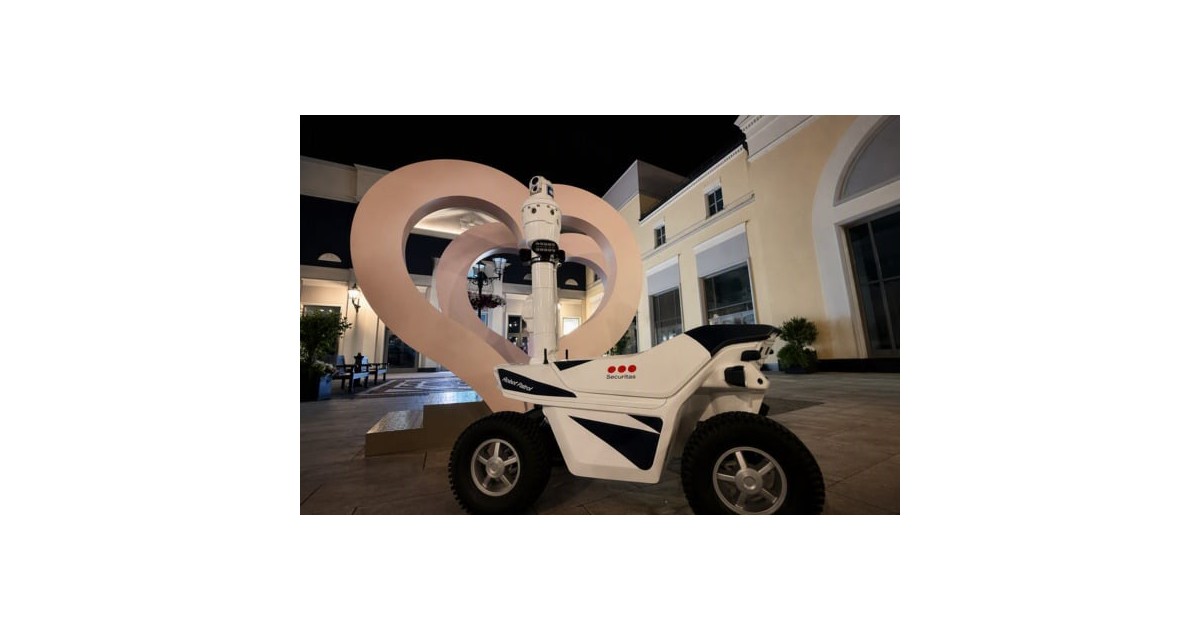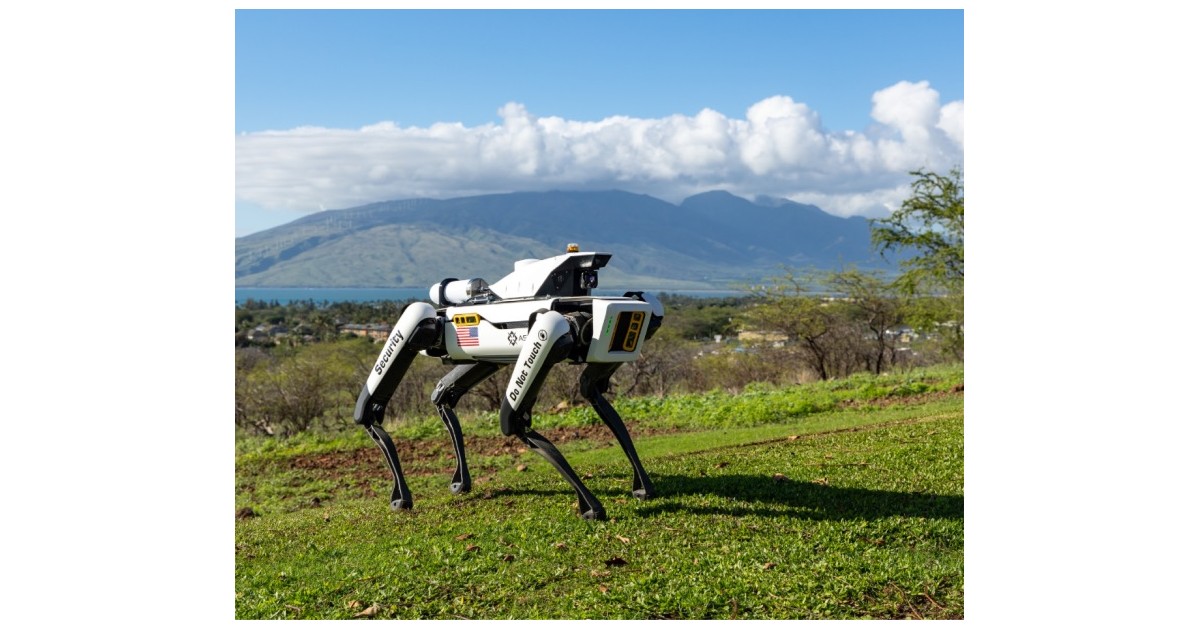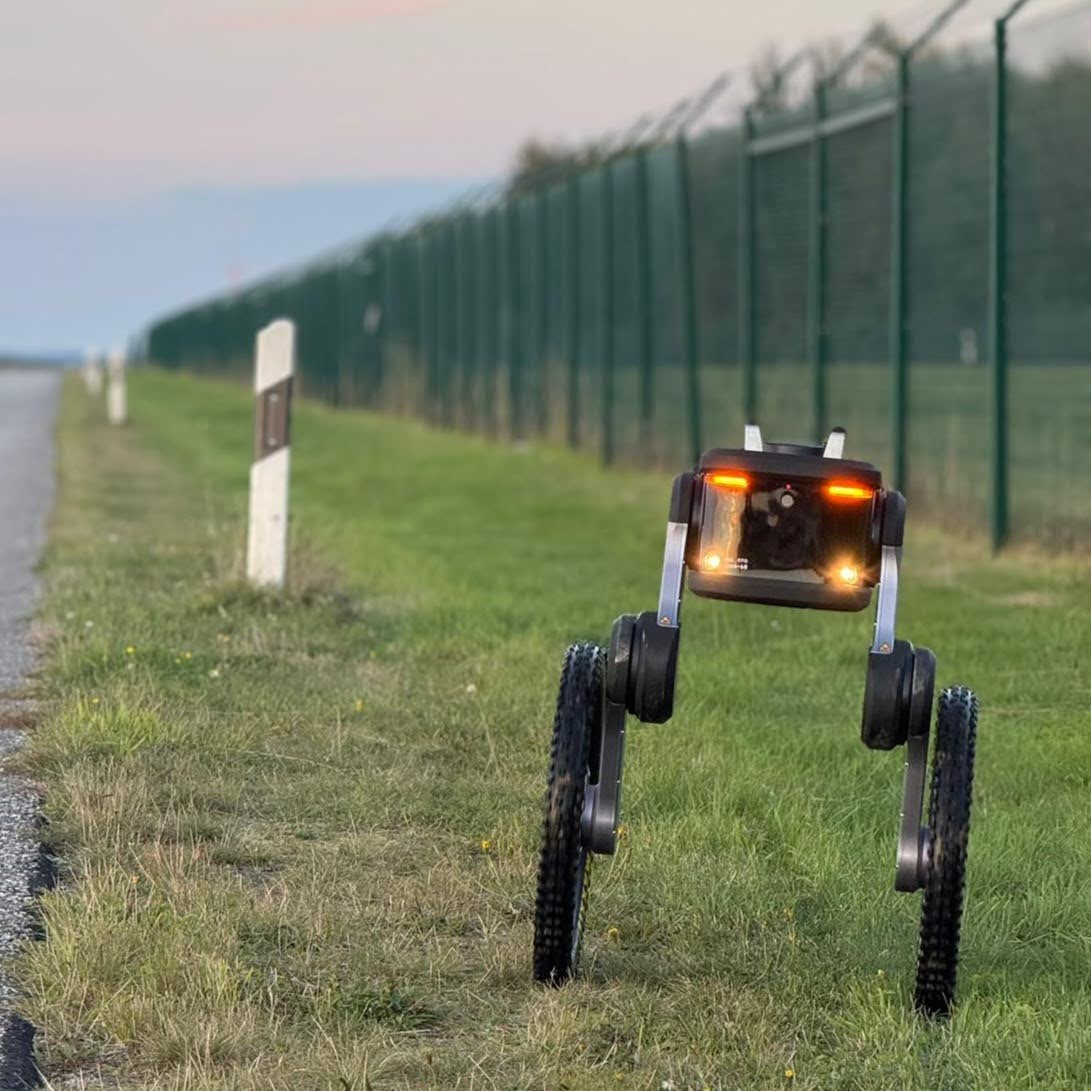
A security robot does not earn its place by looking advanced during an introduction. It must perform the same useful checks repeatedly while the site, weather and staffing change. Treating robotic patrol as infrastructure therefore raises a demanding question: can the operator rely on it as part of an ordinary shift, with understandable limits and a practical response when it cannot continue?
Ascento’s October 23 article argues that mobile patrol will become a standard layer between fixed cameras and human guards. It describes Ascento Guard’s intended outdoor role, including scheduled patrols, visual and thermal observation, live monitoring and documentation. This is the supplier’s account of its product and market direction. It does not announce a new customer deployment, publish a controlled comparison or independently establish its prediction that robotic patrol will become standard infrastructure. Read the primary source account.
A moving camera must perform a defined check
The distinction between seeing and checking is useful. A camera can provide a continuous view of one area while a mobile platform can visit different areas at different times. Neither arrangement is automatically complete. A patrol specification needs to say which conditions the team wants to observe, how often those checks should occur and what information is sufficient to decide that the check was performed. Route distance alone cannot answer those questions.
Consider an illustrative gate inspection. The useful result could be a current view showing whether the gate is in its expected state, with the time and location preserved. Passing near the gate would not necessarily provide that evidence. This is a proposed evaluation scenario, not a published Ascento customer incident. It translates the supplier’s argument about repeated patrol into a result a customer could inspect without inventing a universal detection threshold.
Weather and terrain also belong in the configuration. A statement that a robot is intended for outdoor use should lead to the conditions under which the actual task was tested. A vehicle may traverse a surface while its observation is degraded by rain, darkness or an obstruction. A useful assessment separates navigation completion from observation quality. The commentary does not provide a complete public dataset covering every environment mentioned in the product description.
Infrastructure includes maintenance and exceptions
Routine service requires a way to recognize an unavailable robot and cover the intended check by another means. An operator should know whether a patrol was delayed, stopped or completed with an unresolved observation. These are proposed service requirements, not claims about a hidden Ascento implementation. They identify why a repeatable operating process matters alongside mechanical mobility and why an exception handled clearly can be a valuable outcome.
The article’s comparison with familiar fixed-camera infrastructure is an analogy about adoption, not evidence that the technologies have identical cost, coverage or support needs. A mobile platform adds charging, route access and physical maintenance. A fixed camera has its own installation and field-of-view constraints. Customers need a comparison based on the site’s required checks and response arrangement, rather than a general claim that one type of equipment replaces every other layer.
Human review remains part of the proposition. The supplier describes robots documenting observations and alerting people when attention is needed. A customer can evaluate how many alerts require review, whether the views are useful and what happens after verification. A lower walking workload could coexist with more remote review work, or the combined arrangement could reduce total effort. The source does not publish enough measured staffing information to establish either result universally.
The next operating record should preserve the attempted checks, successful observations, missed checks, interventions and support time over a stated period. Those measures would make an infrastructure claim more assessable than a selected successful patrol. They would also help distinguish a hardware limit from a route-design or staffing issue. This article proposes that evaluation approach; it does not claim that the supplier has already published the full dataset.
The practical significance of Ascento’s argument is the shift toward ordinary service requirements: repeatability, understandable exceptions and integration with the people who respond. The October commentary makes that direction explicit without proving the predicted market outcome. The next useful evidence is a bounded customer case that shows whether the complete patrol service remains dependable after the novelty of the robot has disappeared.
References
Questions, news tips or corrections? Contact [email protected].