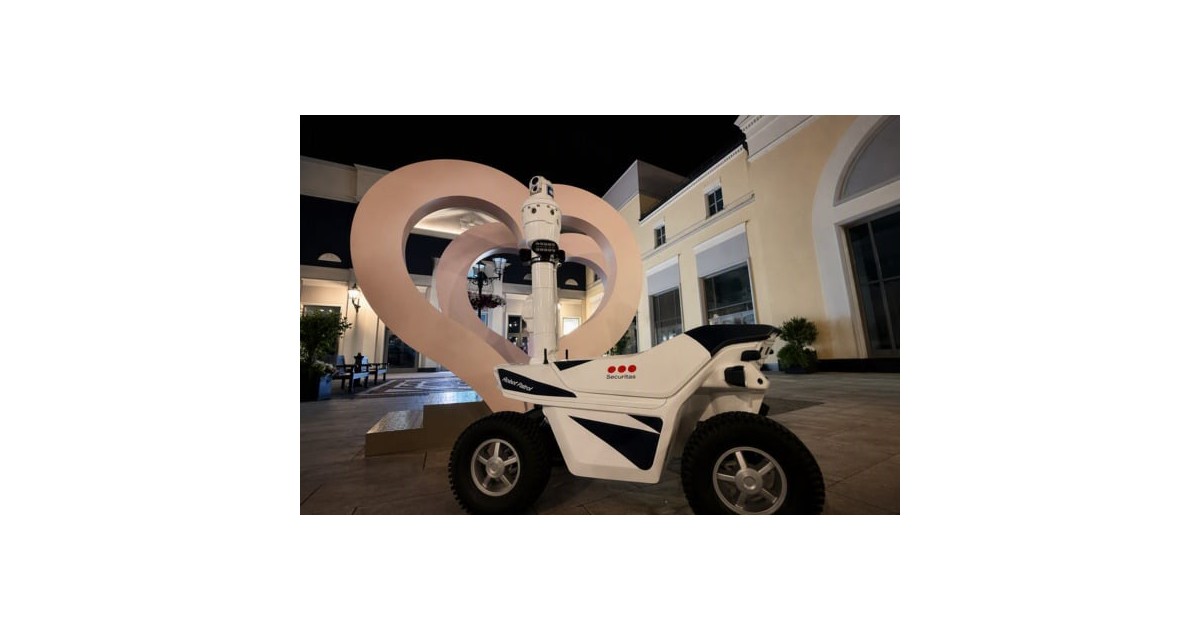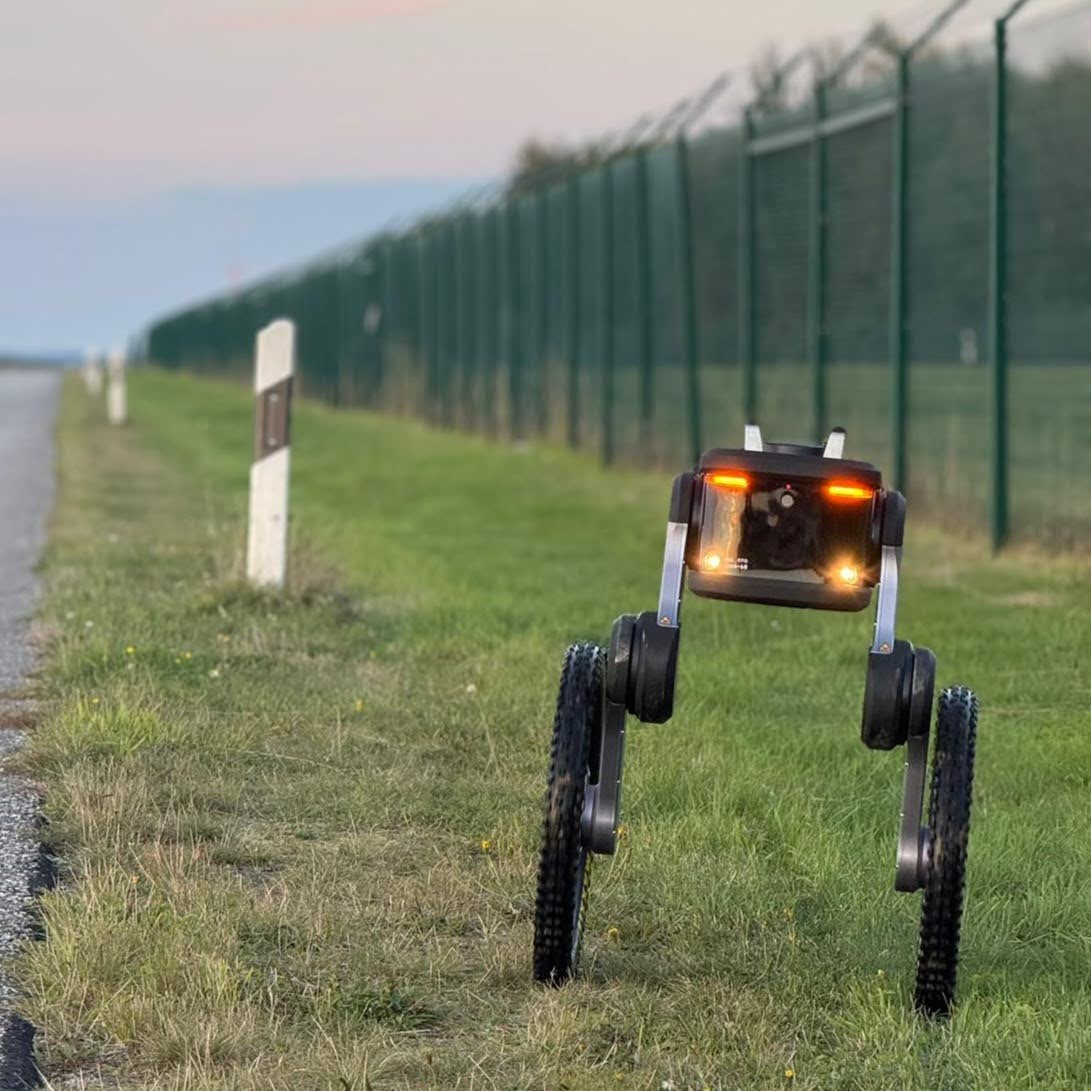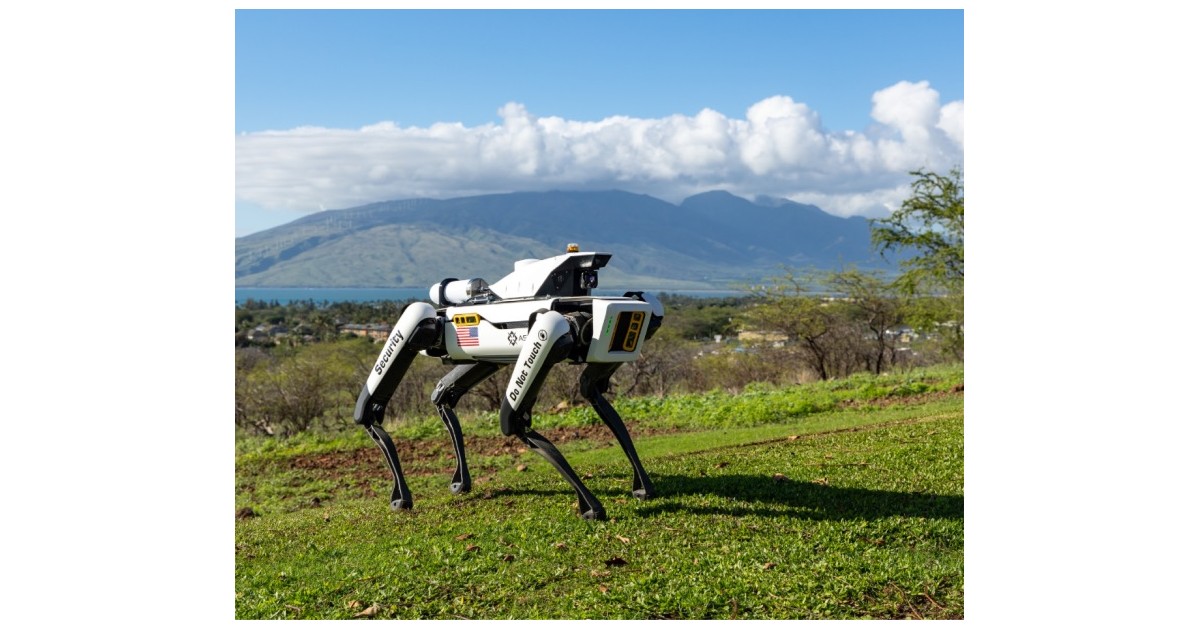
An existing alarm system can identify a place requiring attention while still leaving a person without a current view of the event. Sending a mobile sensor to investigate can connect those stages. The integration matters because the result must reach the security team with enough context to support a decision, rather than creating another disconnected alert feed.
Asylon’s September 18 announcement says Bosch Ventures invested in the company to support autonomous physical operations. It describes an existing relationship in which DroneIQ connects with alarm systems used in Bosch Building Technologies solutions, enabling events to initiate investigation through Guardian aerial systems or DroneDog ground robots. The release does not disclose an investment amount or publish a new controlled performance study. It is a financing and integration account, not proof that every proposed inspection or security application is operational. Read the primary source account.
An alarm needs a bounded investigation task
A fixed alarm and a mobile robot supply different kinds of information. An alarm may identify a zone or condition, while the robot can obtain another view of the location. A complete workflow needs to translate between them without assuming the alarm already explains the event. The company describes that connection at a platform level. The public release does not provide every supported alarm type, tasking rule or failure-handling configuration.
Consider an illustrative perimeter alarm after dark. A ground robot might be asked to inspect a defined location while remote personnel review the resulting view. This is an evaluation scenario, not a deployment incident reported in the investment release. The useful result would identify what information the alarm supplied, which task the robot received and what the reviewer could conclude. Counting a launched mission alone would not establish that the investigation resolved the original uncertainty.
The choice between aerial and ground investigation also needs the site attached. Terrain, obstacles, airspace and the desired observation can favor different approaches. An integrated portfolio offers options, but it does not establish that both kinds of robot can perform the same task under identical conditions. The announcement’s references to security, inspection and monitoring should therefore remain separate proposed workflows unless their actual configurations and results are documented.
Investment can support expansion without validating it
The source says the investment builds on an existing technology relationship and supports broader deployment. That can be strategically relevant because integration and operating support require resources. It does not reveal how much capital was committed, what milestones govern its use or whether any specific customer rollout has been funded. No valuation, revenue forecast or deployment quantity is inferred from the announcement.
Asylon’s managed model includes remote operational support, and the company reports a cumulative mission total. A mission count can indicate repeated use while leaving mission complexity, interruptions and human effort unresolved. The release does not supply a consistent denominator for independent reliability comparison across its different applications. The article therefore does not treat the cumulative figure as a success rate or evidence that every mission completed without assistance.
A customer evaluating the integration could ask for an end-to-end test that includes an alarm arriving with incomplete information, an unavailable robot and a task requiring escalation. These are proposed exception cases, not disclosed product failures. Their purpose is to show whether the connection remains understandable when the normal automated path cannot finish. A reliable handoff back to people can be an important result even when the robot does not continue the task.
The support arrangement should preserve the configuration over time. An alarm-system update, a new robot payload or a changed patrol route can affect the relationship between detection and investigation. A useful service identifies who approves those changes and how the customer recognizes the tested configuration. Shared technology relationships can help organize that work, but their existence should not substitute for the actual operating and maintenance responsibilities agreed with a customer.
The next evidence is a named, bounded operating case showing how alarm integration changes verified outcomes and security-team workload. The September investment is being assessed as that earlier development, with its date retained. Its significance is the prospect of connecting installed security infrastructure to repeatable mobile investigation; the practical benefit remains a question for the configured service and the people responsible for acting on its findings.
References
Questions, news tips or corrections? Contact [email protected].