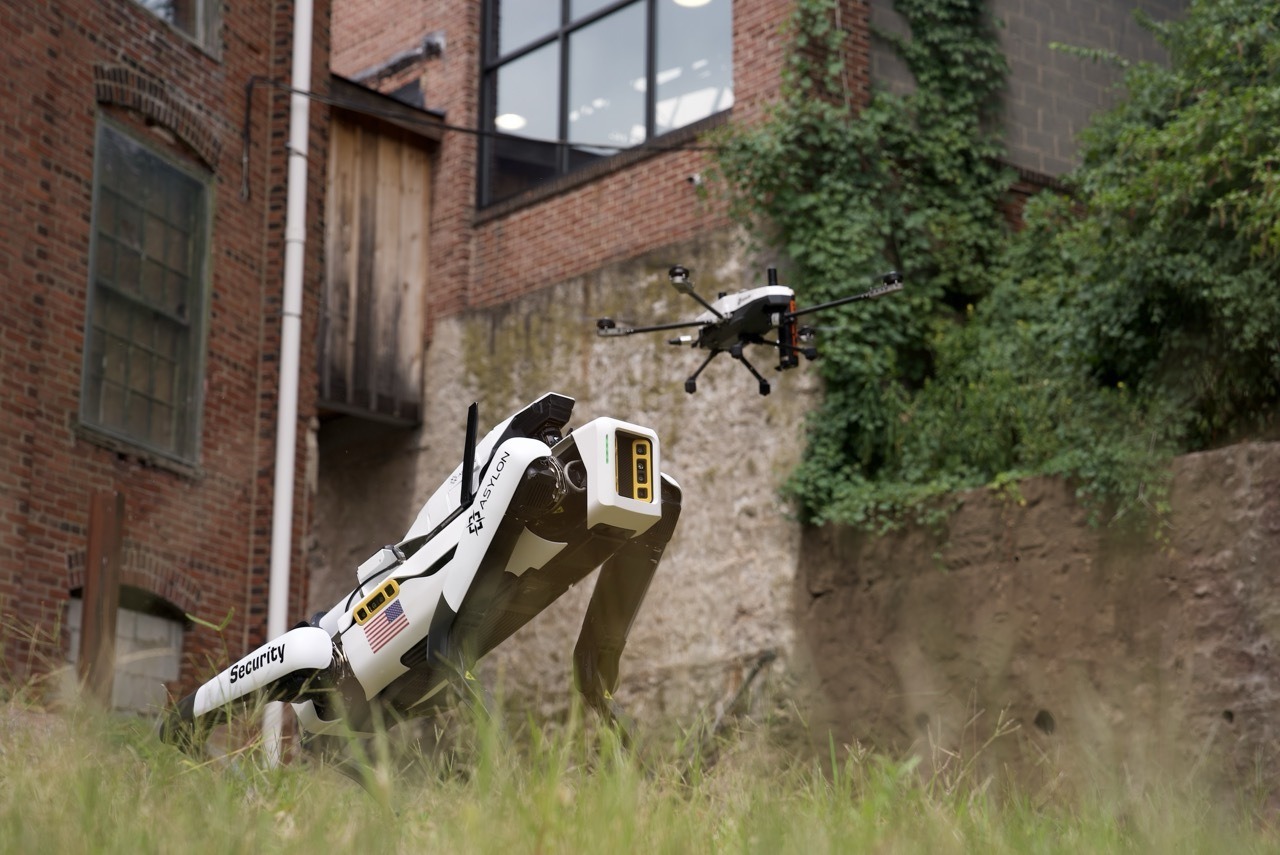
A mobile security robot needs an operating arrangement around it. The machine must navigate a site, deliver understandable observations and give people a way to decide what to do next. An integrator’s role concerns those connections rather than only the movement of a particular chassis. Product showcases can help buyers examine that proposition, provided an event listing is not mistaken for evidence that the complete service has already been accepted at a customer site.
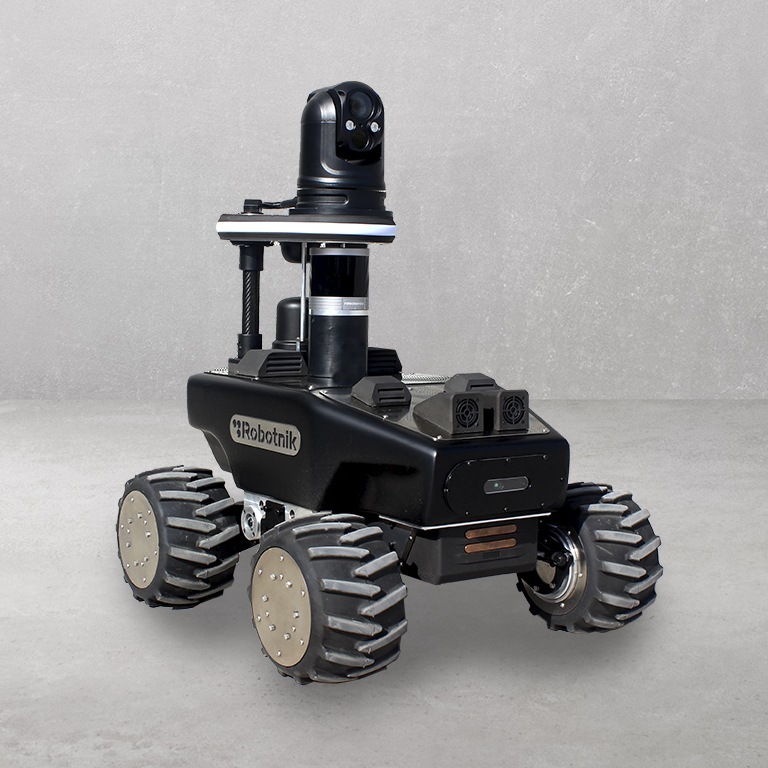
Roboverse Reply’s October 29 Smart Robotics Summit notice identifies PUMA M20 Pro from inMotion Robotic and RB-WATCHER from Robotnik for its joint booth with RobShare in Mainz. The program connects the display to perimeter security and site protection and lists a security discussion. The source establishes the announced program. This article does not claim attendance, independently observed demonstrations or a new contract resulting from the event. Read the primary source account.
Two platforms do not establish one interchangeable service
Listing more than one robot raises a useful integration question: which functions belong to the platform and which are supplied by the wider system? A common operating view can help teams work across hardware, while differences in sensors, mobility and supported interfaces remain relevant. A buyer needs to know whether the proposed workflow has actually been exercised on the selected machine, rather than assuming that every listed platform behaves identically.
Robotnik’s separate product documentation describes RB-WATCHER as an indoor-and-outdoor inspection and security platform with visual and thermal sensing. Its browser-based management interface supports maps, mission configuration, monitoring and remote control, with role-dependent access. Those are manufacturer descriptions of an established product, not new capabilities launched at the Mainz event. Keeping the product history separate avoids manufacturing a launch from an appearance on a conference program.
A patrol route needs a decision objective
The value of a route depends on which observations the site requires and when. Passing a location periodically is different from maintaining uninterrupted observation of it. A practical demonstration should therefore connect the robot’s movement to a defined security question. Otherwise, a successful lap can look persuasive while leaving unresolved whether the information reaches a reviewer in time to matter.
Thermal and visual observations can contribute different context, while the interpretation still needs a responsible recipient. An unusual reading or a detected person is a condition to assess, not an automatic finding of a threat. The receiving team needs the observation’s location, timing and uncertainty. A showcase can illustrate those handoffs, while repeated site trials are needed to establish how reliably they work under routine conditions.
Integration includes recovery and support
A system that performs an uninterrupted planned route has not demonstrated every part of availability. A customer also needs a way to manage a blocked route, unavailable equipment or a request for a closer look. The event notice does not publish a complete recovery procedure or service-level agreement. Those remain acceptance questions, rather than shortcomings established by the absence of detail in a brief program listing.
The distinction between a supplier and an integrator also matters after installation. If several organizations provide hardware, software and monitoring, their responsibilities should remain clear when a change is made. A shared interface can simplify the operator’s view without eliminating that maintenance work. An inspectable deployment record should identify the actual versions and the party responsible for restoring the complete workflow when an interface stops behaving as expected.
The manufacturer’s maximum runtime and enclosure rating also need to stay attached to the specified platform and conditions. They should not become a promise that a complete service can patrol continuously in every weather or site layout. A buyer can use those specifications to design a trial, then record the actual operating cycle and observation quality. This connects the product sheet to an accepted local task, while keeping the October event’s role as an introduction and discussion separate from evidence of sustained operation.
The immediate significance is an announced opportunity to examine two physical patrol platforms within a broader security-integration discussion. It is not a field-performance result or evidence that a visitor became a customer. The longer-term proposition is that well-integrated robots can extend useful observation without fragmenting the team’s work across disconnected systems. A named site trial with clear roles, repeated outcomes and documented interventions would provide stronger evidence for that proposition than an event appearance alone.
Source organizations: Roboverse Reply, Robotnik, RobShare.
Robotnik manufacturer documentation for the established RB-WATCHER platform.
Questions, news tips or corrections? Contact [email protected].