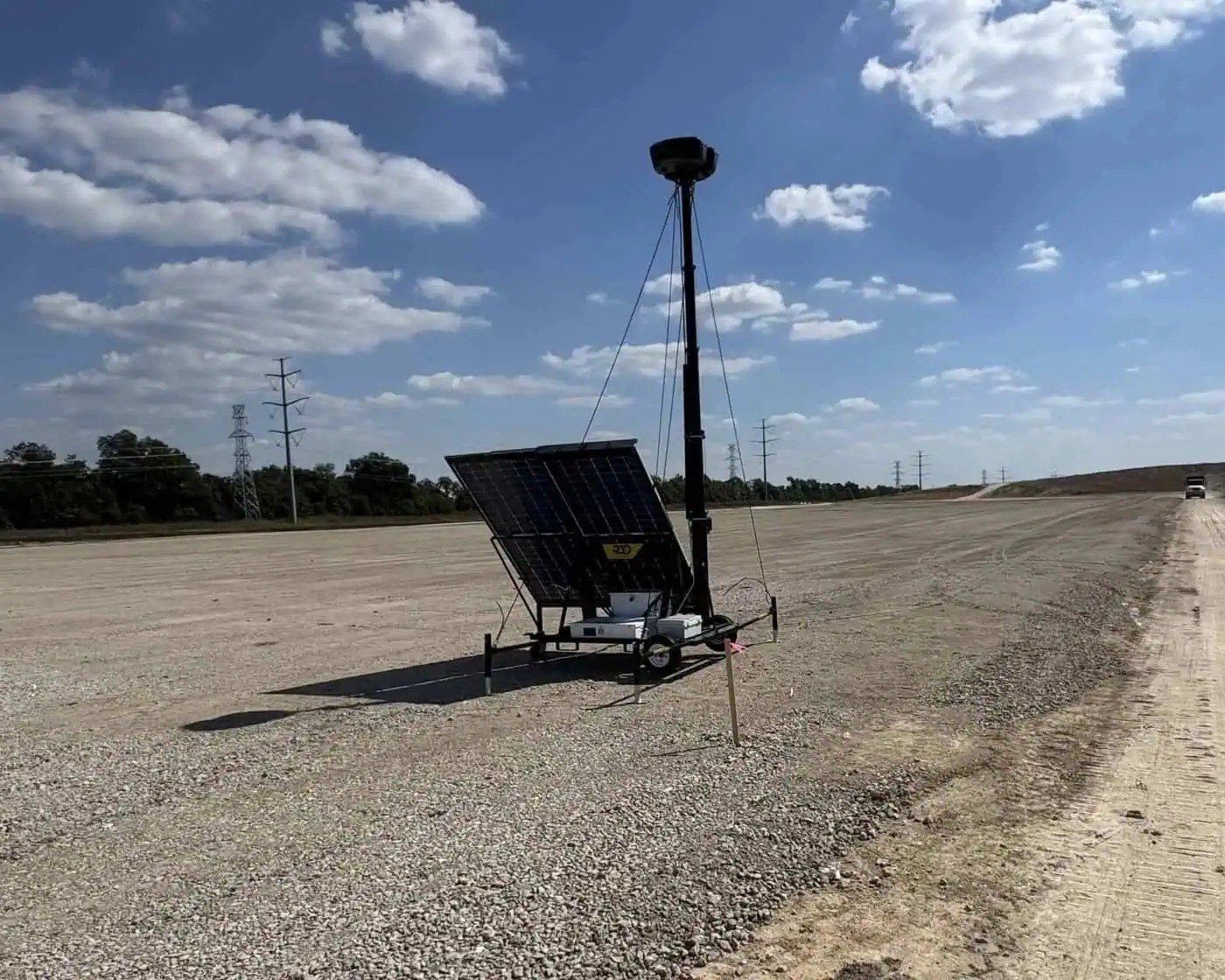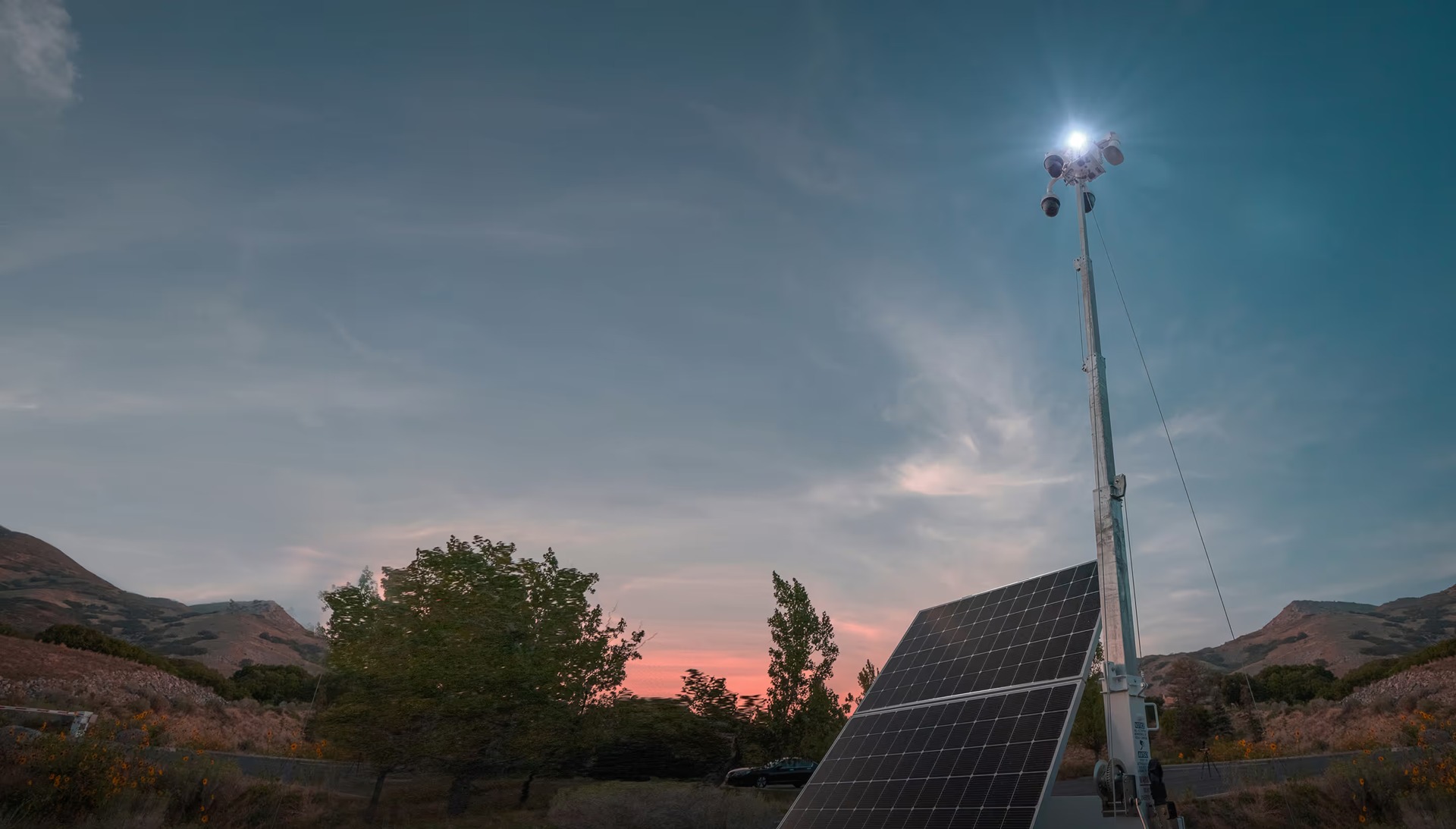
A surveillance trailer can keep watching a site while the connection to its monitoring team becomes intermittent. The resulting problem is not simply whether footage exists. Someone must understand which observations are current, which remain on the device and what becomes available after the link returns. A hybrid video-management system should therefore be assessed through the entire outage and recovery sequence, rather than through a normal live view alone.
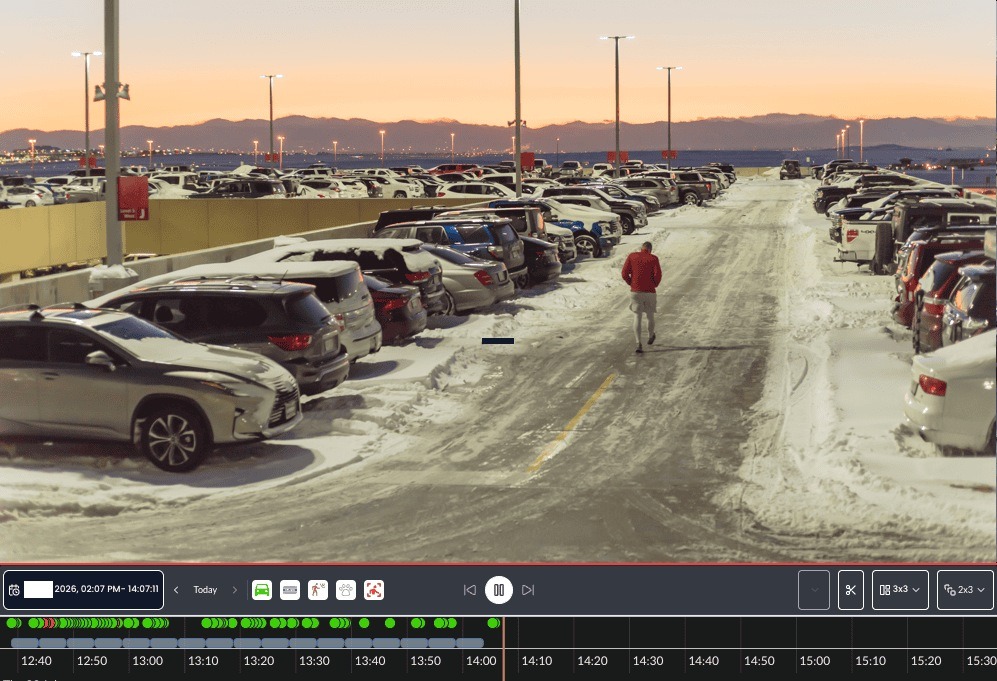
Reconview’s company-distributed August 19 release introduces Sparix AI as a hybrid cloud video-management system for mobile surveillance trailers, remote locations and multiple sites. It describes recording at the edge, synchronization after connectivity interruptions, device-based detection, ticketing, clip sharing and audit logs. The supplier also claims live-stream latency below two seconds under standard conditions. Those are product claims, not independent measurements covering every customer network or trailer installation. Read the original source account.
Recording and live awareness are separate services
Keeping a local recording can preserve evidence during a communications interruption, while leaving a remote operator unable to see a current event. Both facts can be true at once. A customer should therefore define whether the task requires immediate awareness, later review or both. Treating stored footage as equivalent to uninterrupted monitoring would overstate the protection offered during an outage. The release should be read as a proposed architecture for continuity, with distinct consequences for each part of the service.
The limits of local storage and power also belong in the assessment. An edge device cannot be evaluated through the cloud connection alone. The useful record includes the selected recording configuration, the duration of the interruption and the state of the equipment throughout it. The public announcement does not publish a universal endurance figure for every installation. A stronger resilience claim would retain those conditions rather than imply that a general architecture removes every practical limit.
Recovery should preserve what happened
When connectivity returns, synchronization needs to make the relationship between local and cloud records understandable. Reviewers should be able to distinguish event time from the time a clip became available remotely. Otherwise, recovered footage can appear current when it is historical, or a gap can be mistaken for a period with no activity. This is an acceptance question for the system as configured, not a reported fault in Sparix AI.
Ticketing and clip sharing can connect a video observation to work performed by people. Their value depends on whether the record preserves responsibility and the relevant context. A shared clip may be useful evidence while still leaving the receiving person uncertain about the preceding event or subsequent response. The audit trail should make those transitions inspectable. That helps a team assess its own process instead of counting every generated ticket as an automatically resolved security incident.
Latency requires a defined comparison
The supplier’s sub-two-second live-stream claim is qualified by standard conditions. A useful comparison needs to identify those conditions and distinguish delay in video delivery from the time required to recognize and respond to an event. A fast stream can still leave an operator with an ambiguous observation. Conversely, a delayed stream may remain useful for a task that does not require immediate intervention. The measurement should match the actual customer objective.
An acceptance exercise could follow one event from local detection through the operator’s review, introduce a representative interruption and then examine the recovered record. It should retain periods when the system operated normally as well as the points requiring manual work. That would show where the architecture preserves information and where it transfers responsibility to staff. The announcement does not itself provide such a customer-level evaluation, so it cannot establish a universal reduction in monitoring workload.
Clock consistency is another concrete acceptance question. If local equipment and the receiving platform present different event times, a reviewer may struggle to reconstruct a sequence even when all clips are retained. The useful test is whether the recovered record tells a coherent story. This does not require assuming an existing clock fault; it means checking the information property on which later investigations would rely.
The immediate contribution is a defined hybrid approach to mobile surveillance management. Its longer-term significance depends on how clearly the complete system handles the transition from live connection to local recording and back to shared review. The August introduction provides the product proposition. Evidence from representative outage and recovery conditions would connect that proposition to a stronger claim of operational resilience, without confusing retained footage with continuous remote awareness.
Source organizations: Reconview.
References
Questions, news tips or corrections? Contact [email protected].