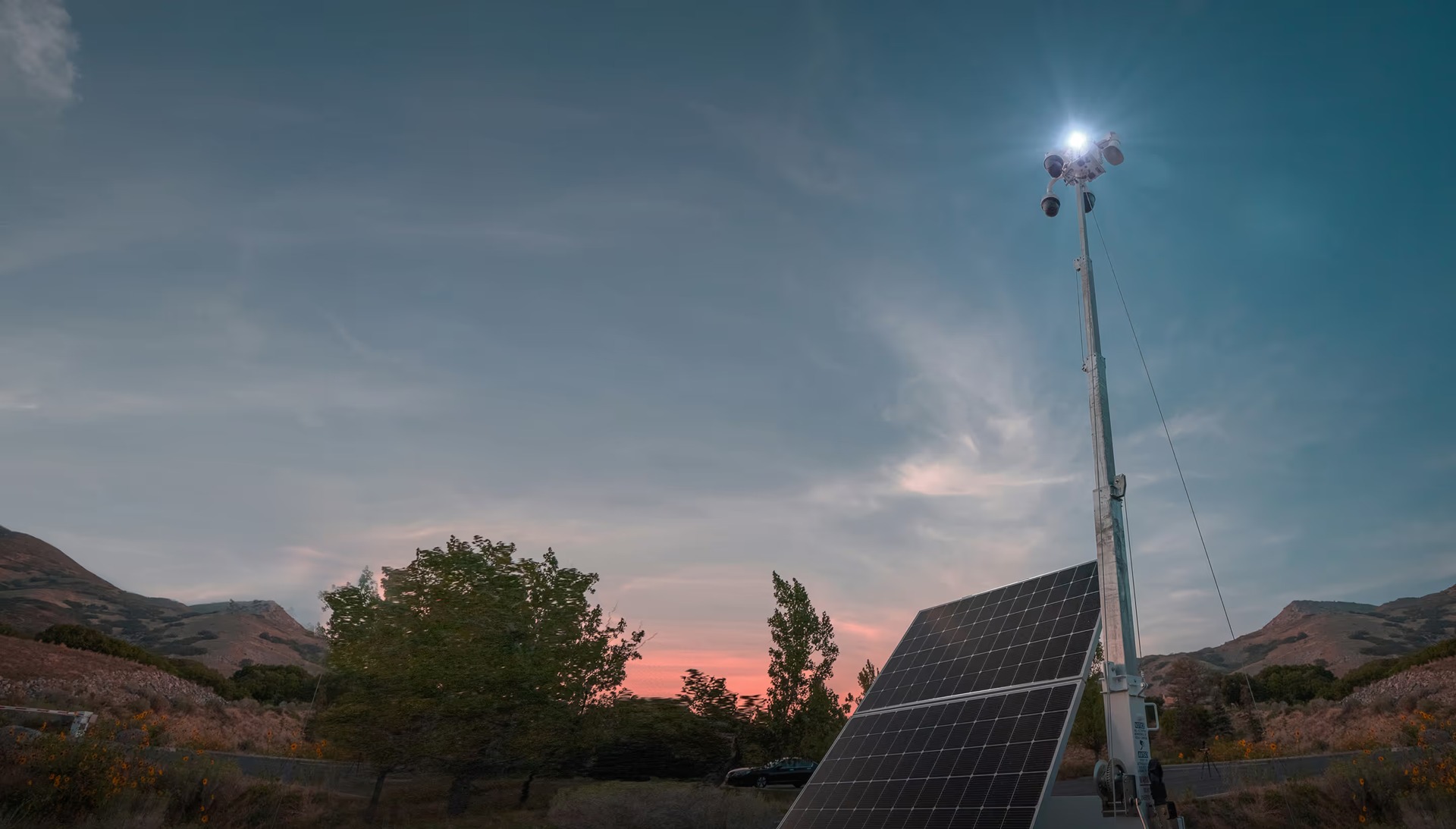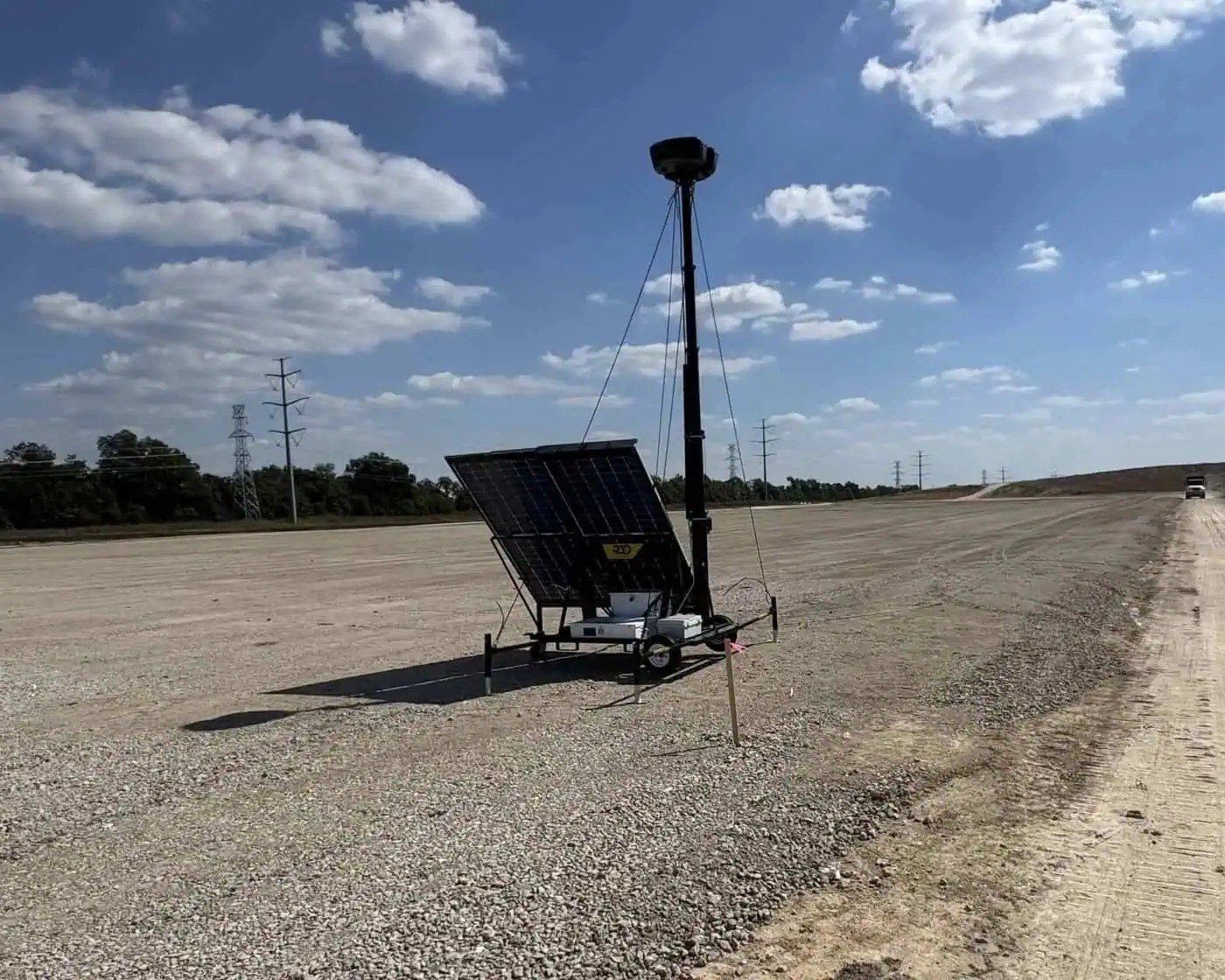
Adding a security tower can add a second place for operators to watch, review and act. If each device requires a separate console, the integration cost includes attention as well as software. The important question is whether a new sensor’s information reaches the people already responsible for the site in a form they can use. A monitoring-platform integration addresses that handoff, while leaving the quality of the complete response to be assessed separately.
Robotic Assistance Devices’ September 14 release says its ROSA and RIO integration with Immix became available following user acceptance testing and joint engineering work. The supplier describes alarm events, live video, footage playback, pre-alarm recording, audio transmission and relay control. It also says support for AVA is planned for 2027. The distinction is material: released ROSA and RIO support should not be presented as evidence that every device in the wider catalogue is already supported. Read the original source account.
A shared console changes the work surface
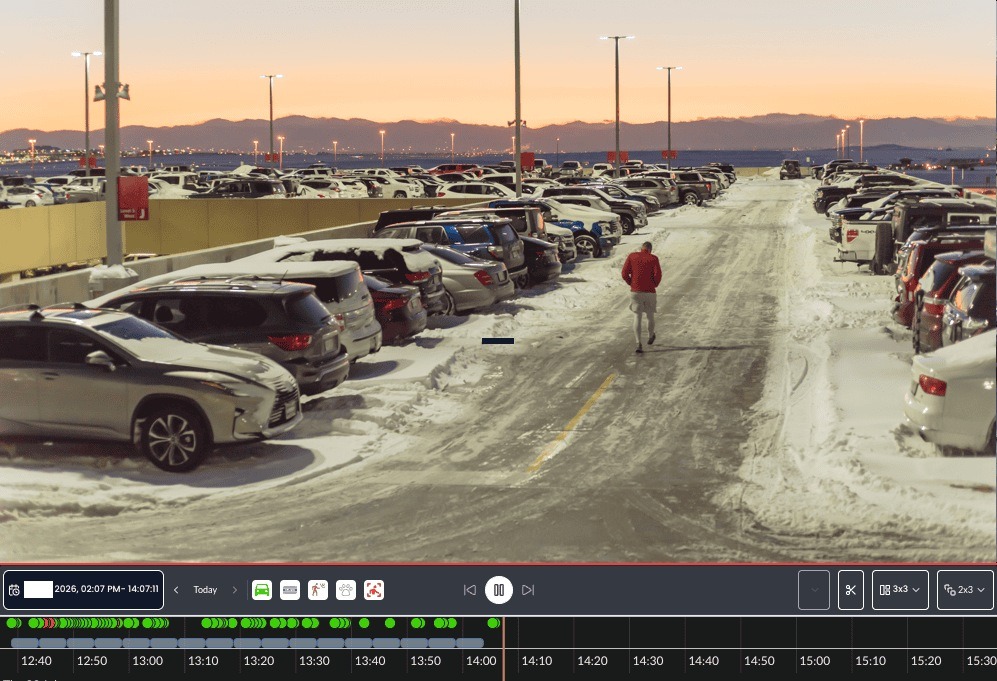
For an established monitoring operation, integration can reduce the need to move between applications when reviewing an event. That is a plausible workflow benefit, rather than a measured result supplied by this release. The source names no customer-specific improvement in response time or operator workload. An acceptance comparison should therefore examine the complete task: receiving an event, finding the relevant footage, understanding its context and selecting the next permitted action.
Pre-alarm recording can help show what happened before the triggering event, while playback can support review after the immediate response. Neither feature automatically explains why an alert occurred. The operator still needs clear timing and a known relationship between the event and the video. If information is delayed or incomplete, the display should make that understandable. The value of integration lies in a coherent sequence, rather than merely making more buttons available in one application.
Observation and intervention have different boundaries
Audio transmission and relay control extend the console beyond passive viewing. That makes command permissions and feedback part of the integration’s practical meaning. An operator should know what a selected control will affect and whether the command reached the intended device. A useful evaluation should distinguish an acknowledged request from an observed result. The public announcement establishes offered functions, not a guarantee that every local configuration behaves identically.
A monitoring centre may support sites with different rules and response arrangements. A control that is appropriate at one location may require a different approval at another. The integration should fit those arrangements rather than flatten them into a single generic procedure. This is an implementation question for the receiving organization, not evidence that RAD or Immix has bypassed a particular customer’s controls. The release does not disclose enough detail to make that assertion.
Compatibility needs to survive ordinary change
A released integration remains dependent on the combinations actually supported. Device software, monitoring-platform versions and site configuration can change over time. The acceptance record should identify what was tested so that a later update can be evaluated against a known baseline. Without that record, a team can know that a product family is generally compatible while remaining uncertain about the exact combination installed at a particular location.
The same discipline applies to the planned AVA expansion. A future roadmap can help customers anticipate possible consolidation, but it should not be counted as current functionality. A buyer whose immediate task depends on an unreleased capability needs to preserve that dependency in the decision. The September release gives a useful dividing line between support described as available and support described as planned. Keeping that line visible prevents a broad portfolio claim from obscuring the actual purchasing question.
Training should use the actual supported device functions rather than a generic console tour. An operator who knows where a control appears may still need practice interpreting when to use it and what confirmation to expect. A realistic exercise can expose those gaps before the device becomes a routine source of alarms. That would connect software compatibility to the human task without assuming the release itself has already established the benefit.
The near-term contribution is an available connection between ROSA and RIO devices and an established monitoring environment. Its longer-term value depends on whether operators can move from a device event to an appropriate action with less ambiguity and a traceable record. Evidence from representative customer workflows would strengthen that case. Until then, integration availability is a concrete milestone, while improved security outcomes remain a separate proposition requiring their own support.
Source organizations: Robotic Assistance Devices, Immix.
References
Questions, news tips or corrections? Contact [email protected].