A mobile camera unit can make an unserved location visible without replacing every part of its security operation. The useful question is which work the unit performs and which work remains with the people receiving its video.
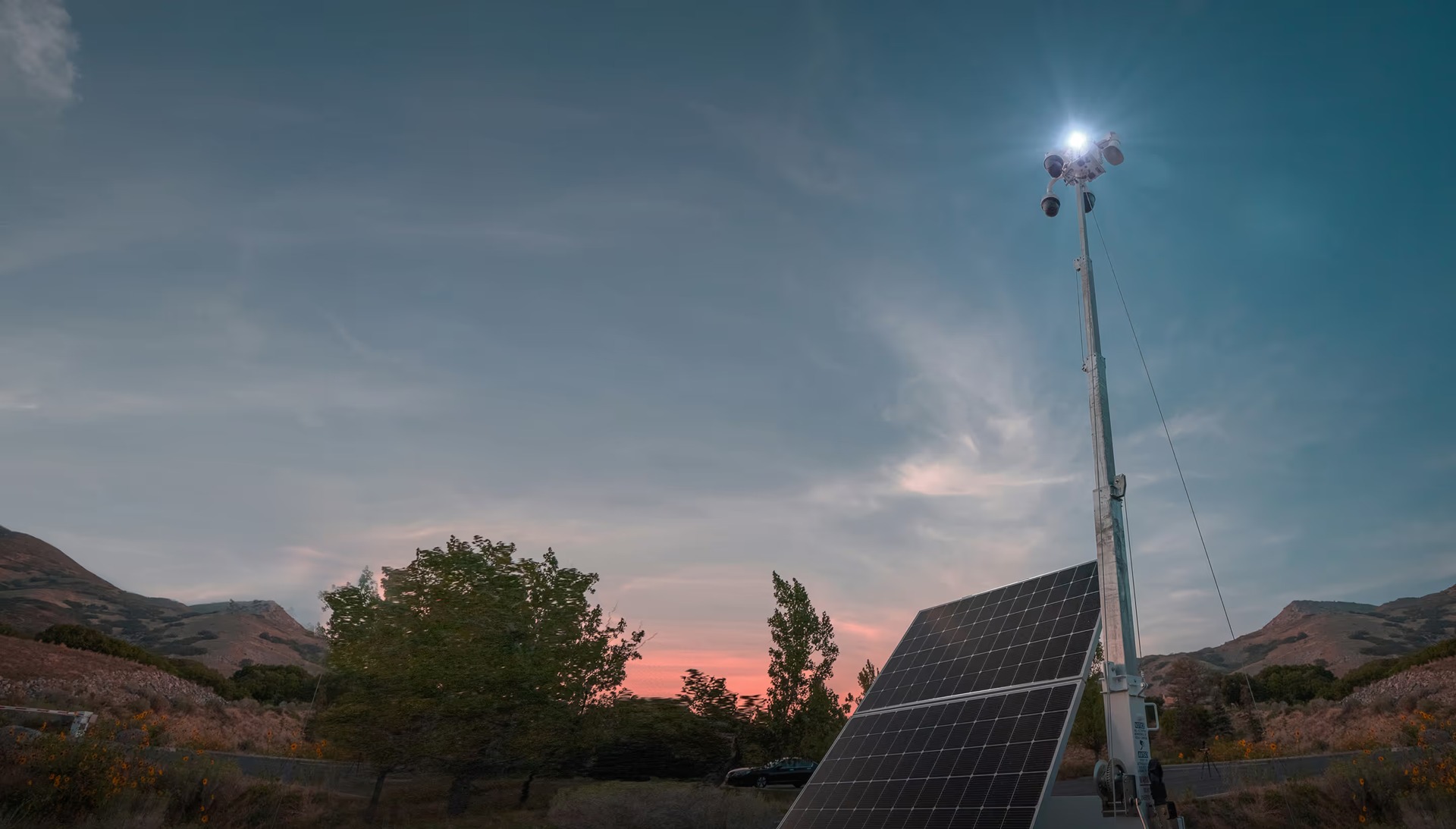
LiveView Technologies’ August 26 Essentials release describes a solar-powered, off-grid unit with a 20-megapixel Axis multi-sensor camera, streaming, blue strobes and fourteen-day recording storage. The announced price is $1,000 per month. LVT explicitly excludes its agentic AI and advanced site-management features from this configuration. This analysis examines that earlier product definition rather than announcing a new October launch.
Do not borrow capabilities from the wider portfolio
A brand may offer several levels of service. Evaluating the entry configuration using features advertised for another tier would misstate what is being bought. The viewing, review and escalation responsibilities need to be written against the actual package.
The price also does not determine the full operating cost. Placement, connectivity, staffing and retrieval of recordings can affect whether the installation meets its purpose. Those dependencies should be measured in the intended setting.
Start with a defined observation task
A practical trial should specify what the operator needs to see, at what time and with what level of detail. It should include changing light and obstructions rather than relying on one clear daytime image.
Essentials makes the product boundary unusually explicit. Its value depends on whether baseline monitoring fills the site’s gap and whether a responsible team can use the resulting information, not on assuming the unit includes a different tier’s automation.
Original source and reported conditions.
The stated omission is useful information
Product descriptions often emphasize the largest possible capability set. Here, the explicit absence of agentic AI helps define what the baseline unit is for. The site receives observation and recording capabilities, while interpretation and response need another part of the operating arrangement. A buyer can assess that arrangement directly rather than discovering later that a desired automated function belongs to a different package.
This distinction also prevents a misleading comparison between camera coverage and guard coverage. A camera can provide a view and a recording; a person can investigate, communicate and take actions that the camera cannot perform. The useful comparison begins by separating those tasks. It then asks which combination provides the required service at a supportable cost.
Recording policy affects the value of the evidence
The stated retention period is part of the operational definition, not merely a storage specification. A site should know how quickly incidents are normally discovered and who retrieves relevant recordings before they expire. Longer retention is not automatically better in every setting; the policy should be connected to a legitimate purpose and a clear access process.
A useful trial also checks whether exported evidence retains the time and location information needed by its recipient. Being able to watch a clip in a vendor interface is different from being able to deliver a reliable record to another authorized team. That handoff can be tested without assuming that every recorded event will become an investigation.
The total service should be reviewed at the site
Placement changes as the site changes. Temporary structures, parked equipment and seasonal lighting can alter what the camera sees after the initial installation. A recurring review of coverage is therefore part of maintaining the intended service. The purpose is not to optimize surveillance indiscriminately, but to check that the agreed observation task remains achievable and appropriately bounded.
The product’s earlier release date is kept visible because this is an analysis of its stated service boundary, not a new launch report. The relevant next evidence is a site-specific account of usable coverage, review effort and support needs. That would allow a customer to assess whether the baseline unit is sufficient or whether another arrangement is needed, without assuming that the lower advertised price alone settles the decision.
One useful purchasing exercise is to follow an example event from observation through retrieval and response. That exposes whether the people responsible can find the relevant footage, interpret it and use it under the organization’s rules. It also reveals where additional service is needed. The exercise need not assume a dramatic emergency; an ordinary, clearly defined event can test the basic workflow. A baseline unit that reliably serves that workflow may be appropriate, while a more capable package may still fail if responsibilities for review and action remain unclear.
References
Questions, news tips or corrections? Contact [email protected].