A deployable surveillance program depends on equipment arriving when a site is ready for it. Demand can grow faster than assembly, commissioning and field support. A factory expansion is therefore relevant to buyers, while its practical value depends on the output the expanded operation can sustain.
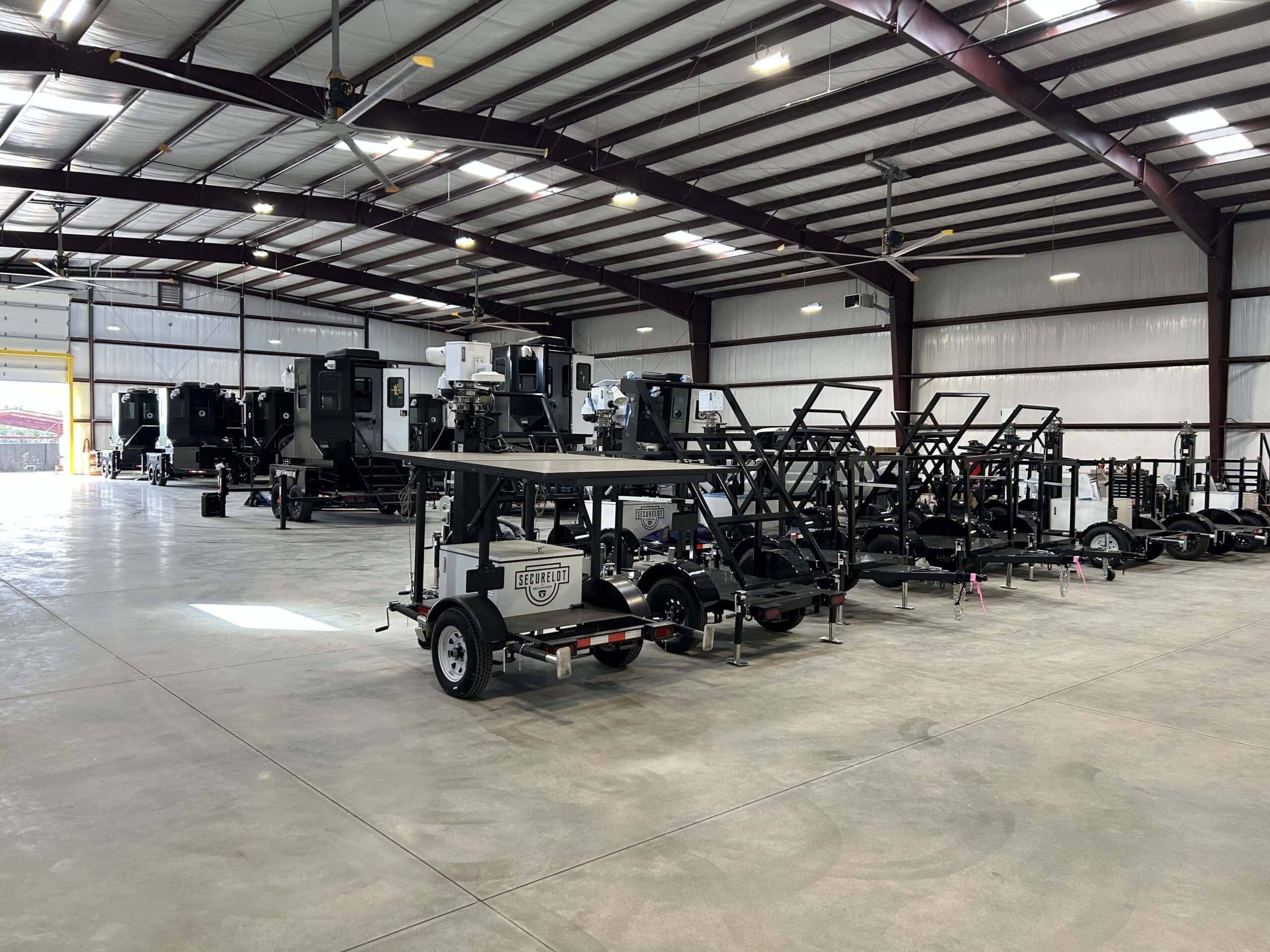
Reconview’s October 7 announcement reports the opening of an 18,000-square-foot production facility in Locust, North Carolina, bringing its operational footprint to 23,000 square feet. The company also describes workforce growth and another storage building under construction. These are supplier statements about capacity inputs, rather than a published count of accepted surveillance units. Read the primary source.
Space is an input to production
Space can remove an assembly constraint without resolving every production bottleneck. Components, testing and trained staff still have to arrive together. A larger campus does not establish the rate at which equipment is completed, inspected and delivered in the configuration a customer ordered.
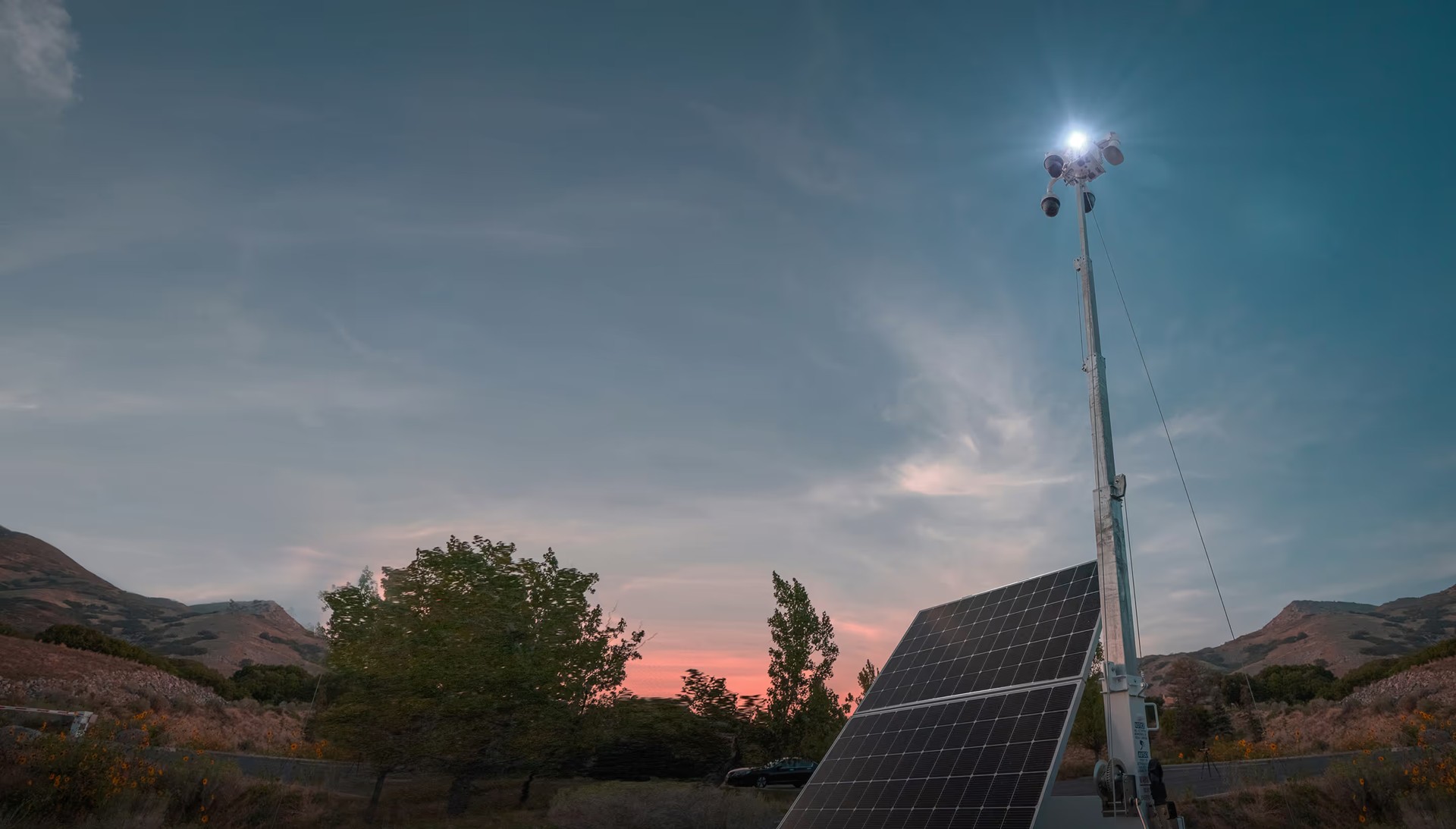
For a surveillance tower or trailer, acceptance should preserve the distinction between hardware completion and a working service. Power, connectivity, cameras and monitoring need to function at the receiving location. A unit that left the factory is not necessarily a unit providing useful coverage at a site.
Include the support obligation
The support obligation expands with the installed base. Replacement parts, fault diagnosis and maintenance capacity matter alongside new production. If those services lag deliveries, a larger fleet can increase the number of unavailable units. A useful capacity account should include both new output and the resources needed to sustain equipment already in use.
Customers can assess the expansion through clearly defined milestones: ordered configurations, accepted deliveries and supported time in operation. Those records should keep any delays and returns visible. A promotional photograph of a production floor can illustrate the facility, but it cannot supply the missing denominator.
Watch accepted output
An order backlog, if disclosed in a future update, would need the same care as a factory-size figure. Demand, production starts and customer acceptance occur at different points in the delivery process. Counting them together can make expansion appear further advanced than the underlying record supports. A useful account would show which milestone each number represents and the period it covers. The October campus announcement does not supply that complete flow, so the analysis treats the additional space as an input to possible capacity rather than a measured increase in accepted output.
Configuration variety can also complicate a simple capacity comparison. Two surveillance units may share a chassis while carrying different power, network or sensing arrangements. A higher unit count does not necessarily represent the same amount of work or the same receiving-site requirement. Customers could ask for delivery experience relevant to the configuration they need, rather than relying only on a company-wide volume. That would connect the manufacturing expansion to a realistic procurement decision while avoiding an unsupported claim that every tower is interchangeable or every site can be served from inventory.
There is a further distinction between a factory inspection and commissioning at the destination. A unit can pass an assembly check while the receiving site still needs a supported power connection, a usable communications path and an agreed monitoring arrangement. The responsible parties should know where factory acceptance ends and site acceptance begins. This is not evidence of a problem at Reconview’s facility; it is the boundary a buyer would need to document before interpreting a shipped unit as an operational service. A complete delivery account would make both milestones visible.
For the wider tower market, additional manufacturing infrastructure could improve choice and responsiveness if it is matched by dependable support. That conditional effect should be tested over a relevant period, with the number and configuration of accepted systems stated. A short burst of output would answer a different question from sustained delivery alongside maintenance of the installed fleet. The most informative follow-up would therefore combine production milestones with customer-supported operating experience. It would show whether the expanded campus changes the availability of useful surveillance coverage rather than simply enlarging the supplier’s physical footprint.
The immediate change is additional announced manufacturing infrastructure. The conditional wider effect is a more dependable supply of deployable surveillance systems as programs grow. That depends on production quality and field support scaling with the building, rather than simply the building becoming larger.
The next evidence is a period of documented accepted output with lead times and support performance attached. That would connect the campus investment to the customer’s real question: whether a supported system can be ready when and where it is needed.
References
Questions, news tips or corrections? Contact [email protected].