A temporary security site may have poor lighting, changing obstructions and limited fixed infrastructure. Combining thermal and visible observation can give a reviewer different ways to understand an event. The practical result depends on how the channels are installed, interpreted and connected to a response, rather than on the presence of a second sensor alone.
LVT’s October 20 announcement integrates Axis Communications’ Q6411 bispectral PTZ camera into its mobile security platform and targets shipments beginning in December 2026. The companies describe thermal-plus-visible person detection for low-visibility conditions and state that the camera is NDAA compliant. This is an integration and planned-availability announcement. It does not publish an independent site trial proving every detection claim or establish that all announced units have already shipped. Read the primary source account.
Thermal observation supplies a different kind of evidence
A thermal channel can reveal heat differences while a visible channel can provide other identifying context. The two should not be treated as interchangeable views or as proof that every object will be detected in every condition. The supplier’s references to darkness, glare and adverse weather describe intended benefits. A useful customer evaluation would specify the actual scene, range, weather and task, then preserve the observations that support its result.
Consider an illustrative after-hours alert near an unlit perimeter. The reviewer may need to know that a heat source is present, where it is and whether another view clarifies the event. This is a proposed assessment scenario, not a disclosed LVT deployment. It shows why a detection claim should lead to an intelligible observation and a decision process. Seeing a heat pattern is different from determining whether a person’s presence is unauthorized.
A PTZ camera also directs attention. Moving toward one event changes the view available elsewhere, while the wider platform may contain other sensors with different coverage. A complete site assessment should identify that arrangement and how the operator recognizes an area that is not currently observed. The announcement does not supply a universal coverage map or establish that adding the camera eliminates every blind spot.
Product compliance and operating effectiveness are separate checks
The source’s NDAA statement concerns a product and procurement attribute. It should not be expanded into a blanket legal determination for every customer purchase or an endorsement of every operational use. A buyer needs the exact offered configuration and the requirements applicable to its procurement. The article preserves the attributed claim without treating it as proof of detection accuracy, privacy compliance or a complete site-security assessment.
December shipment timing is another boundary. Announcing an integration can make a product configuration available for planning while leaving actual delivery and customer acceptance ahead. A later delivery milestone would provide new evidence and should retain its own date. This article does not convert the October release into a claim that mobile units using the new camera are already operating at every cited kind of site.
The platform’s mobile format can reduce dependence on permanent installation, but power, connectivity and maintenance remain part of the service. Sensor benefits need to be tested with the unit’s real energy and network arrangement, not only with the camera in isolation. A customer can ask how the system reports an impaired view or an unavailable connection and which actions remain possible. Those are evaluation questions, not disclosed shortcomings.
An informative operating record would separate detections, verified events, false alerts, missed events and responses, with a stated period and configuration. It could also identify the time reviewers spend reconciling thermal and visible information. These proposed measures would show whether the additional channel improves the security workflow rather than simply increasing the amount of footage. The release does not provide that complete independent dataset.
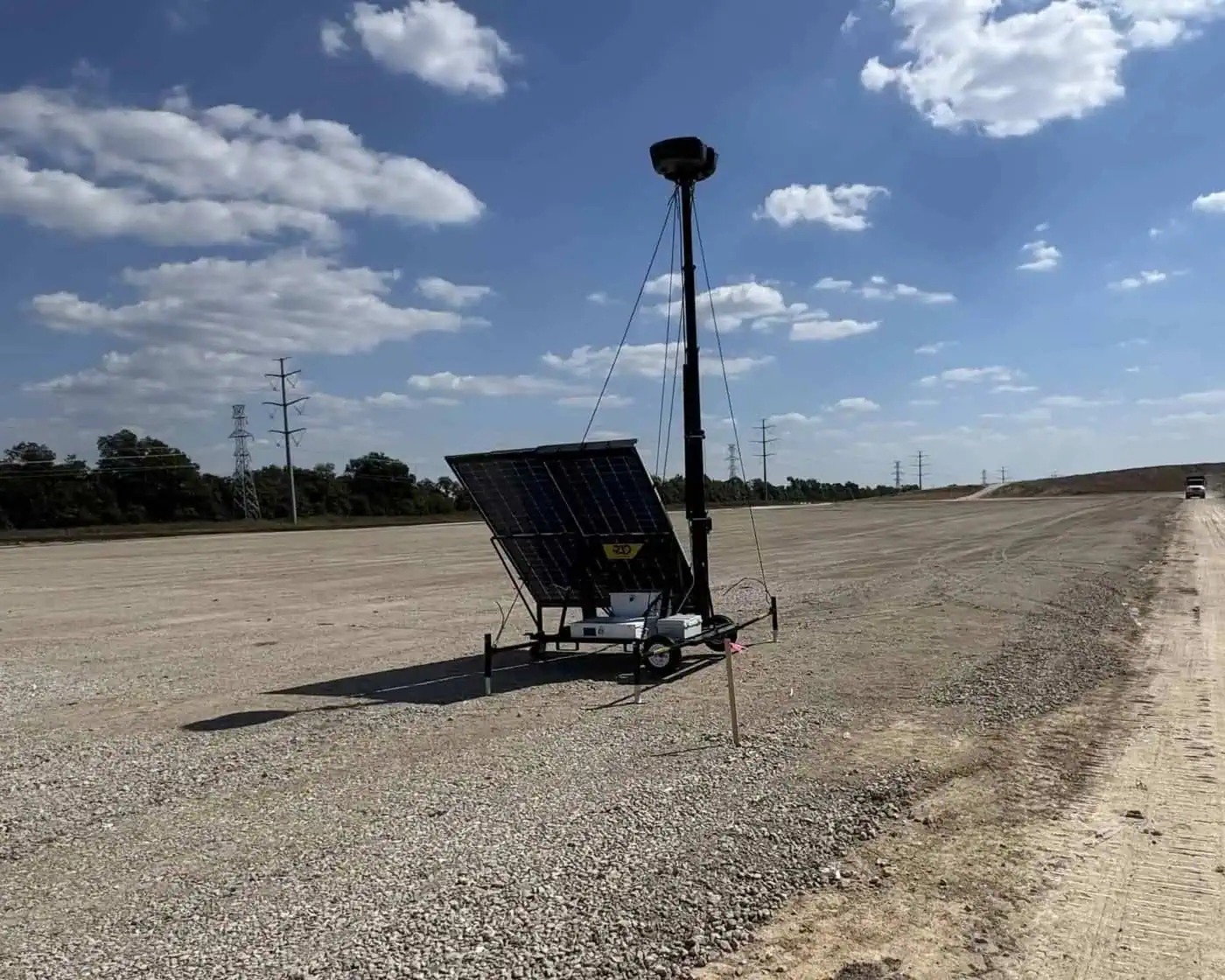
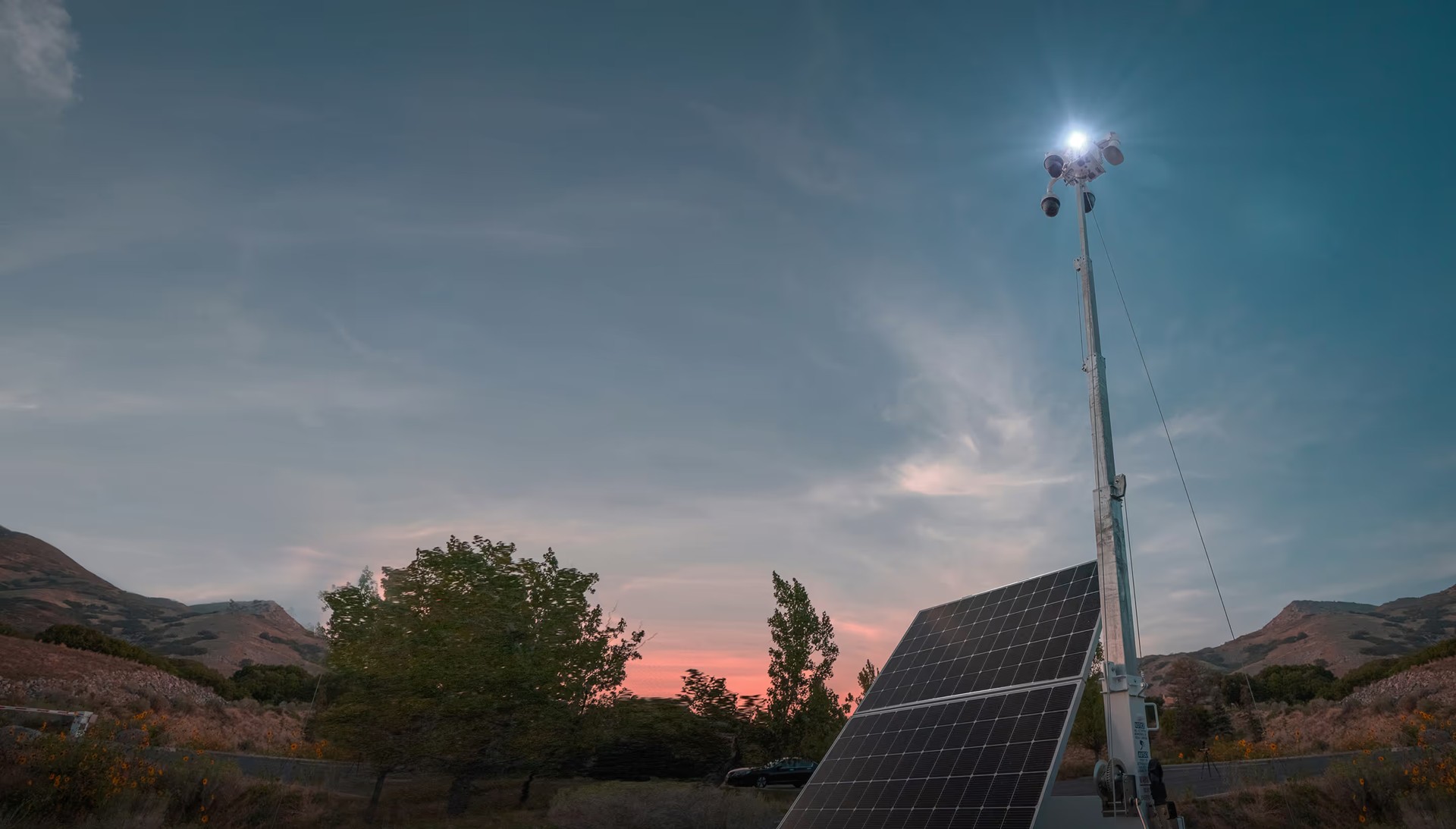
The selected source photograph shows an LVT unit as general hardware context. It is not evidence that the pictured unit contains the newly announced camera, and its date is not presented as a December delivery milestone.
The next evidence is delivery followed by a bounded site account with useful observations and measured operational effects. LVT’s announcement gives customers a concrete sensor option to investigate within a mobile platform. Its security value will depend on whether that option helps people distinguish and respond to relevant events under the actual conditions in which the unit is expected to work.
References
Questions, news tips or corrections? Contact [email protected].