Temporary surveillance often begins at a location that lacks the infrastructure a permanent camera installation takes for granted. Supplying a camera is only one part of the job. The system also needs dependable power, a usable communications path and an available person or service to act on a relevant alert.
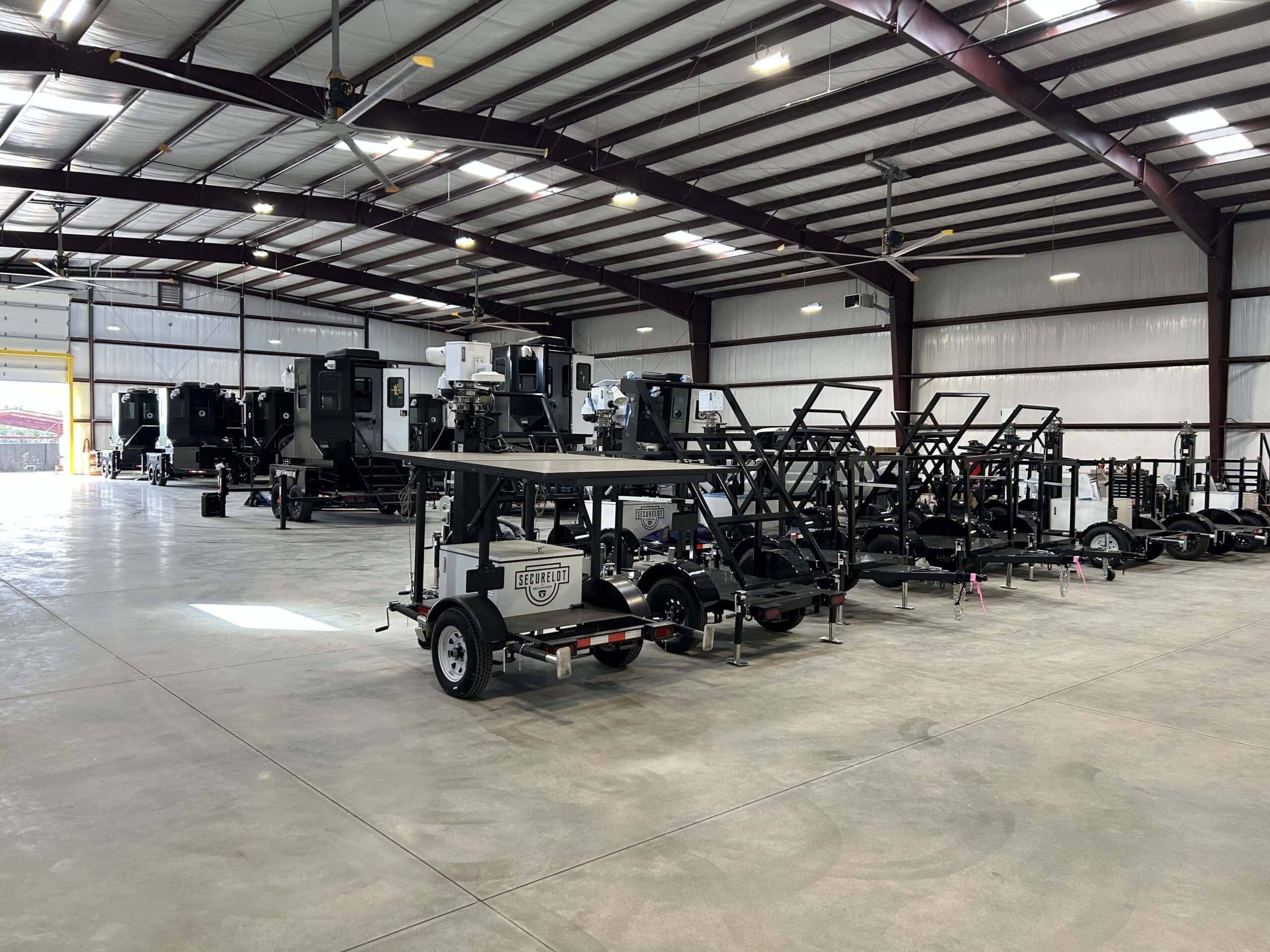
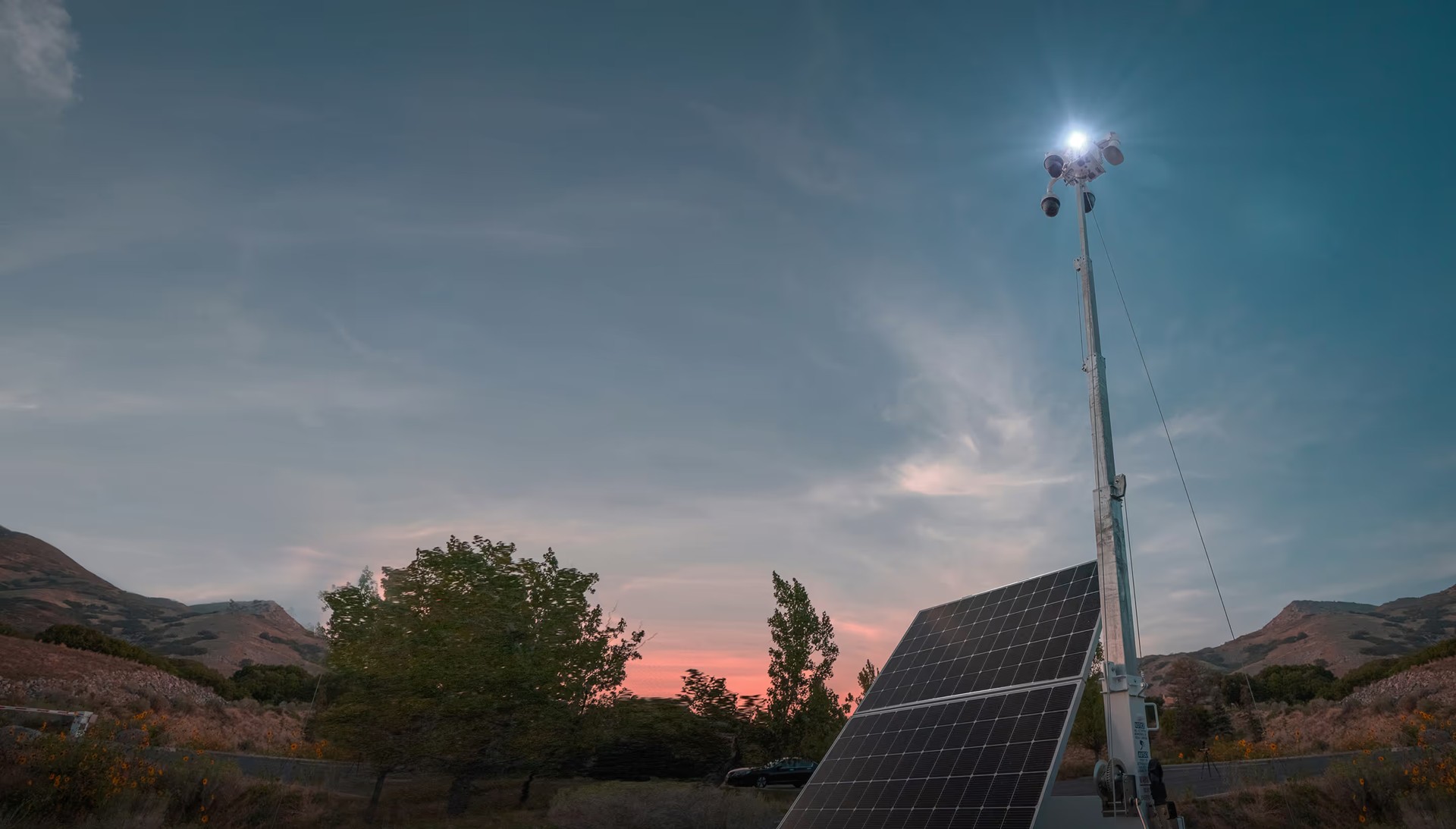
Cloudastructure’s October 20 release introduces a configurable Powered Enclosure alongside its solar enclosure, stand and mobile trailer. The company says all four use the same platform as permanent installations. This is an expansion of its deployable product portfolio, not independent evidence that each configuration performs equally at every site. Read the primary source.
One platform still has different site conditions
A common dashboard can simplify supervision while the physical dependencies remain different. An enclosure using a site’s existing infrastructure may fail for different reasons from an off-grid trailer. Acceptance needs to identify which services the customer supplies and which are included with the product, rather than assuming that platform consistency implies identical resilience.
The useful evaluation follows an event from observation to review. It should establish whether a camera view is usable, whether a notification arrives with enough context and whether a responsible recipient acknowledges it. A detection count without the subsequent handoff describes only part of a security workflow.
Test the whole alert path
Degraded operation belongs in that review. A communications interruption can affect live viewing, notifications and later retrieval in different ways. A receiving team needs to know which functions continue, how missing intervals are represented and what happens when service returns. Those properties should be demonstrated for the actual configuration.
Deployability also includes relocation. A unit moved to a new position faces a changed view and potentially different power or network conditions. Reusing a saved setting does not establish that coverage remains appropriate. A practical commissioning process should make those changes visible to the operator.
Watch continuity and response
A form-factor comparison should begin with the site’s existing services. A customer that already has suitable power and connectivity may evaluate an enclosure differently from one needing a self-contained installation. That difference can change commissioning work and the allocation of support responsibilities even when the monitoring software is shared. The supplier’s expanded portfolio describes a choice of arrangements; it does not establish a single best configuration for every setting. A receiving organization would need a clear statement of what is included before comparing a quoted product with an operating service.
The same distinction applies to stored and live evidence. A system might preserve footage during a network interruption while being unable to deliver an immediate notification. Conversely, a live view might be available without an agreed retention record suitable for later review. Those functions answer different security needs and should be assessed separately. The launch description does not provide a complete, independently verified continuity test for every arrangement. An acceptance record should identify which behavior was demonstrated, with which dependencies, rather than allowing the word platform to erase configuration-specific limits.
The operating agreement should also establish who reviews a notification and how an unhelpful alert is corrected. More detections can increase workload if the receiving team cannot distinguish relevant activity from routine site changes. A useful trial could retain reviewed outcomes, uncertain events and missed intervals while measuring the defined handoff. It should avoid treating an expanding event count as an automatic improvement in security. This is an assessment proposal, not a reported customer result, and it leaves the actual performance of the new enclosure unclaimed until appropriate evidence is available.
The broader economic possibility is to reuse a monitoring workflow across different physical installations without rebuilding every receiving process. That would be meaningful if operators can understand the dependencies of each unit and if support remains accountable when a configuration changes. Common software alone cannot establish that transfer. A documented installation showing commissioning, degraded operation and accepted alert handling would make the portfolio claim more useful to buyers. It would also reveal where an enclosure is sufficient and where a different arrangement remains necessary, without presenting product variety as universal readiness.
The near-term opportunity is another form factor for sites that do not require a complete trailer or solar installation. The wider possibility is a more consistent monitoring workflow across permanent and temporary assets. That benefit depends on configuration-specific reliability and a clear allocation of site responsibilities.
The next evidence is an accepted installation with continuity, alert handling and support documented. A portfolio count measures product choice; the operational question is whether the chosen arrangement supplies useful, accountable coverage over time.
Questions, news tips or corrections? Contact [email protected].