A public plaza needs security without treating every ordinary use of shared space as a problem. Automated detection can direct attention, but the customer must define what conditions justify a warning, review or intervention. The deployment therefore includes an operating policy as well as cameras and software, especially when the same space hosts different activities at different times.
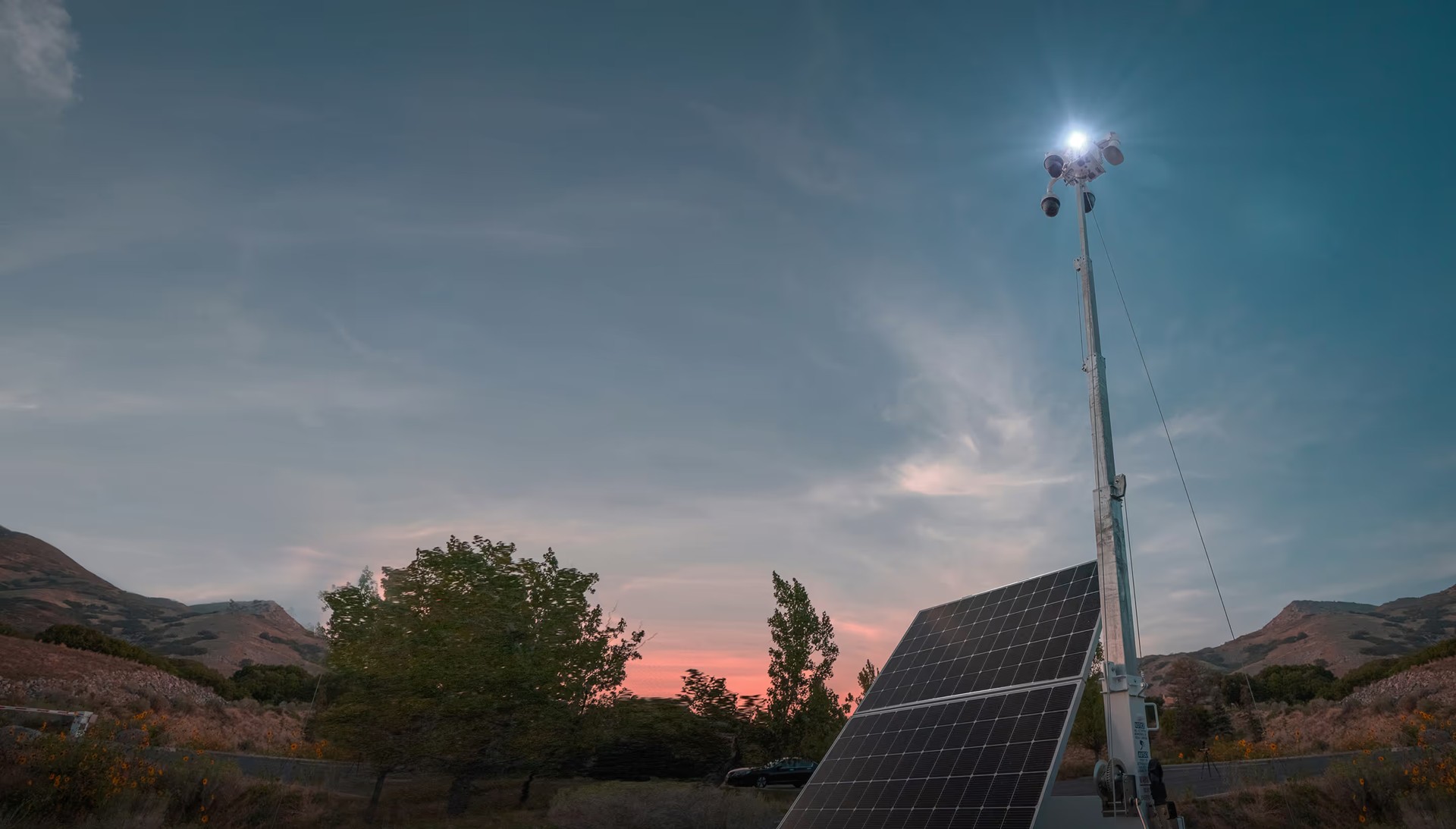
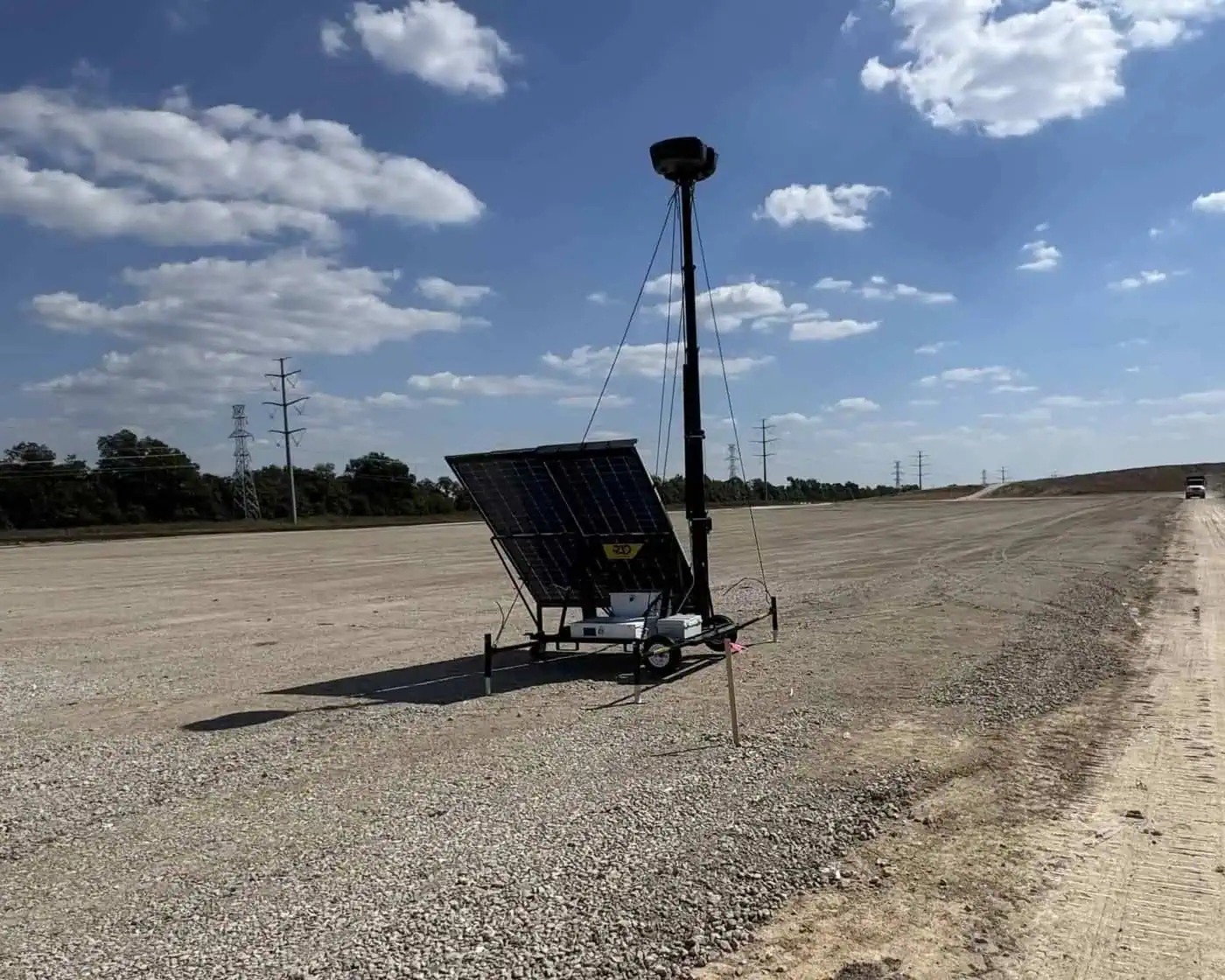
RAD’s October 14 announcement reports an order for seven ROSA units from a new municipal customer in a major Midwest city. The company says a channel partner facilitated the order and the city council approved funding. It describes intended placement around a civic plaza for detection and active deterrence, with SARA included. The release does not identify the city or provide a public contract, completed-installation record or independently measured effect on incidents. Read the primary source account.
An event label is not a complete decision rule
The supplier describes detection of loitering, trespassing and suspicious behavior. Those labels require context before they can justify a response in a public setting. A person waiting for transport or attending an event may remain in the same place for an extended period without creating a security issue. This is an illustrative policy question, not an incident at the unnamed plaza. The technology needs the customer’s legitimate operating instructions rather than an assumed universal interpretation of presence.
The announcement says SARA evaluates detected events and initiates responses according to established instructions, including escalation to designated personnel. That is a described workflow capability, not a published account of the actual municipal rules. A useful implementation record would make clear which responses are automatic, which require human review and who is responsible for updating the instructions as plaza use changes. The source does not disclose that complete configuration.
An illustrative event could begin with a camera detecting activity outside an expected schedule. The useful next step may be verification rather than a warning, particularly if the schedule has changed. A system that acts on an outdated rule can create work even when the underlying detection is accurate. This example explains why configuration maintenance matters; it does not claim the ordered units have made such an error.
Public accountability needs records beyond an order
Council participation is a concrete purchasing detail in the supplier’s release. Without the identified city or public procurement record, however, readers cannot independently inspect the funding decision or the scope of the approved arrangement. The article therefore keeps that claim attributed and avoids inventing a contract value, deployment schedule or local policy. A later municipal account could provide a stronger basis for understanding how the technology fits the city’s actual public-space objectives.
A useful operating evaluation would separate detections, verified events, warnings, escalations and outcomes. It should also record incorrect alerts and complaints, rather than using device count as a proxy for public benefit. These are proposed measures, not a dataset supplied by RAD. An automated warning can be technically delivered while still being unnecessary, so the customer’s evaluation needs both system behavior and the appropriateness of its use.
The seven-unit order also raises coverage questions. More cameras do not automatically produce complete visibility, and overlapping views can create duplicate events if the workflow does not reconcile them. A site plan should identify the areas observed, the conditions under which views are impaired and the process for recognizing a failed device. The announcement does not publish a tested plaza coverage map or establish a particular detection probability.
Channel support remains part of the implementation. A partner can help install and maintain the equipment while the municipality retains responsibility for its response policy. A useful service arrangement identifies who handles physical faults, software changes, alert review and requests for records. Those roles may be agreed privately, but the public order announcement does not establish all of them. They should not be assumed to disappear because the system can issue a warning automatically.
The next evidence is an identified, accepted deployment with clear response rules and a measured operating record. The October order adds a distinct municipal customer to RAD’s announced activity. Its wider significance will depend on whether the configured service supports appropriate, accountable responses in a shared public space, with effectiveness assessed through verified outcomes rather than purchasing volume alone.
Questions, news tips or corrections? Contact [email protected].