A security approach that works at one property may need a different arrangement at the next. Access patterns, lighting, connectivity and the people responsible for responding can all change. A repeat order is therefore a useful commercial signal, but the operational question is whether the service can be configured and supported again without assuming that the two sites are equivalent.
RAD’s September 30 announcement reports an additional order for one RIO 360 from an existing global healthcare technology customer, following an earlier order that month. The company says the systems are intended for separate locations to deter after-hours trespassing. It does not name the customer or publish an independently measured incident comparison. The development is a repeat order with a stated purpose, not proof of completed installation or a quantified reduction in trespassing. Read the primary source account.
A second location has its own operating conditions
The source places the two orders 15 days apart. That timing shows a sequence of purchasing decisions without supplying the observation period or evidence behind the customer’s decision. A reader should not infer a controlled trial from the short interval. The company’s interpretation that one location can lead to expansion is a plausible commercial model, while the reasons and measured results for this particular customer remain undisclosed.
An illustrative after-hours deployment would need to distinguish expected personnel, deliveries and activities from conditions requiring review. The relevant rule may vary between two healthcare-related properties even when they use the same hardware. This is a proposed configuration question, not an account of the unnamed sites. A system intended to deter trespassing needs the customer’s actual access expectations and escalation instructions attached to the deployment.
The term healthcare also does not identify a single type of environment. A hospital entrance, a manufacturing property and a parking area can have different public-access and response needs. The release refers to a healthcare technology customer and separate locations; it does not establish that the units are protecting patient-care areas or performing clinical functions. The article does not infer a medical benefit from the security order.
Count the response work alongside the device
The company frames the intended use as deterrence without traditional guards at those locations. That should not be read as a complete staffing comparison. Alerts, remote review, maintenance and any physical response still need an accountable arrangement. The public release does not disclose all those responsibilities. A useful follow-on would show how the service handles an event from detection through resolution, including the work retained by the customer.
For an illustrative evaluation, the customer could record attempted detections, verified events, warnings issued, escalations and outcomes over a defined period. A warning that coincides with a person leaving is not automatically proof that an incident was prevented. Conversely, a system can provide useful evidence even when another responder is required. These are distinctions for measuring a service, not claimed results for this RIO 360 order.
An unnamed customer also limits external corroboration. Readers cannot match the release to a disclosed procurement record or compare the stated objective with the receiving organization’s account. That limit should remain visible rather than being filled with assumed details. A later permissioned case could establish the site configuration, deployment stage and measurable effect without revealing sensitive operational information. The current source supports the narrower commercial milestone.
Repeatability includes support. Moving or adding a unit can require another coverage review, network check and set of response instructions. A hardware family may simplify that process while still leaving site-specific work. The useful evidence would identify what transferred unchanged from the first location and what had to be adapted. The announcement does not publish that implementation record, so a repeat order should not be treated as proof of a standardized, effort-free rollout.
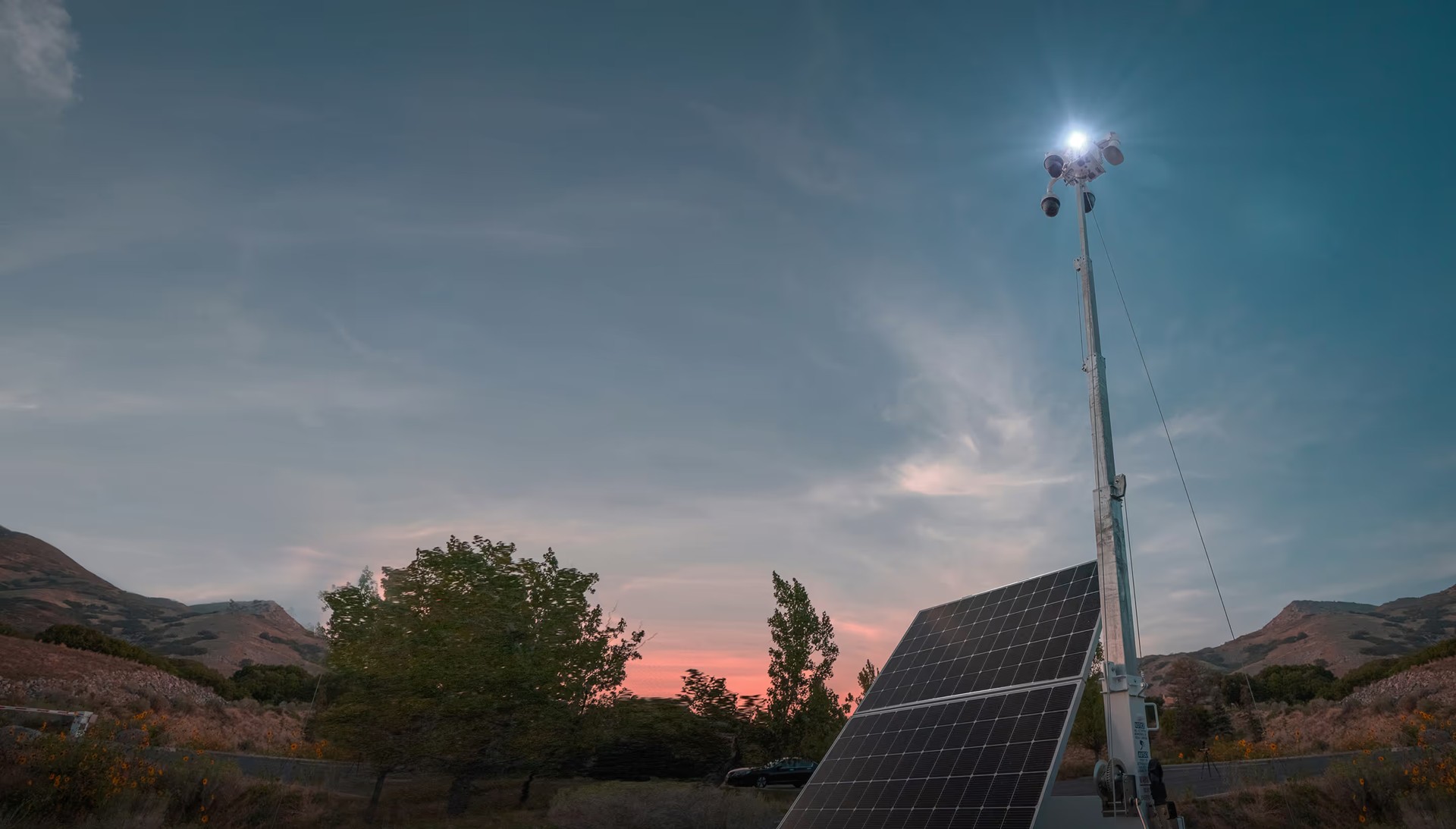
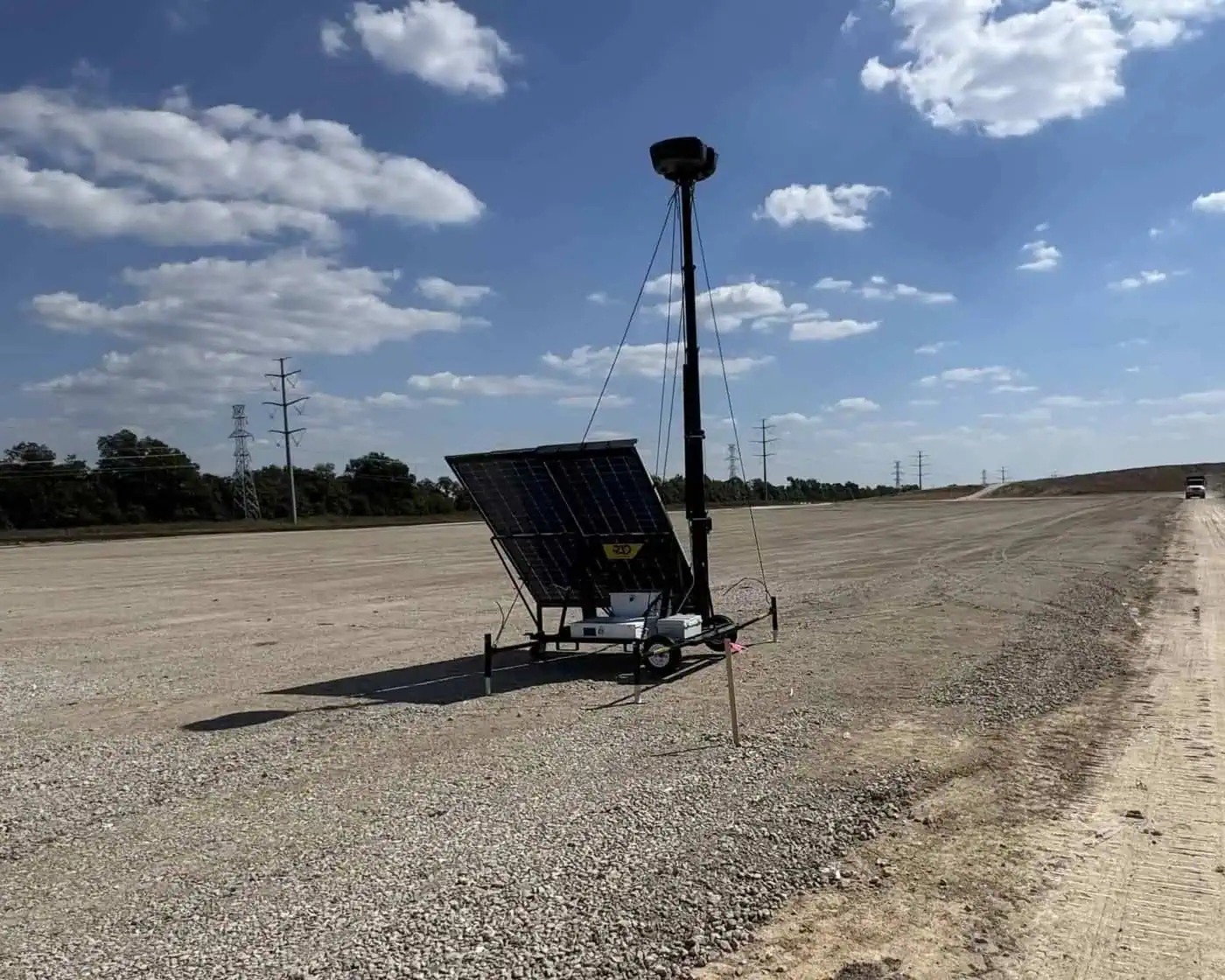
The image likewise remains context: it shows RIO hardware in a construction setting rather than either unnamed healthcare location. That distinction prevents a source product photograph from becoming an invented record of the reported customer order.
The next milestone is an installed and accepted second-site service, followed by evidence about verified outcomes and total review workload. The September order adds a distinct development to RAD’s healthcare activity while leaving its performance claims bounded. If the operating model transfers well, expansion could indicate a repeatable security service. The purchasing decision alone establishes demand, with the operational result still requiring its own evidence.
Questions, news tips or corrections? Contact [email protected].