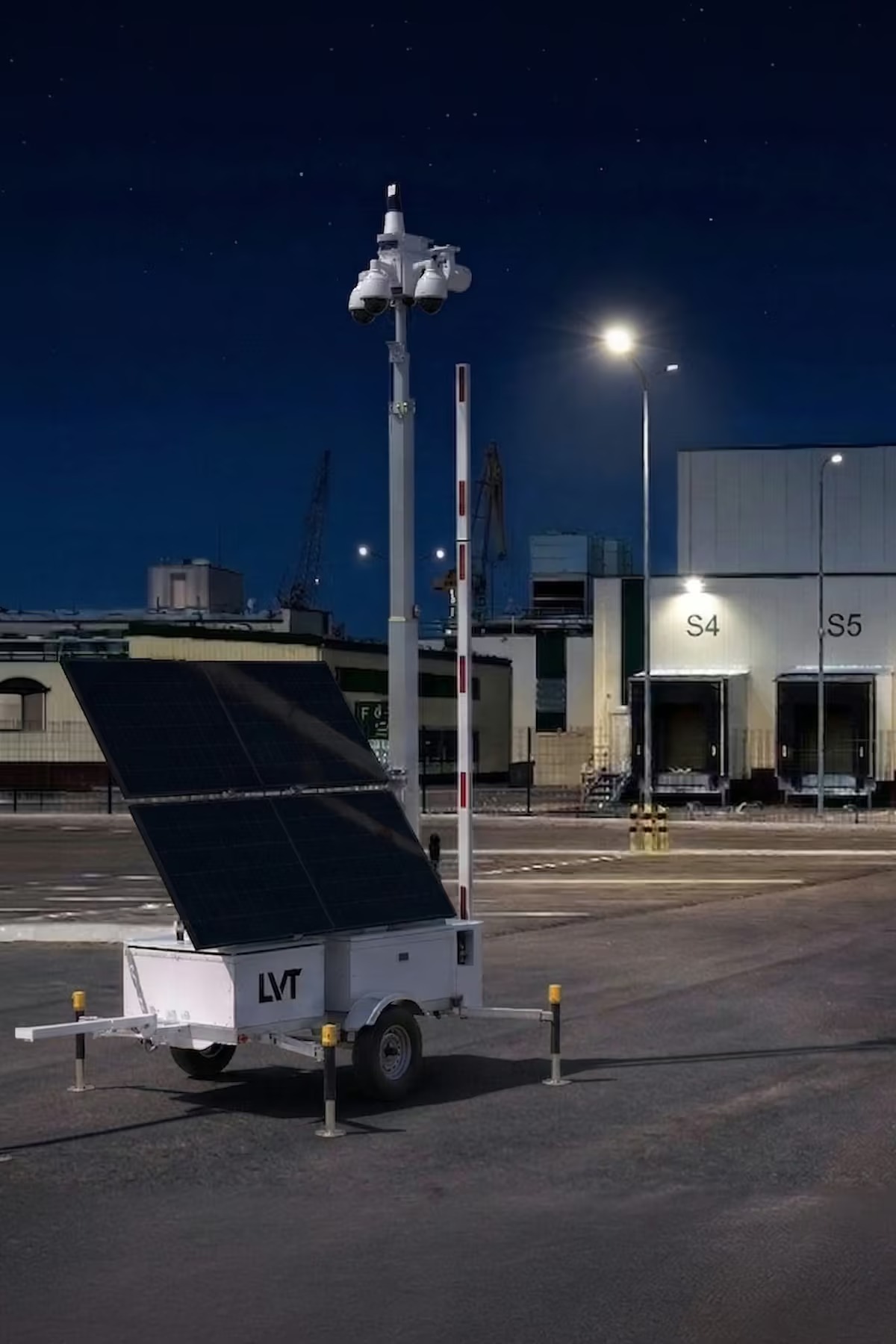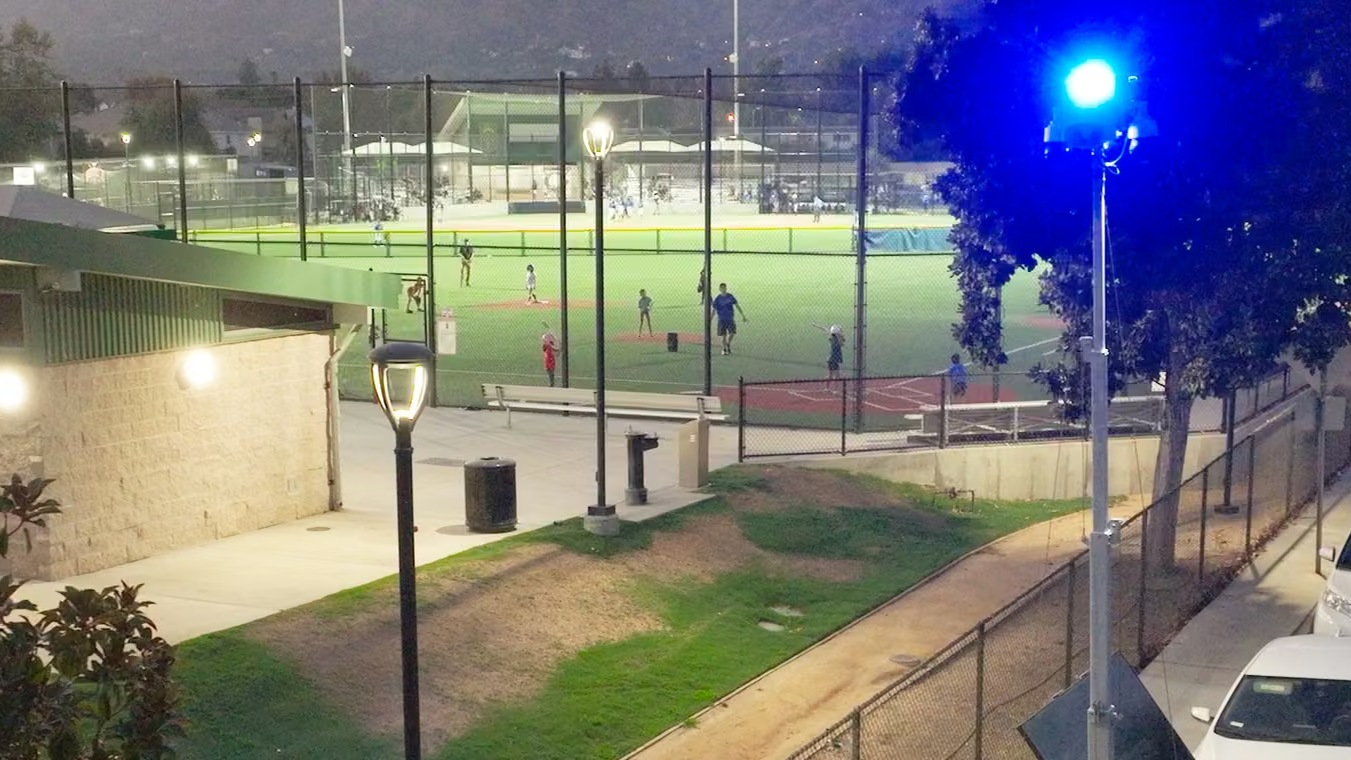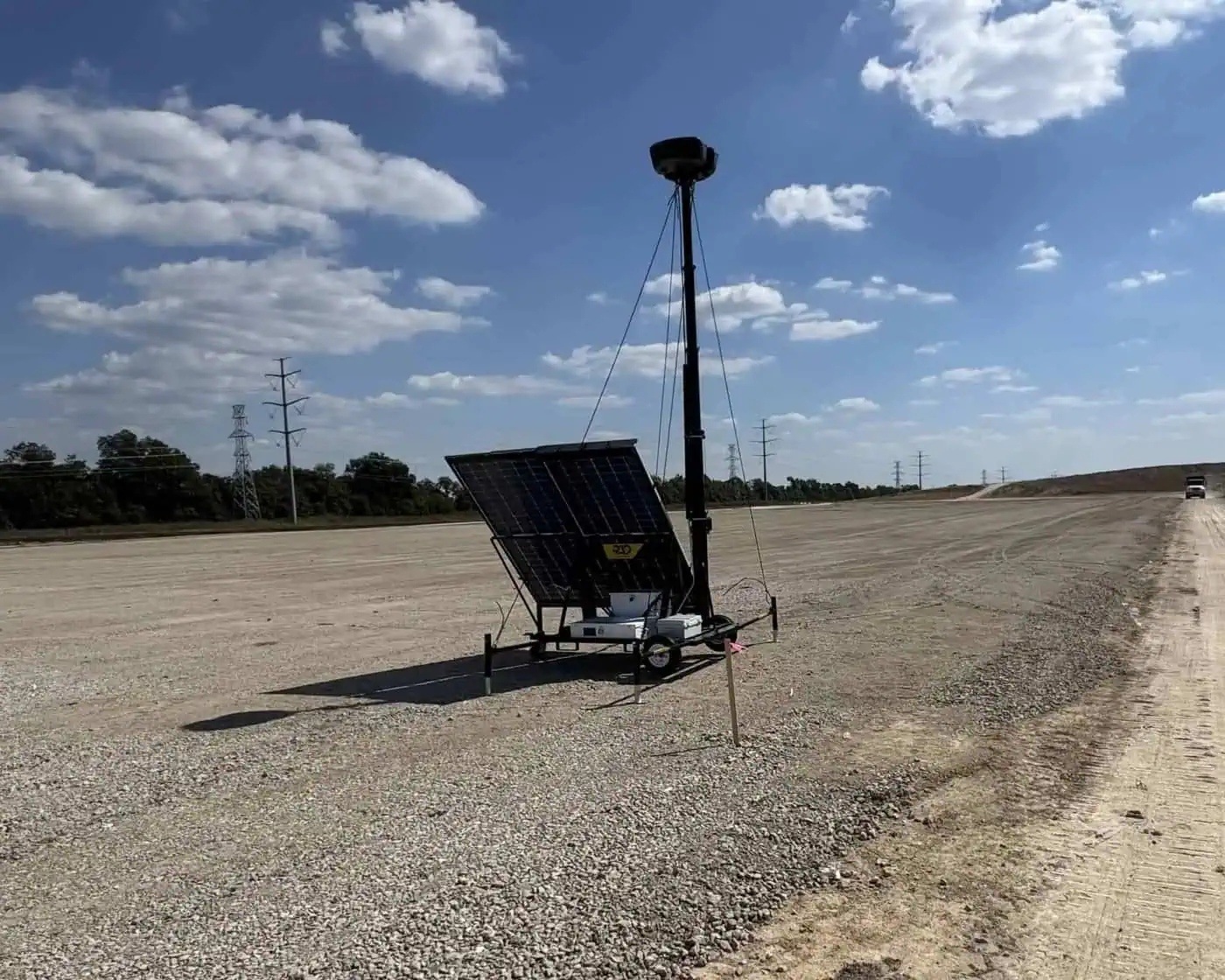
A security tower's position can matter as much as the capabilities listed on its specification sheet. Obstructions and blind spots change what it can observe. Adding a unit may be useful because it improves the geometry of coverage, even when the detection software itself has not changed.
AITX reported on October 7 that its RAD subsidiary received another RIO 180 order from an existing property-management customer. The release describes repositioning an existing unit and adding another to improve coverage at a vacant property. It says cumulative customer orders approach two dozen units; that total is not a verified count of active systems. Primary source.
A repeat order is evidence of a purchase
The announcement establishes continued purchasing by one customer. It does not establish a broader adoption trend or independently demonstrate that incidents fell because of the equipment. A useful assessment keeps the commercial milestone separate from the operational result.
The placement detail is nevertheless informative. It points to a deployment process in which coverage is reviewed and adjusted. A site survey and an accurate map of observable areas may reveal more about the proposed service than a generic claim of continuous monitoring.
Coverage needs a response path
For a property operator, the practical questions include which areas remain obstructed, how conditions change after dark, and who receives an event that needs attention. An additional camera view has limited value if nobody is responsible for reviewing or acting on it.
Evaluation should include periods when power, connectivity or service is degraded. Reporting only detections during successful operation can conceal gaps in the overall service. The denominator should include the time and area the deployment was meant to cover.
Define coverage before measuring results
A property owner could begin by documenting what the deployment is meant to observe and what requires a response. A general statement that a building is monitored leaves too much room for disagreement after an incident. The intended area, operating periods and review arrangements create a more useful reference. They also make it possible to distinguish a gap in the agreed coverage from a detection error within an area the system was expected to observe.
Repositioning a unit should be treated as a change to that coverage, rather than an administrative detail. A better view of one approach may reduce visibility elsewhere. The operator can compare the revised layout with the original requirements and record why the tradeoff was accepted. This does not demand a single universal placement rule. It demands a traceable explanation of how the actual deployment supports the particular service promised at that property.
Distinguish purchasing from effectiveness
Repeat purchasing can be a useful commercial signal without revealing why the customer bought again. A new property, a temporary requirement or a change in service arrangements could all contribute. The announcement does not provide the information needed to isolate those explanations. Readers should therefore avoid using the order history as a substitute for a customer evaluation, while still recognizing that a documented purchase is more concrete than an uncommitted expression of interest.
An effectiveness study would require a different record. Incident definitions, observation periods and changes in the site would need to be considered before drawing a causal conclusion. An apparent reduction after installation could coincide with changes in occupancy, staffing or other conditions. Those possibilities do not show that a tower is ineffective; they explain why a before-and-after count alone may be insufficient to attribute the result to the equipment.
For an operator making a near-term decision, service reliability may be the most accessible evidence. Logs can show whether alerts reached the responsible team, how long review took and whether unresolved events were carried forward. A deployment can improve those processes even before a broader outcome study is available. Keeping that narrower improvement clearly labeled would allow useful evidence to accumulate without turning every purchase or successful alert into an unsupported claim about overall crime prevention.
Mobile towers can make coverage easier to revise as a property changes. Whether that produces a better security outcome depends on the combination of placement, observation and response. The next evidence to watch is a documented coverage and incident review, rather than interpreting cumulative orders as proof of effectiveness.
Source organization: Robotic Assistance Devices. Source statements are attributed; operational implications and suggested evaluation criteria are editorial analysis.
Questions, news tips or corrections? Contact [email protected].