A longer observation route changes more than the aircraft selected for it. A public-safety or infrastructure operator also needs reliable tasking, communications and a clear account of when a person must intervene. Moving autonomy software between aircraft does not automatically carry those operating assumptions with it.
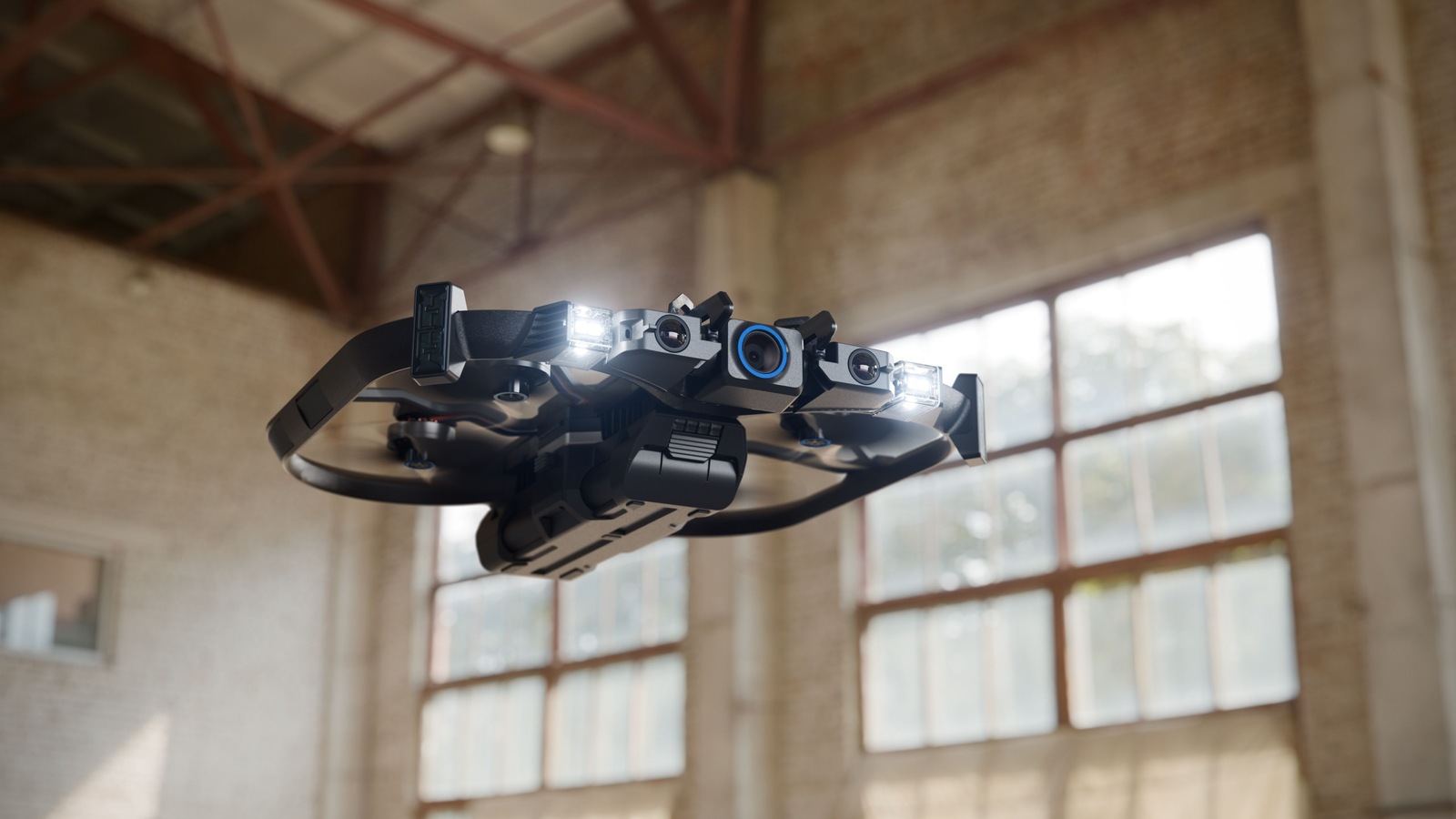
Palladyne AI and Orkid Tech announced an August 19 partnership to bring Palladyne Pilot and SwarmOS to Orkid's fixed-wing vertical-takeoff-and-landing aircraft. The companies identify public safety, wildfire monitoring and infrastructure applications alongside defense uses. The announcement describes an integration program, rather than a completed civil service authorization. Primary source.
Portability needs evidence
The important question is how much of an autonomy stack can remain common when the vehicle's motion and mission change. A shared task interface could reduce integration work. It would still need to account for the aircraft's constraints and the consequences of interrupted communications or incomplete observations.
For a buyer, a partnership announcement is a reason to examine the integration plan. It is not a substitute for an acceptance test. Demonstrating a component and demonstrating the complete service under representative conditions answer different questions.
A useful civil evaluation
A security operator could ask for evidence about a bounded inspection or observation task: how much human supervision it required, whether the delivered data was usable, and how exceptions were handled. Those results should be reported separately from nominal endurance or software feature lists.
Civil aviation permissions are another independent dependency. Technical capability should not be described as permission to conduct a particular flight. The approved operation, location and supervision arrangement have to match the service being proposed.
Define the integrated task
An evaluation should specify the task before selecting a headline metric. For a wildfire-observation service, for example, a completed flight would be different from timely delivery of a usable observation to the responsible team. For an infrastructure inspection, the useful result might require coverage of a defined asset list. These are illustrative evaluation choices, not reported outcomes from the partnership. They show why a generic autonomy demonstration cannot establish suitability for every application named in a release.
The human role should be described with comparable precision. One person supervising several aircraft may still need assistance with planning, reviewing observations or recovering equipment. Counting only the person at the control interface would omit part of the operating model. A buyer could request a task-level account of all personnel involved, the circumstances that required intervention and the work that remained after the aircraft landed. That would make labor comparisons more interpretable.
Changes need an owner
A platform partnership also raises a support question: which organization is responsible when a mission fails across the boundary between aircraft and software? Customers should be able to identify the supported configuration and the process for diagnosing a problem. That does not require either supplier to own every component. It requires an agreed route for resolving faults without leaving an operator to reconcile competing explanations from vendors while the service remains unavailable.
Software portability can be evaluated through change rather than demonstrated only in an initial installation. An updated payload, aircraft configuration or autonomy release may require new checks. A useful integration record would identify which assumptions remain valid and which need reconsideration. The purpose is to preserve the meaning of earlier evidence as the system evolves, rather than assume that a result measured on one combination automatically applies to every later version carrying the same product names.
Longer routes may also change the relationship between data collection and useful delivery. A mission can collect relevant observations yet deliver them too late or without enough location context for the recipient. Operators can test that information path independently of flight completion. Keeping aircraft performance, autonomy behavior and information usefulness as separate measures would help determine whether the partnership creates a better service or simply combines capabilities that still need substantial operational integration.
If integration succeeds, a common autonomy layer could make it easier to select an aircraft for the mission rather than rebuild the entire workflow around each vehicle. The next meaningful milestone is a documented integrated evaluation, with intervention rates and limitations visible enough for operators to judge the fit.
Source organization: Palladyne AI. Source statements are attributed; operational implications and suggested evaluation criteria are editorial analysis.
Questions, news tips or corrections? Contact [email protected].