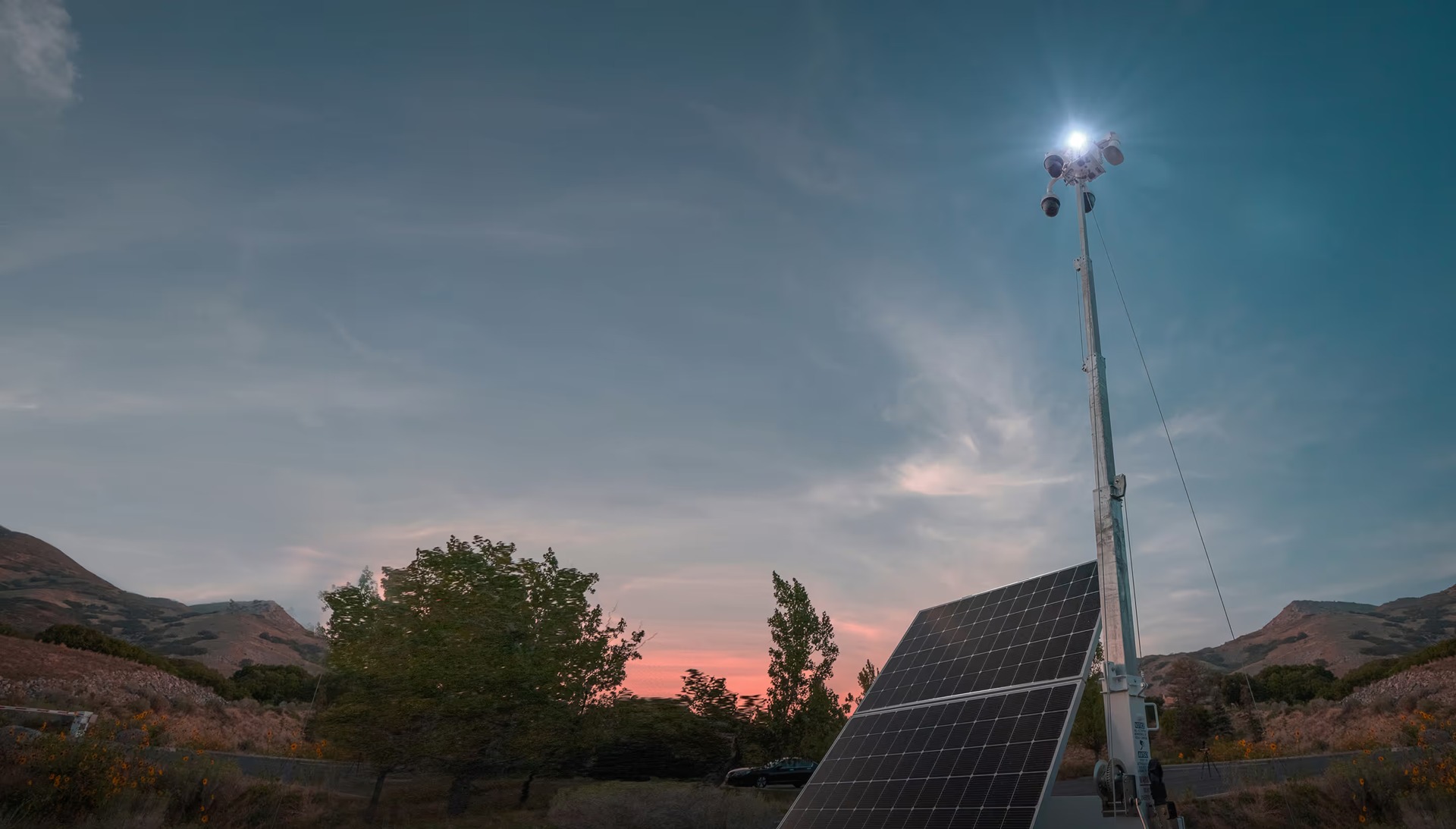
A surveillance tower can have an adequate camera and still be unavailable when ice, power constraints or poor communications interrupt the installation. A remote deployment must be assessed as a complete service through the conditions in which it is needed.
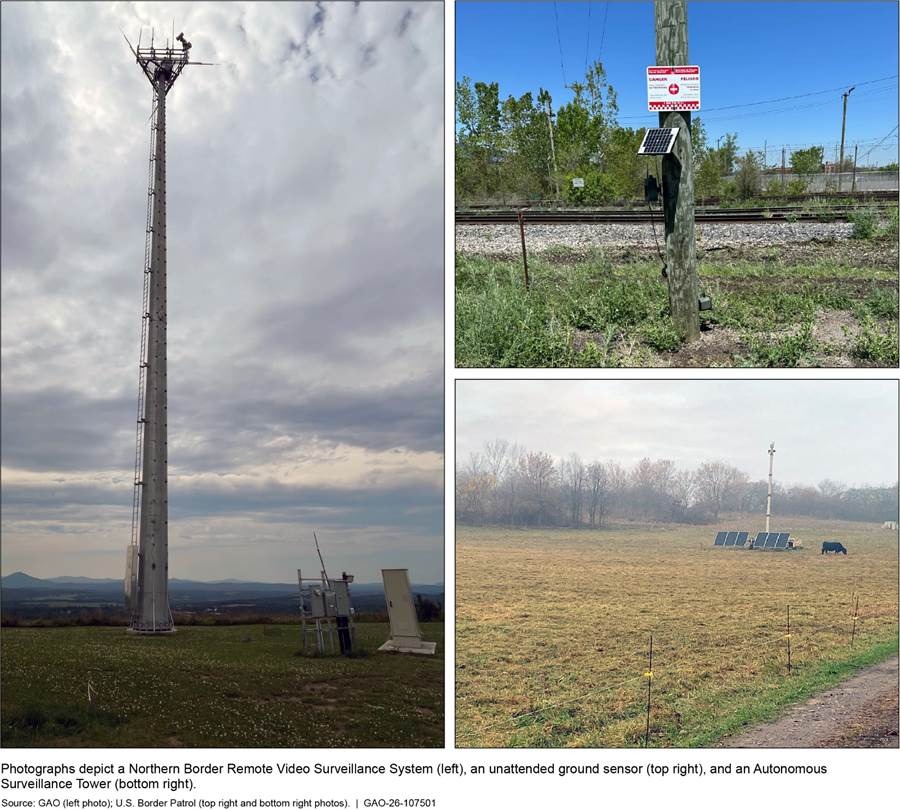
CBP’s August Northern Border integrated-surveillance-tower request for information, reproduced in the linked government-document copy, asks about autonomous systems for an initial Grand Forks setting. It covers structures, power, sensing, communications and support, and describes a possible no-cost demonstration. It is market research rather than an award. The reviewed document does not establish that the proposed demonstration occurred.
Weather testing needs the whole installation
Environmental performance is not just a rating on the camera enclosure. A useful record includes energy availability, communications interruptions, obscured views and the work required to restore operation. A system that recovers only after a site visit has a different support burden from one that recovers remotely.
The request’s distinction between detection, classification and tracking also matters. A system may notice movement without providing enough information to characterize it. Reporting those stages separately avoids turning a detection count into a stronger claim.
Look for results after the proposal
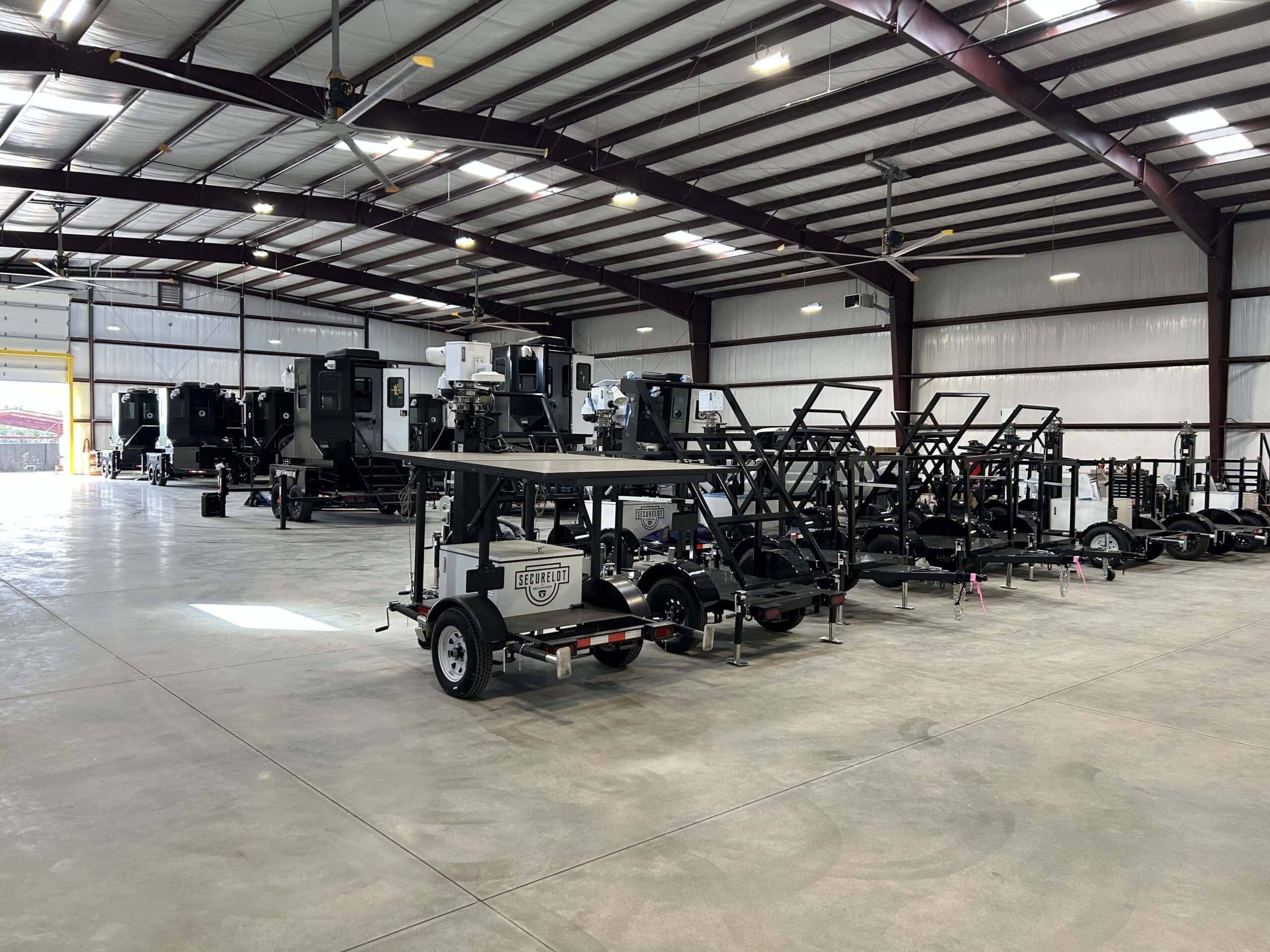
The next evidence should identify the tested configuration and actual observations under representative conditions. A proposed acquisition scale is not a delivered inventory, and a vendor’s interest does not demonstrate qualification.
The document provides a useful set of questions for remote tower programs. Their answers require test records, availability evidence and a support plan that remain meaningful beyond a favorable demonstration day.
Original source and reported conditions.
A requirement is not a reported result
The source uses a request-for-information format because the agency is gathering information about possible solutions. Performance objectives in that document describe what the government wants to learn or acquire. They are not measurements already achieved by a named vendor. Preserving that distinction is particularly important when a document includes a possible future quantity or acquisition timetable.
The same caution applies to the proposed demonstration period. A planned window does not establish that equipment was installed, that the test ran as intended or that the agency accepted a result. Those conclusions require later records. This article examines the published requirements and the questions they raise; it does not fill the gap with assumptions about subsequent events.
Supportability connects the subsystems
Power, communications and sensing interact. A camera may perform as expected while the installation cannot deliver its output to a reviewer. A communications link may remain available while environmental obstruction prevents a useful view. Reporting only one subsystem’s uptime would conceal those differences. A service-level account should distinguish equipment availability from usable observation.
Maintenance is part of that account. Remote sites can make a simple repair expensive or slow, and a system that recovers automatically from one fault may still require a visit for another. A demonstration should record those interventions and the conditions that triggered them. That provides a more informative basis for acquisition planning than reporting only that the installation operated during selected favorable periods.
The result should inform an acquisition decision
Market research is valuable when it turns broad requirements into choices the agency can evaluate. The evidence should help identify which capabilities are mature, which need development and which depend strongly on the site. It should also make clear where a promised reduction in operator burden merely shifts work to maintenance or review staff.
For readers outside the procurement, the next useful documents would be a public test summary, a refined requirement or an actual solicitation and award. Until then, the RFI is evidence of a question being asked, not of a program being completed. That limitation does not make the document unimportant: it reveals how an agency is framing the relationship between autonomous detection, remote infrastructure and the people responsible for acting on the information.
An acquisition assessment should also preserve the difference between a failed test and a test that could not be completed. The first may reveal a capability limit; the second may reveal a problem with infrastructure, conditions or the evaluation process itself. Both can inform requirements, but they should not be collapsed into one score. For a remote tower program, this distinction helps connect the technical evidence to a realistic support model and gives decision-makers a clearer account of the uncertainty they would carry into a future contract.
Questions, news tips or corrections? Contact [email protected].