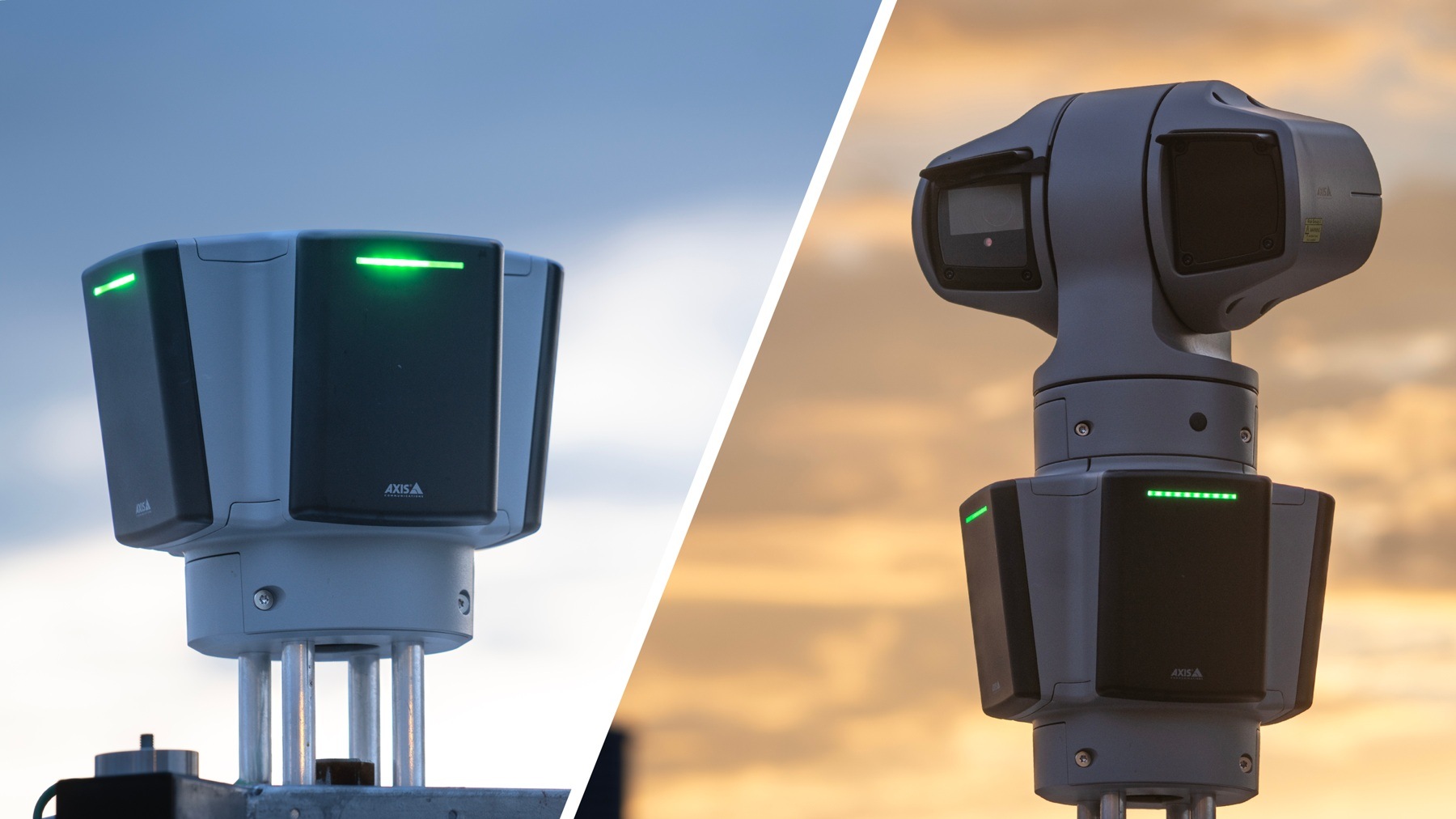
A border-observation installation is useful when its information can be interpreted and acted on in time. Deploying equipment creates the opportunity to improve awareness, but the value of that opportunity depends on coverage, communications and the work of the personnel receiving the observations.
Latvia’s National Armed Forces announced on November 2 that the first new mobile observation unit had been placed at the state border in Krāslava municipality. The official account says the equipment is intended to support visual and audio identification of activity and is undergoing testing in real conditions. It describes cooperation with the State Border Guard and other responsible institutions. The notice does not identify a manufacturer, publish detection ranges or state that the unit makes autonomous classifications. Read the primary source account.
A field test should connect observation to response
The installation provides a concrete point at which to examine the chain from sensing to action. An image or sound can be technically available while remaining difficult to interpret. A useful evaluation would distinguish whether activity was observed, whether staff understood it correctly and whether the information reached the appropriate team soon enough to matter.
Those stages require different measures. Camera availability is a maintenance measure; correct interpretation is an operational measure. Response time adds staffing and communications dependencies. Combining them into a single success claim would hide where improvements are actually occurring.
Mobility creates choices and obligations
A mobile unit can potentially be repositioned as requirements change. Every new location, however, changes the viewing geometry, nearby obstructions and connection requirements. A useful deployment record should preserve those conditions so that performance at one site is not casually generalized to another.
The official description is also too limited to establish how automated the observation process is. It would be premature to present the equipment as an AI tower or an autonomous border-enforcement system. Its verified role is as a mobile observation installation being tested for border surveillance.
State what the test is intended to establish
An evaluation phase is more informative when its questions are explicit. Availability, image usefulness, communication continuity and staff response are separate attributes. A unit can perform well on one while exposing a weakness in another. A published summary need not reveal sensitive deployment details to distinguish the kinds of outcomes being assessed and the limitations that remain.
The release’s reference to visual and audio identification also deserves careful reading. It describes the information the equipment is intended to provide, but does not specify the degree of automated interpretation. A human reviewing a feed, a system proposing a classification and a system initiating an action are different operating arrangements. The available notice does not justify choosing one of them on the reader’s behalf.
Field conditions matter because a mobile installation’s surroundings can change. Visibility, vegetation, nearby activity and equipment access affect how useful an observation point becomes. An evaluation should preserve enough context to explain why an outcome occurred. Otherwise, both a positive and a negative result can be misleading when transferred to a different location.
Cooperation between institutions can improve the chance that an observation reaches the right personnel, but it also requires a clear handoff. The receiving team needs to know the time and source of an observation and whether it has already been reviewed. Those operational questions are relevant even if the system contains no advanced AI. They explain why an initial installation is a meaningful step while leaving its eventual service contribution open.
Maintenance access is another part of a field trial that a sensor specification cannot settle. Personnel need to inspect, service and restore the installation without creating an excessive support burden. A test summary could distinguish planned maintenance from unplanned downtime and explain whether relocation changes those demands. Those observations would be relevant to decisions about adding more units even without publishing sensitive performance figures. The present announcement does not provide such a maintenance record. Its significance is that an initial installation now creates a setting in which these operational requirements can be examined under real conditions.
The immediate development is a first field placement with an explicit evaluation phase. The longer-term question is whether the equipment improves the quality and timeliness of information available to personnel. Published testing criteria, availability results and clear responsibility for interpreting observations would help readers assess that contribution without inferring capabilities from the hardware’s presence alone.
Source organizations: Latvian National Armed Forces.
References
Questions, news tips or corrections? Contact [email protected].