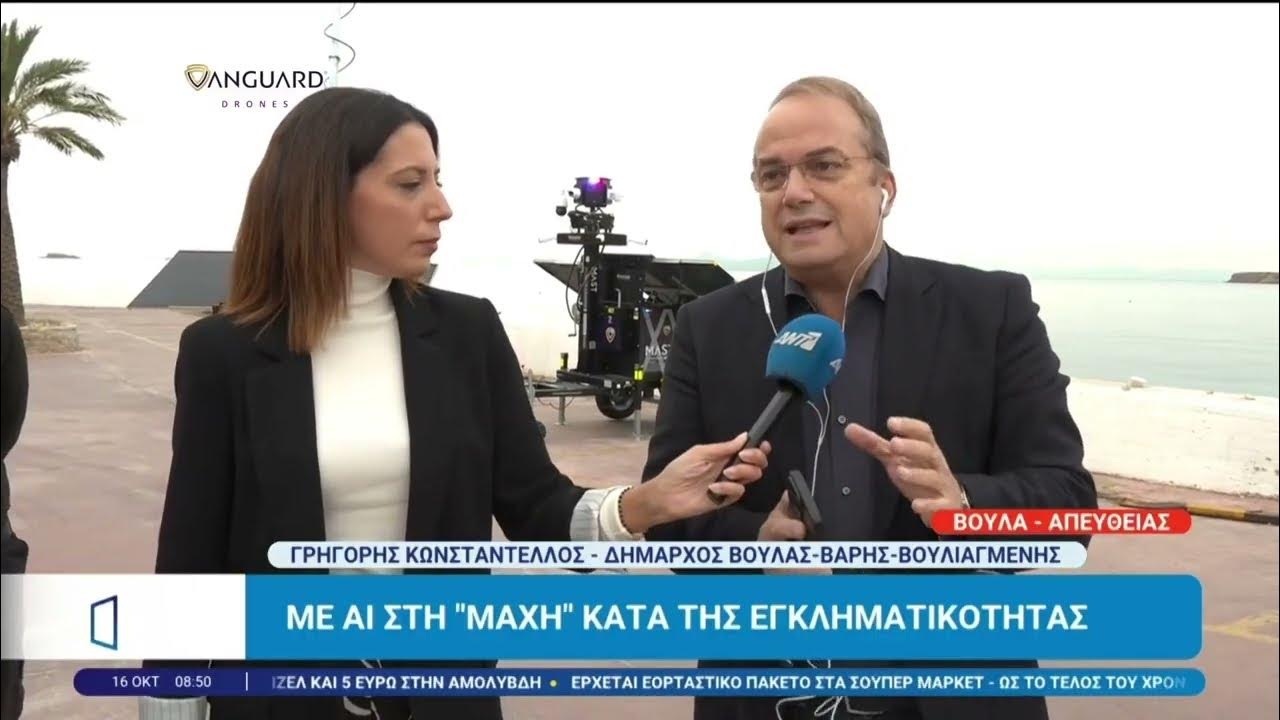
A security installation can become poorly placed as a construction site changes. The entrance moves, stored equipment shifts and a useful camera angle disappears behind new work. A portable tower addresses that problem only if relocation preserves power, visibility, communications and an understandable response process. Ease of transport is one part of deployment, rather than a complete measure of protection.
Robotic Assistance Devices announced on October 30 that it plans to unveil RAIA on November 9. The proposed solar-powered platform would ship in two boxes and operate without a trailer. RAD estimates rental charges as much as 70 percent below competing offerings and describes local SARA processing that can initiate deterrence in under a second. The company explicitly says the reveal date is not a shipping date and that final specifications, prices and schedules can change. Read the primary source account.
Portability changes who can move the equipment
The proposed format separates RAIA from towers that require towing. If delivered as described, it could make reassignment between positions easier for a site team. That is a specific logistical proposition. It does not establish that every location can support the same camera view, solar exposure or connection. A compact installation still needs appropriate placement and securing procedures, as the release itself acknowledges.
For a changing property, relocation also changes the detection setting. A position that sees a gate may face moving equipment or different lighting elsewhere. Treating the move as complete when the hardware stands upright would overlook whether the observation and response configuration still matches the site's purpose. A useful evaluation would therefore retain the setup and verification work alongside the time spent physically moving the device.
RAD identifies people and vehicle detection, a high-powered speaker and a microphone for two-way communication. These components imply different operating tasks. An automated announcement can begin without a person answering, while a conversation requires someone to receive and interpret the audio. The public preview does not establish a universal staffing arrangement for every installation or show that automated deterrence resolves an incident without further human involvement.
A rental comparison is narrower than a cost comparison
The advertised reduction concerns rental charges. RAD explicitly excludes an equivalent claim about total deployment or operating costs. Equipment, services, contract duration, location and other charges affect the comparison. The maximum should therefore remain attached to its stated basis rather than become a promise that every customer can cut the whole security budget by 70 percent.
An informative commercial comparison would preserve the actual package. A lower equipment charge could have a different value depending on monitoring, maintenance, transport and support responsibilities. That does not imply an undisclosed charge exists in RAIA's offering; it identifies what would be needed to compare competing services fairly. The announcement has not yet supplied the final terms from which that assessment could be made.
The release's market-size estimate describes the broader mobile-tower market. It is context for the supplier's business ambition, rather than evidence of orders or the portion this particular product can serve. Similarly, partner previews and requests about availability are expressions of interest. They do not demonstrate purchases, delivery capacity or commercial availability in every country where a conversation occurred.
Deterrence timing needs an outcome boundary
RAD's subsecond claim concerns initiation of automated deterrence after detection. It is not the arrival time of a human responder and should not be presented as the time needed to resolve a threat. That distinction matters for people choosing a service: a speaker can activate promptly while verification, communication or attendance takes longer. The release does not offer a site-independent incident-prevention guarantee.
A representative test could connect the detected event to the action initiated and the eventual staff decision. It would include irrelevant detections and interrupted communications as well as selected successful sequences. This is a proposed way to assess the product's stated operating chain, not a description of trials independently observed here. It would help distinguish fast component behavior from a complete security result.
The immediate development is a dated product preview with explicit limits on availability, savings and timing. The broader opportunity is to make temporary protection easier to reposition as a site's needs change. That depends on the delivered hardware and service retaining useful observation and response after each move. Final specifications, a clear commercial package and representative operating evidence would make the November reveal more informative than the portability claim alone.
Source organizations: Robotic Assistance Devices.
References
Questions, news tips or corrections? Contact [email protected].