An inspection robot can complete a route while leaving the organization with a new data silo. The images or readings may be useful to the pilot team but difficult for maintenance staff elsewhere to find, compare or act on. Scaling robotics therefore requires more than adding machines. It requires a consistent way to connect field observations to the organization’s existing work.
Korial’s June 25 announcement describes a partnership with Chironix for industrial autonomy in Asia-Pacific. It assigns field robotics deployment and integration experience to Chironix and enterprise orchestration to Korial, formerly Energy Robotics, with energy and utilities among the intended sectors. The statement establishes the partnership’s direction. It does not name a completed fleet-wide customer rollout or publish a measured reduction in maintenance effort attributable to the combined offering. Primary source.
A common platform needs a common meaning
Putting observations from several robots into one interface does not automatically make them comparable. A temperature reading, for example, needs to be associated with the correct asset and collection conditions. If two sites use different names for the same component type, a shared dashboard can preserve the confusion rather than resolve it. The integration work should therefore include the meaning and ownership of the data, not only its transport.
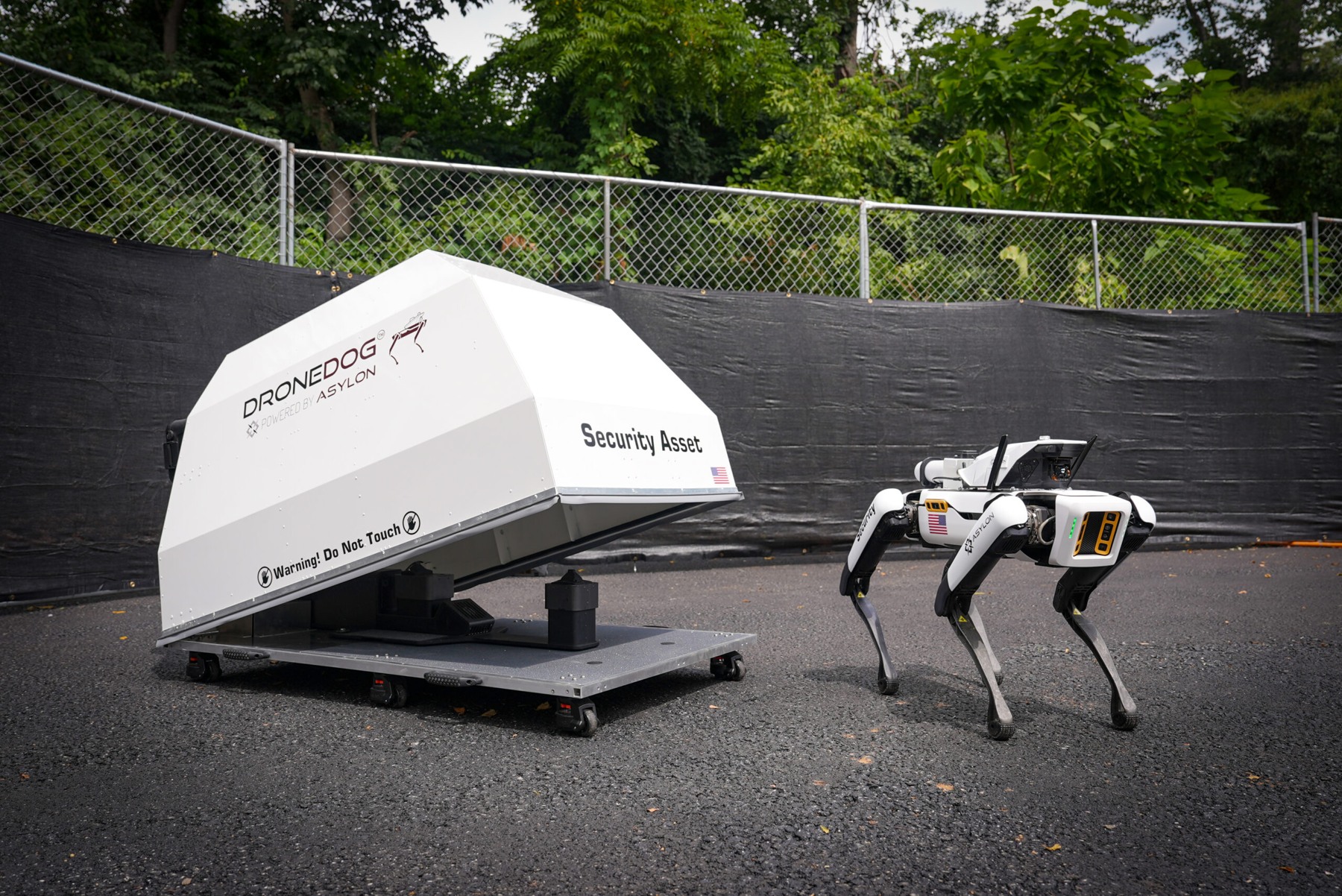
Consider a hypothetical utility operating a quadruped at one site and a wheeled robot at another. Both might observe similar equipment while using different sensors and routes. A useful enterprise view should show those differences where they affect interpretation. It should not imply equivalent coverage merely because both systems report that their routes were completed. The relevant comparison is whether the required inspection information was obtained to an agreed standard.
That standard also needs a receiving workflow. If a robot identifies a condition requiring review, someone must determine whether it warrants a work order, another inspection or no action. The record should preserve that decision and the evidence behind it. Otherwise, the organization may accumulate observations without learning whether they improved maintenance or simply increased review work.
Field integration remains local work
An enterprise software layer can standardize parts of the process, but individual sites still have physical constraints. Access, changing layouts and the presence of people can affect whether a route is practical. Those conditions need local knowledge and a way to update the operating procedure. A centrally managed fleet should not depend on silently assuming that every site remains identical to its initial mapping exercise.
Support responsibilities also need a clear boundary. A failed inspection could originate in the robot, its payload, connectivity or the software that receives the result. The customer benefits when the partners can trace the problem across those boundaries without making the user coordinate several separate investigations. The partnership announcement does not specify that service process, making it a useful topic for a deployment review.
Training should cover the ordinary exceptions as well as the planned route. Site personnel need to recognize when a result is incomplete, when human inspection remains necessary and how to return equipment to service after a change. Those tasks can determine the real workload of operating a fleet, even if the nominal mission is automated.
Measure the maintenance process, not just robot utilization
A meaningful evaluation could follow selected assets over repeated inspection cycles. It would compare the completeness of records, the time required for review and the handling of conditions that need follow-up. It should include unsuccessful missions and false alarms because those also consume staff time. These are proposed measures, not results demonstrated by the June announcement.
Financial comparisons would need the same discipline. A reduction in routine walking may be valuable, but it should be considered alongside equipment support, data review and integration costs. A deployment can improve safety or consistency even before it reduces total cost; those benefits should be stated separately rather than collapsed into an unsupported payback claim.
A pilot should record who resolves each exception and how long resolution takes. Those records would make the integration work visible instead of attributing every outcome to the robot alone.
The partnership’s wider importance is its focus on connecting local deployment with enterprise operations. Its success will be visible when inspection information moves reliably into decisions across sites, with exceptions and responsibilities understood. That would represent progress from a collection of robotic pilots to a maintained operational process.
References
Questions, news tips or corrections? Contact [email protected].