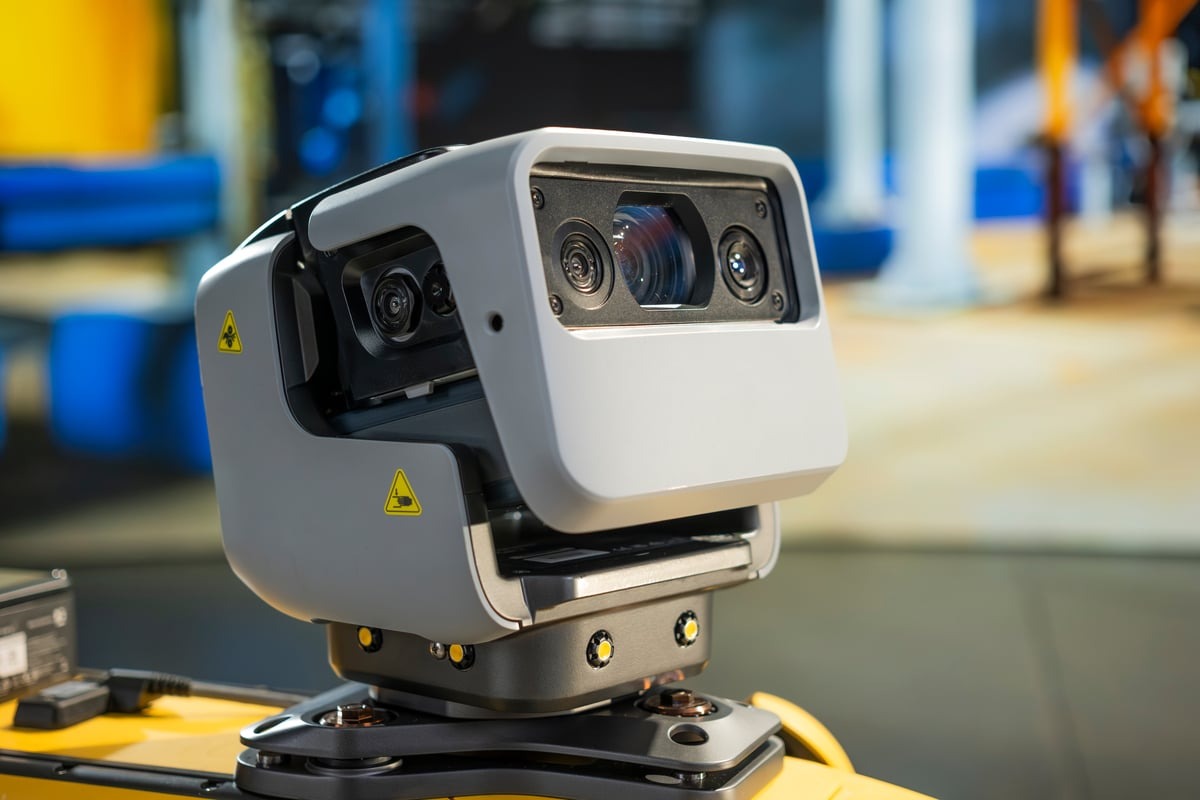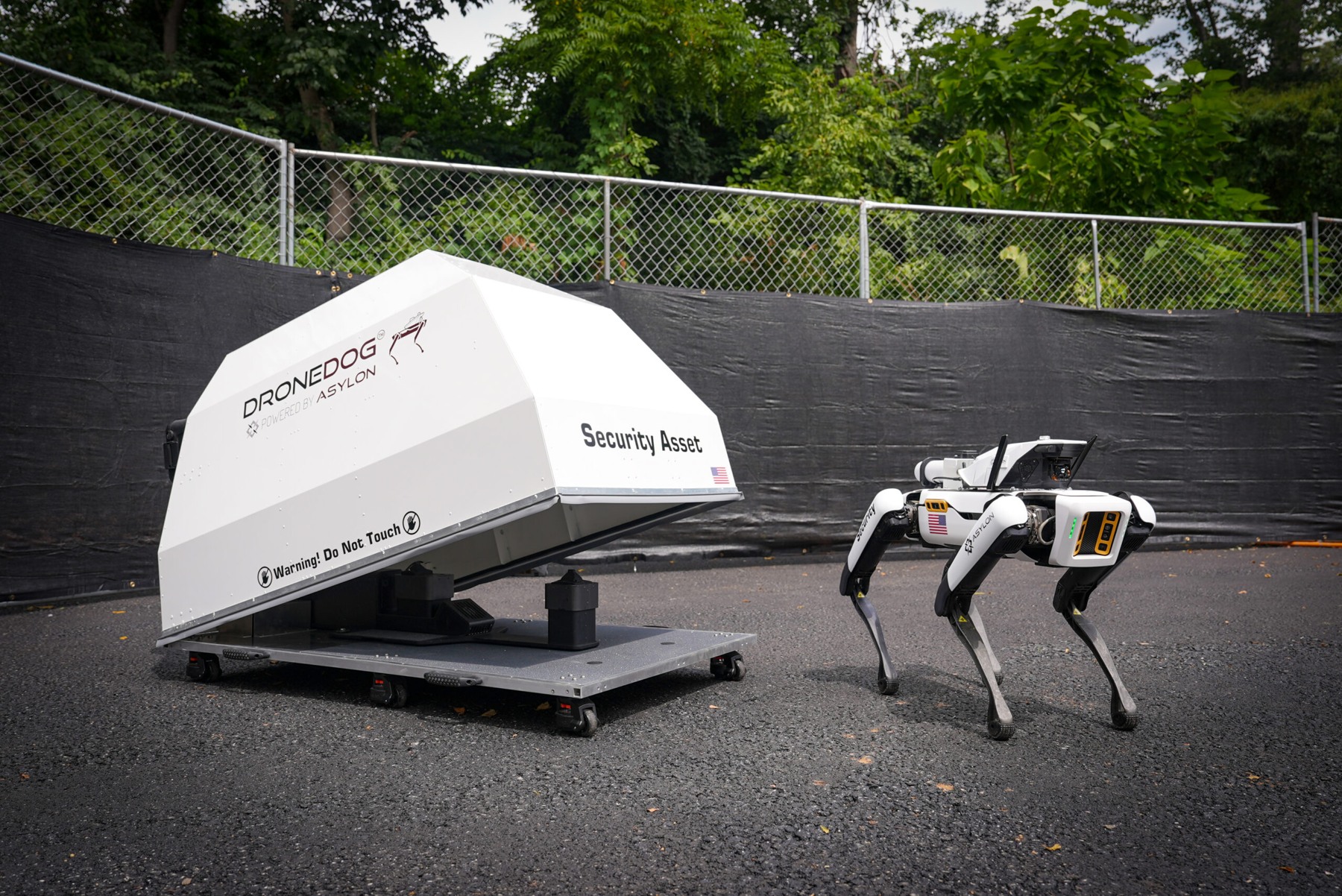
A robotic patrol is useful when it gives a security team dependable information without creating an unmanageable stream of exceptions. The robot’s ability to traverse a site is only the beginning. Route planning, review of observations and response ownership determine whether an automated patrol becomes part of a security program or remains a separate demonstration that needs specialist attention.
Asylon’s October 14 announcement describes a Boston Dynamics webinar involving Asylon’s Damon Henry, Boston Dynamics’ Paul Cisternelli and Bayer Crop Science security lead Matt Paschoal. The stated topics include perimeter inspections, changing site needs and integration into an existing program. The announcement offers a relevant operator discussion, but it does not publish a controlled trial, a staffing comparison or independently measured incident-prevention results. This article analyzes the workflow questions raised by that discussion rather than claiming to reproduce a full deployment audit. Primary source.
A patrol route is an inspection specification
A route should describe more than where a machine travels. The security team needs to know what must be observed at each point, what constitutes an incomplete inspection and which changes require human review. A robot can pass a gate without obtaining a useful view of its condition. Treating navigation completion as inspection completion would obscure that difference and could give the receiving team a misleading sense of coverage.
Consider a hypothetical site where parked equipment blocks the view of a fence section. A useful workflow would make the missing observation visible and assign an appropriate follow-up. Simply marking the route complete would preserve a tidy dashboard at the expense of operational understanding. This example illustrates an evaluation question; the announcement does not establish how any particular installation handles that situation.
Site changes also need ownership. Temporary barriers, maintenance work and new storage arrangements can make a previously suitable route less useful. Someone should be responsible for identifying those changes and deciding whether the patrol needs adjustment. That work does not disappear because the machine can navigate autonomously. It becomes part of the standing security process.
Remote observation still needs an accountable response
A patrol observation can be ambiguous. An open door may be expected during a maintenance task, while the same condition at another time could warrant attention. The reviewing team needs the relevant site context and a way to contact someone who can verify it. A robot that supplies imagery without that connection may increase the number of questions rather than reduce the time to resolve them.
The response plan should distinguish a condition that needs immediate attention from one that can be recorded for later review. It should also identify who can authorize a change to the patrol or send a person to investigate. These decisions should remain visible in the event record so that later review can determine whether the process worked, rather than merely whether the robot generated an alert.
For multi-site programs, a common interface can help, but local differences remain important. A condition that is normal at one facility may be unusual at another. Standardization should make those differences easier to manage, not erase them. Training and documentation need to preserve the context that a local guard would otherwise carry through experience.
Measure the work shifted to the security team
Automation can reduce some routine walking while introducing work in scheduling, exception review and equipment support. A fair workload comparison should count all of those activities. It should also distinguish work removed from exposure to a hazardous area from work removed entirely. The former can be valuable even when total staff time does not fall by the same amount.
An evaluation could follow several repeated patrol cycles and record completed observations, exceptions, review time and the outcome of follow-up actions. Including uneventful patrols and unresolved observations would make the result more representative. Counting only successful detections would provide little insight into the day-to-day burden of operating the system.
The webinar announcement matters because it places an end-user perspective alongside the technology suppliers. The stronger evidence will be a clearly described operating process and sustained results from that process. Robotic patrol should ultimately be judged by the quality and timeliness of the security work it supports, with human responsibilities and equipment limitations made explicit.
References
Questions, news tips or corrections? Contact [email protected].