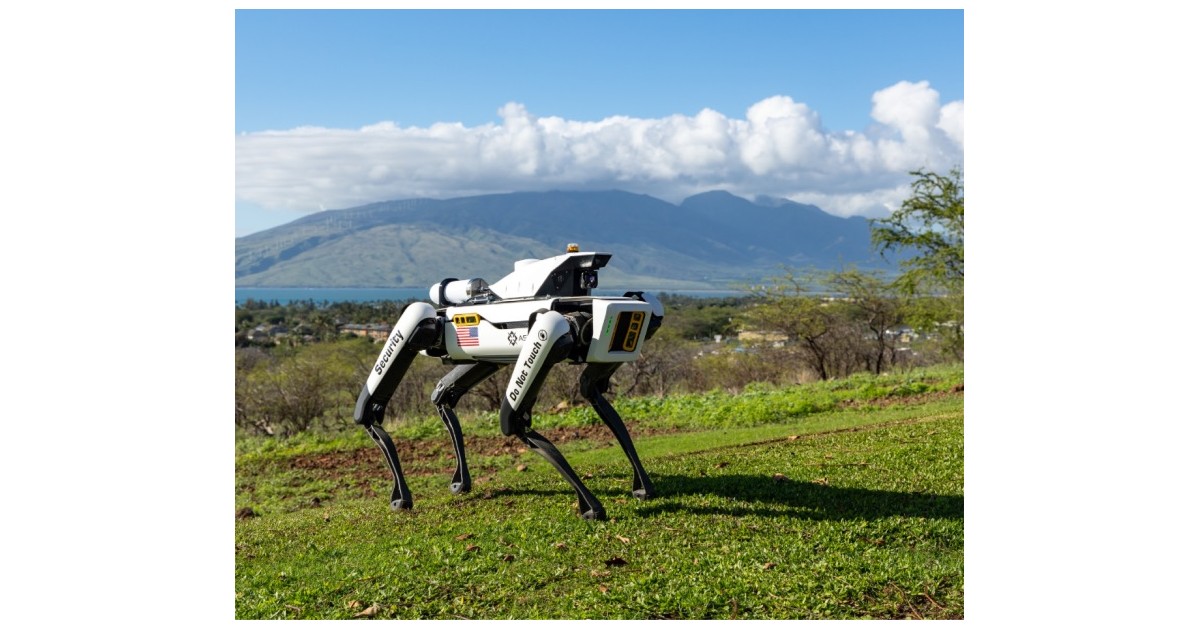
A three-dimensional site model can help a security analyst relate observations from different devices to the same place. Its usefulness depends on what information is current, what remains unknown and whether an alert can be connected to an appropriate action. A convincing visual model is therefore a starting point for operational assessment rather than evidence that every part of a property is continuously understood.
Knightscope’s October 19 company announcement says Signals v1.0 is operating at its headquarters, combining existing cameras and sensors with its newer security machines. It describes a live operational digital twin used by its Mission Intelligence team and announces a November 5 public demonstration. The company identifies itself as the first client. This is an initial internal operating milestone, not an independently verified multi-customer rollout or a complete performance comparison with another security model. Read the primary source account.
A living model needs visible information age
The release describes virtual viewpoints and the ability to move a view toward an alert location. Those interface capabilities should not be confused with a physical camera observing every point from every angle. A model can combine observations and geometry while some areas remain unobserved or represented by older information. A useful demonstration would make the relationship between live feeds, modeled content and historical observations intelligible to the analyst.
An illustrative alert could arise in a part of the site that a robot visited earlier. The analyst needs to know whether the displayed view reflects the current event or the most recent stored observation. This is a proposed evaluation scenario, not a reported Signals error. Preserving time and source helps prevent a clear-looking model from appearing more certain than the underlying sensors justify. The public announcement does not publish a complete independent audit of that behavior.
The source also distinguishes current and planned inputs. It says the H1 wearable will next add live video and location, while deeper connections to the autonomy stack and proprietary perception data remain in development. Those future steps should not be included in the initial release’s demonstrated configuration. Keeping them separate makes it possible to assess later progress without attributing every proposed capability to Signals v1.0.
Internal use is a useful but bounded proving ground
Operating at headquarters gives the developer a concrete site in which to observe its own workflow and refine integration. It also means the environment, personnel and support access may differ from a customer’s site. A successful internal deployment can establish an engineering milestone without establishing the effort required for another organization to install, configure and maintain the same service. The announcement does not disclose a complete external implementation record.
The company’s service model combines machines, software and licensed human agents under one arrangement. That can make responsibility easier to discuss, but the outcome still needs to be measured across the complete service. A digital twin alone does not establish an intervention time, a reduction in incidents or a staffing ratio. The release’s broader statements about one analyst protecting a site remain supplier claims rather than independent operational measurements.
An informative public demonstration could show an alert moving from its original sensor into the shared model, followed by an acknowledged task and a reviewable record. It would be stronger if it also showed stale information, an unavailable device or a task that requires a person. These are proposed evidence criteria, not promises about the November event. They connect the visual model to the decisions an analyst actually needs to make.
Customers should also be able to identify the configuration behind a successful result. Cameras, robots, network connections and software versions can change independently. A common display becomes more supportable when the service records those changes and explains which ones require another check. The source does not publish that entire maintenance process. It establishes a named initial release against which later operating and integration evidence can be compared.
The next milestone is the announced demonstration and, separately, evidence from supported customer operations. Signals’ internal release makes the digital-twin proposition more concrete than an exhibition preview. Its wider security value depends on preserving the provenance and limits of observations while helping people coordinate an effective response, with current capabilities kept distinct from the connections still being developed.
References
Questions, news tips or corrections? Contact [email protected].