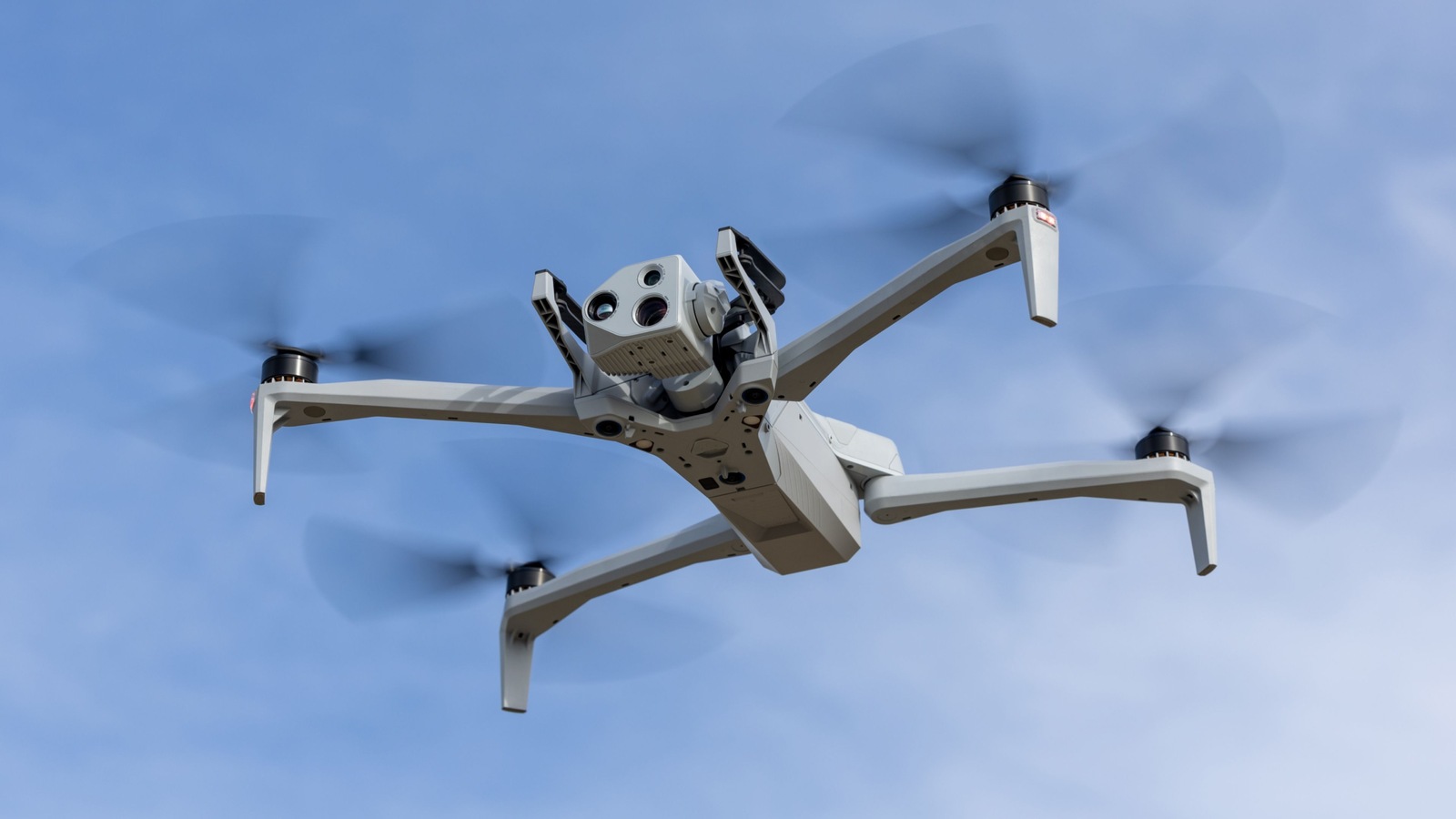
Getting equipment to an emergency is one step in a chain that includes dispatch, arrival, access and use. A faster flight can help without guaranteeing a better outcome. Evaluating an emergency drone service therefore requires more than comparing the aircraft's speed with a road journey.
In a March 30 update, Everdrone said development of its E3 medical drone was complete and described a gradual rollout. The company also discussed a planned clinical study with Karolinska Institutet and work on additional markets. A planned study should not be reported as a completed demonstration of clinical benefit. Primary source.
From availability to useful arrival
For public-safety operations, the first question is when the service is actually available. Weather, location, dispatch eligibility and operational constraints define which incidents can be served. Reporting only successful deliveries would leave that denominator unclear.
The next question is what happens after arrival. Equipment needs to reach the person who can use it, and the drone response must fit the wider emergency workflow. A delivery milestone and a useful intervention are related but distinct events.
Evaluate the service as a whole
A meaningful operational account would separate attempted missions, cancellations, arrival times and completed handoffs. It would explain the comparison being made and identify the incidents excluded from the analysis. These distinctions help readers understand both the opportunity and its limits.
Planning tools can help determine where a service may be useful, but a model of historical demand remains a planning estimate. Actual availability and response performance need to be checked after deployment. Conditions and demand may differ from the assumptions used to choose a base.
Choose the right comparison
An evaluation should specify what alternative the drone service is being compared with. A modeled road journey, an actual emergency response and the arrival of another available resource are not interchangeable baselines. The comparison should match the question being asked. A planning exercise may legitimately use estimates, while a claim about operational improvement needs an observed record that explains how time was measured and which cases were included. Keeping those categories separate prevents a useful simulation from becoming an unsupported outcome claim.
The dispatch process is another part of the comparison. Time before a mission begins can affect the usefulness of a faster aircraft. A service record could show the interval from an eligible request to dispatch, from dispatch to arrival and from arrival to completed handoff. Separating the intervals would help identify where the actual constraint sits, without assuming that a change in aircraft performance is the best way to improve the complete response.
Count cases the service cannot complete
Cancelled and unserved requests should remain visible in an operational assessment. They describe the limits of the service and help determine where other resources must remain available. A high success rate among flights that launched may be compatible with a much smaller share of eligible incidents served. Both figures can be useful if their denominators are clear. Neither should be presented as a complete account of availability without explaining what happened before the launch decision.
Clinical evaluation adds a separate evidential requirement. Delivering equipment and improving a patient outcome are different endpoints, and the latter needs an appropriate study design. This analysis does not infer clinical effectiveness from the company's rollout update. Readers should look for the study protocol, reported population and published results before drawing conclusions about that question. Operational evidence can still be valuable in the meantime, provided it is described as evidence about delivery and service performance.
For procurement, the practical implication is to define the role of the drone within the existing response system. A complementary service needs clear coordination and responsibility when it cannot operate. It also needs a realistic account of recurring costs, maintenance and supervision. The strongest future case would connect those operational records with formal evaluation, showing where the service helps, where it does not and what resources are still required around it to provide a dependable response.
The longer-term possibility is a complementary response layer that reaches some incidents sooner and brings useful equipment. Establishing that value requires evidence from the complete service, including unsuccessful missions and the outcomes of formal evaluation. The next milestone to watch is published study and deployment evidence, rather than treating a new aircraft release as the final result.
Source organization: Everdrone. Source statements are attributed; operational implications and suggested evaluation criteria are editorial analysis.
References
Questions, news tips or corrections? Contact [email protected].