An industrial robot can collect a consistent reading without ensuring that the right maintenance action follows. The unresolved work often sits between the inspection record, the asset history and the system used to assign a repair. Connecting those records is a different challenge from making the robot walk reliably.
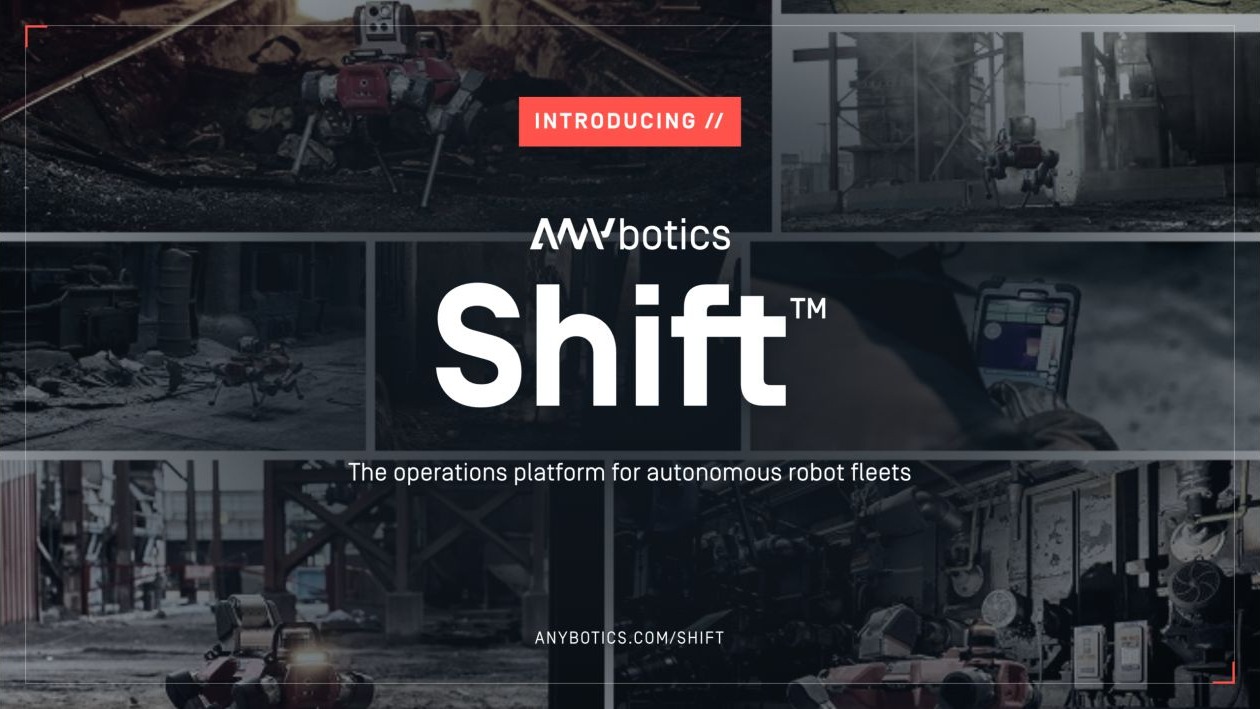
ANYbotics announced Shift on October 1 as the successor to Data Navigator. The company describes a platform combining inspection data, plant context and fleet operations, with connections to industrial data and maintenance workflows. Support for a broader third-party robot ecosystem is part of its stated direction, not evidence that every platform is already integrated. Primary source.
Context has to stay current
Bringing information into one view can make discrepancies easier to identify. It can also create a misleading appearance of agreement if timestamps, asset identities or operating conditions are inconsistent. A unified interface should preserve those differences rather than hide them.
An inspection triggered by another system needs an explicit purpose. The operator should know what question the robot is being sent to answer and what result would close the request. Otherwise, automated dispatch risks producing additional data without resolving the original concern.
Follow the finding through to closure
A useful evaluation would select a defined set of findings and follow them into the maintenance process. It would record which observations were confirmed, which needed another visit and which could not be interpreted. Work-order creation is a measurable step, but it is not the same as completed repair.
The integration also creates responsibilities for access control and data quality. Teams need to know which system owns the authoritative asset record and how corrections propagate. These are operational design choices rather than details to leave until after rollout.
Test the information boundary
A useful integration test could begin with one asset and follow its identifier through the plant map, inspection request, returned observation and maintenance record. That exercise is deliberately narrower than a platform-wide demonstration. It can expose mismatched naming, stale locations or incompatible status fields that a polished dashboard may conceal. Resolving such problems on a small, representative set of assets would give the organization a clearer basis for expanding than simply confirming that several systems exchange messages.
The same test should include an uncertain finding. An inspection result may be incomplete or require another specialist to interpret it. The platform should preserve that uncertainty as the record moves between teams. If every returned observation becomes a definitive fault label, downstream work can become harder to prioritize. Buyers can ask how reviewers correct a result, how that correction is communicated and whether the original evidence remains available for a later audit.
Bidirectional integration needs clear triggers
A maintenance or control system that can request a robot inspection creates a useful feedback path. It also needs a clear definition of which event should trigger which task. An illustrative trial could examine repeated requests for the same asset and determine whether they create redundant work or a coherent follow-up sequence. The important question is whether the connected workflow reduces uncertainty about equipment condition, rather than simply making it easier for one system to generate tasks for another.
Fleet management should be evaluated against the inspection service required by the plant. A robot can be available while a particular inspection remains overdue, just as an unavailable robot may not matter if another can complete the required task. Reporting task coverage separately from vehicle availability would help reliability teams understand what they are actually receiving. It would also make the impact of maintenance, charging and interrupted missions visible in terms that connect to plant priorities.
Longer-term platform value depends on whether these connections remain manageable as software and equipment change. A new connector or robot type should come with a clear account of supported data and behavior. Customers need to know when they are using a mature integration and when they are participating in an emerging capability. That distinction would make a broader robot ecosystem more useful without assuming that an open interface alone guarantees dependable interoperability across every machine and maintenance system.
If the platform reduces lost context between inspection and action, robots could become easier to use as part of ordinary plant operations. The decisive evidence will be shorter, more reliable resolution of verified findings, with the remaining human work made visible rather than counted as automation by default.
Source organization: ANYbotics. Source statements are attributed; operational implications and suggested evaluation criteria are editorial analysis.
References
Questions, news tips or corrections? Contact [email protected].