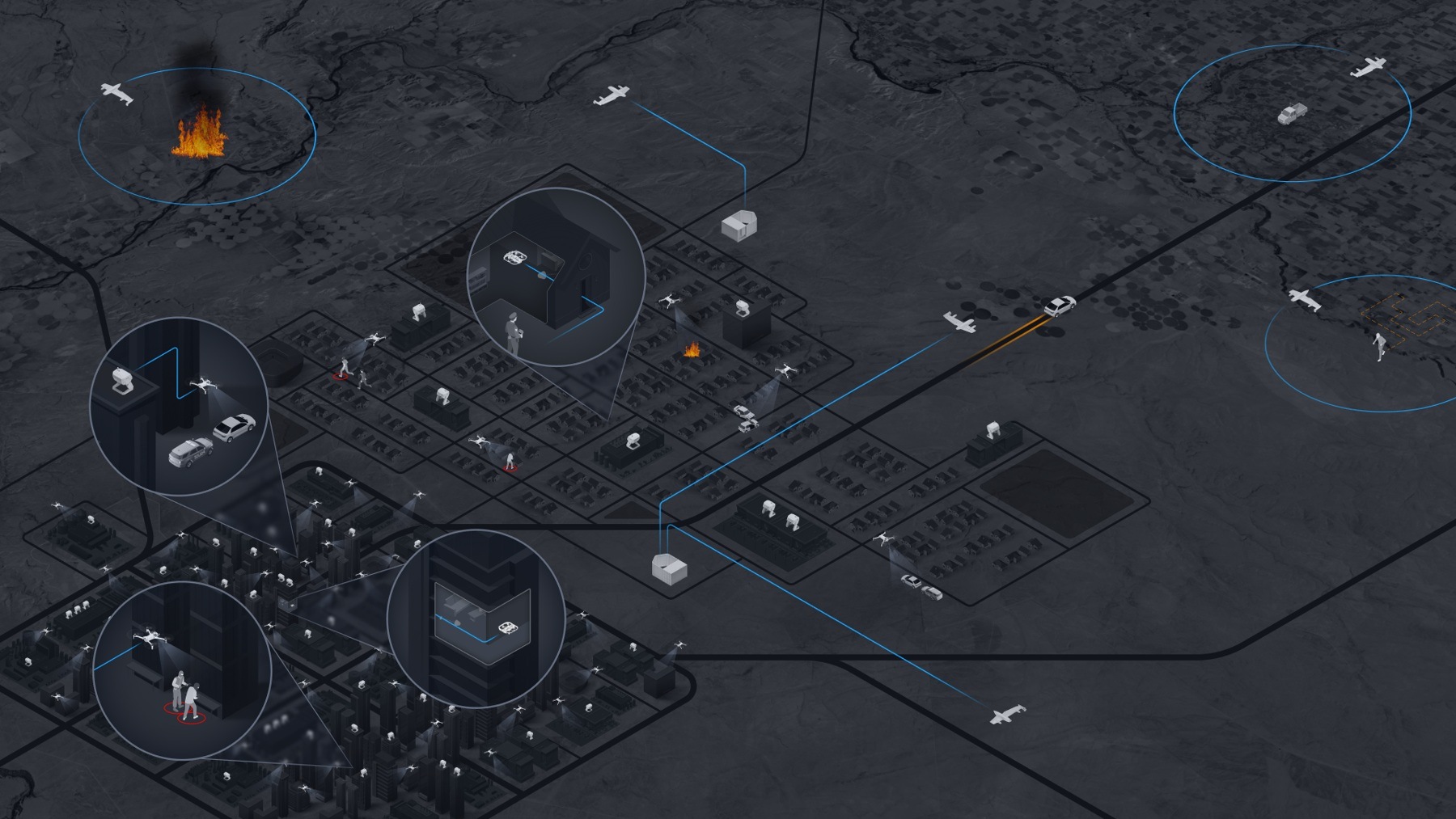
A public-safety drone program has to deal with several kinds of demand at once. An indoor search and a distant outdoor incident create different flight requirements, while an aircraft occupied by a long mission cannot immediately answer the next call nearby.
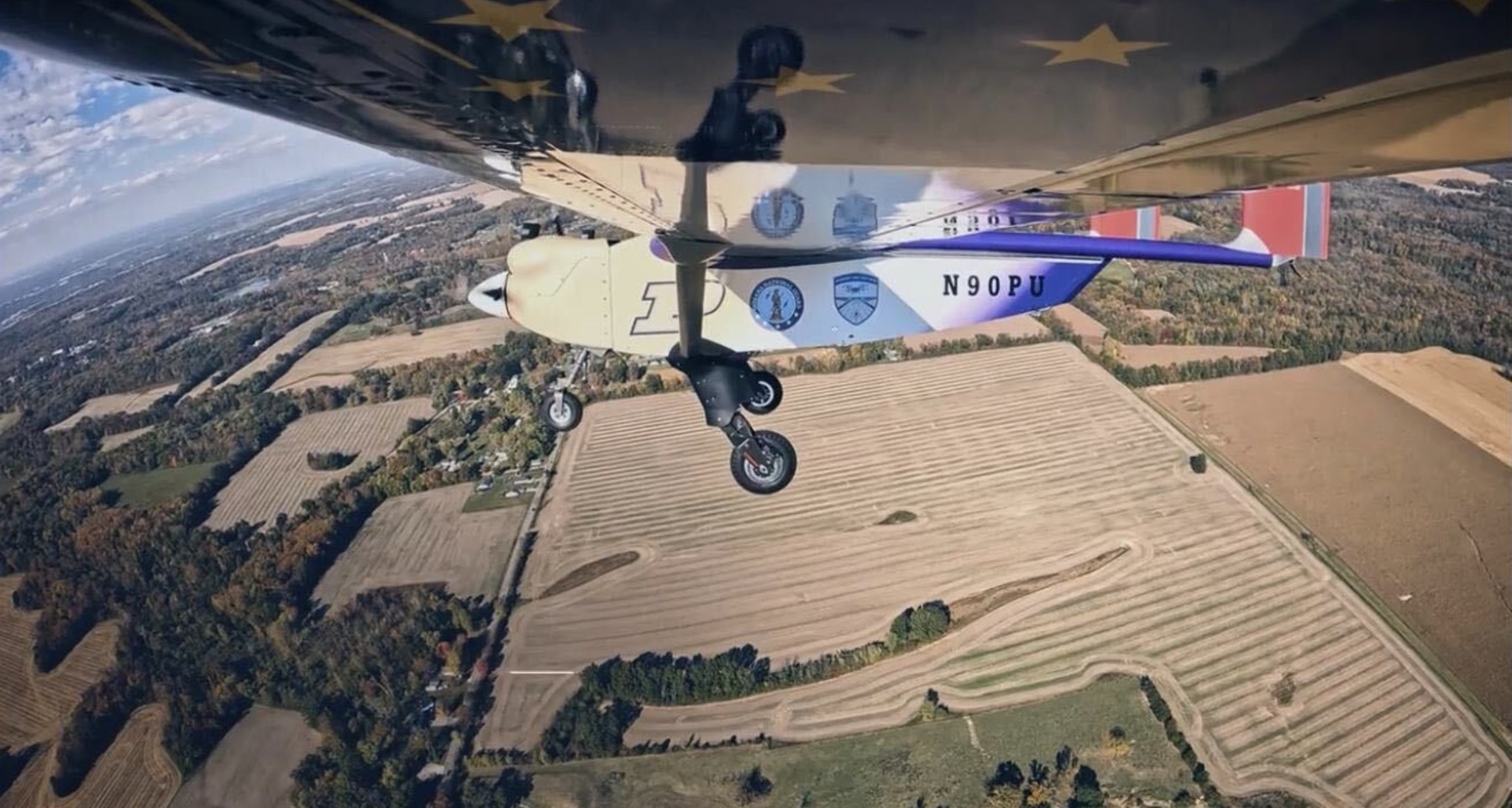
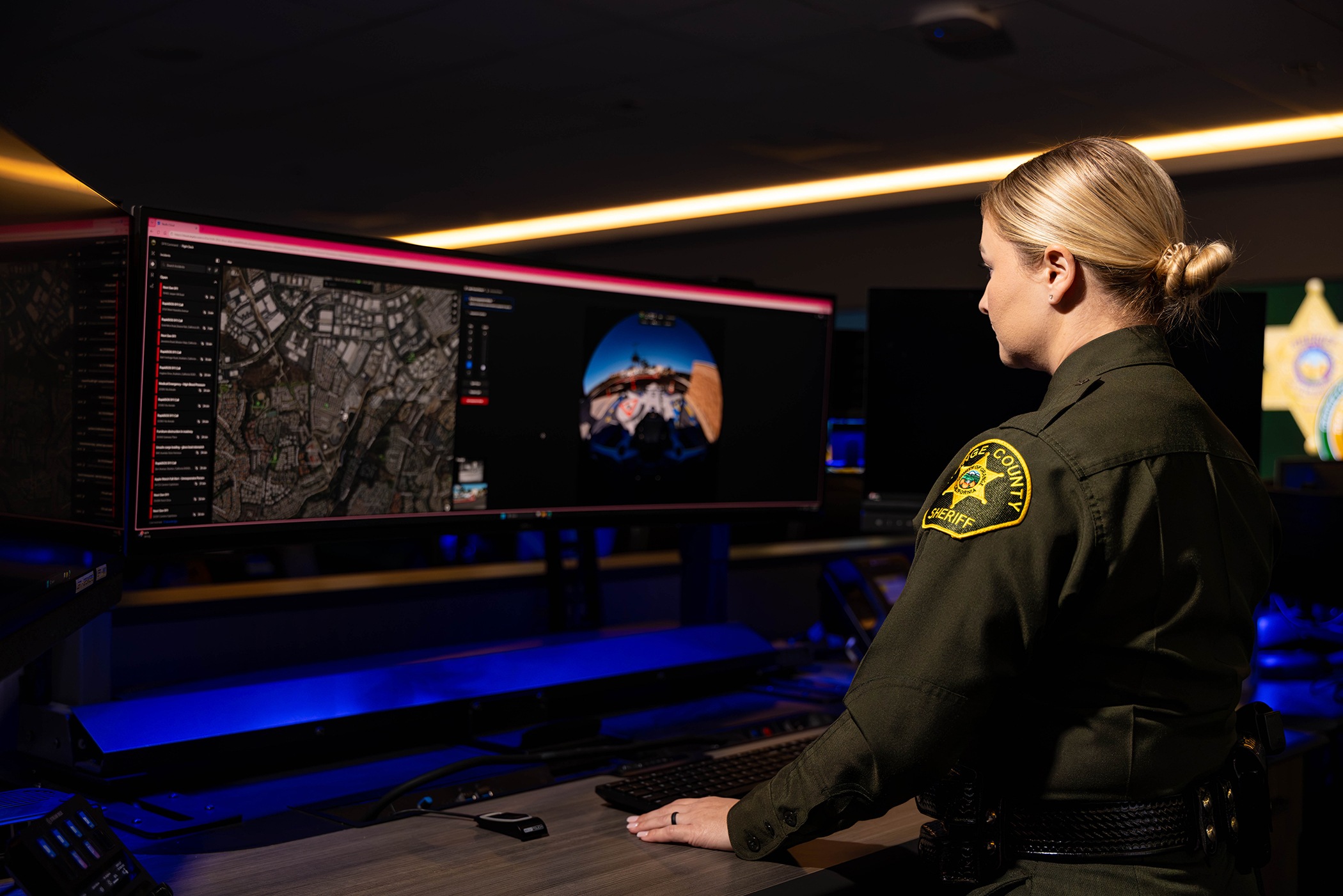
Skydio’s October 23 operating account places X10 at the center of distributed daily response, R10 in indoor missions and F10 Lightrunner in longer-range or extended-duration work. The aircraft share DFR Command. Skydio describes incident-linked operations, and presents the family as a way to match aircraft to different calls rather than build three separate technology stacks. These are the supplier’s system and planning descriptions, not an independent comparison of completed emergency responses. Read the primary source account.
Availability is different from maximum range
The practical implication is that a long-endurance aircraft can add capacity without replacing every local dock. An agency’s choice depends on where demand occurs and how long aircraft remain occupied. A fleet with impressive individual specifications could still leave an important area uncovered during overlapping calls.
A useful planning model would therefore include concurrent incidents, turnaround, charging and maintenance. It would also record flights that cannot be launched because of weather, airspace restrictions or unavailable staff. Those exclusions help reveal whether a proposed layout delivers dependable coverage rather than an attractive map of theoretical reach.
A shared interface still needs explicit handoffs
Using one command system can reduce the number of separate interfaces a team must manage. It does not make the operating decisions identical. Indoor movement, outdoor response and longer-distance flight impose different constraints on supervision, communications and recovery.
The transition between aircraft deserves particular attention. Responders should know which view is current, which operator has control and whether an earlier observation remains relevant. Evidence from one aircraft also needs to retain its source and timing when incorporated into a common incident record.
Compare alternatives against the same demand
A fair capacity comparison starts with a common set of incidents and constraints. Adding a different aircraft can improve one type of coverage while adding training, maintenance and scheduling work. A useful model would show which calls can be served by each configuration and how the answer changes when an aircraft or dock is unavailable. It should not assume that every platform is always ready.
The distinction is especially relevant when a long mission consumes a resource that could otherwise answer several short calls. A longer-range aircraft may allow local aircraft to remain near their usual response areas. Whether that improves service depends on the timing and location of demand. This is an operational inference from the proposed fleet structure, not a measured result reported by Skydio.
Shared software also creates a need to manage permissions carefully. A common interface should make it clear which aircraft can be dispatched by which personnel and what happens when a mission changes ownership. Common presentation can simplify work, but it should not hide different authorization requirements or imply that a flight permissible for one platform is automatically permissible for another.
The financial comparison needs the same completeness. Aircraft acquisition is only one cost among docks, connectivity, staffing, training and support. An agency could assess cost per completed, useful response alongside the availability it achieves. The supplier’s architecture gives that analysis a starting structure; comparable agency operating records would determine whether the expected efficiencies appear in practice.
There is a further distinction between continuity of a video feed and continuity of responsibility for an incident. If a longer-duration aircraft takes over, the receiving operator needs the relevant context, not just another image. The incident record should identify what was observed earlier and what remains unconfirmed. This gives agencies a concrete exercise to test before wider use: transition a representative call between aircraft and operators, then assess whether information, control and response responsibilities remain clear. A shared command environment can support that exercise, but the supplier’s description alone cannot establish that every agency’s handoff will succeed.
The near-term development is a clearer supplier framework for selecting among its aircraft. The larger potential is a response service that preserves local availability while handling demanding missions. That thesis would be strengthened by agency-level results showing response coverage, operator workload and outcomes across comparable calls, with cancellations and concurrent demand included.
Source organizations: Skydio.
References
Questions, news tips or corrections? Contact [email protected].