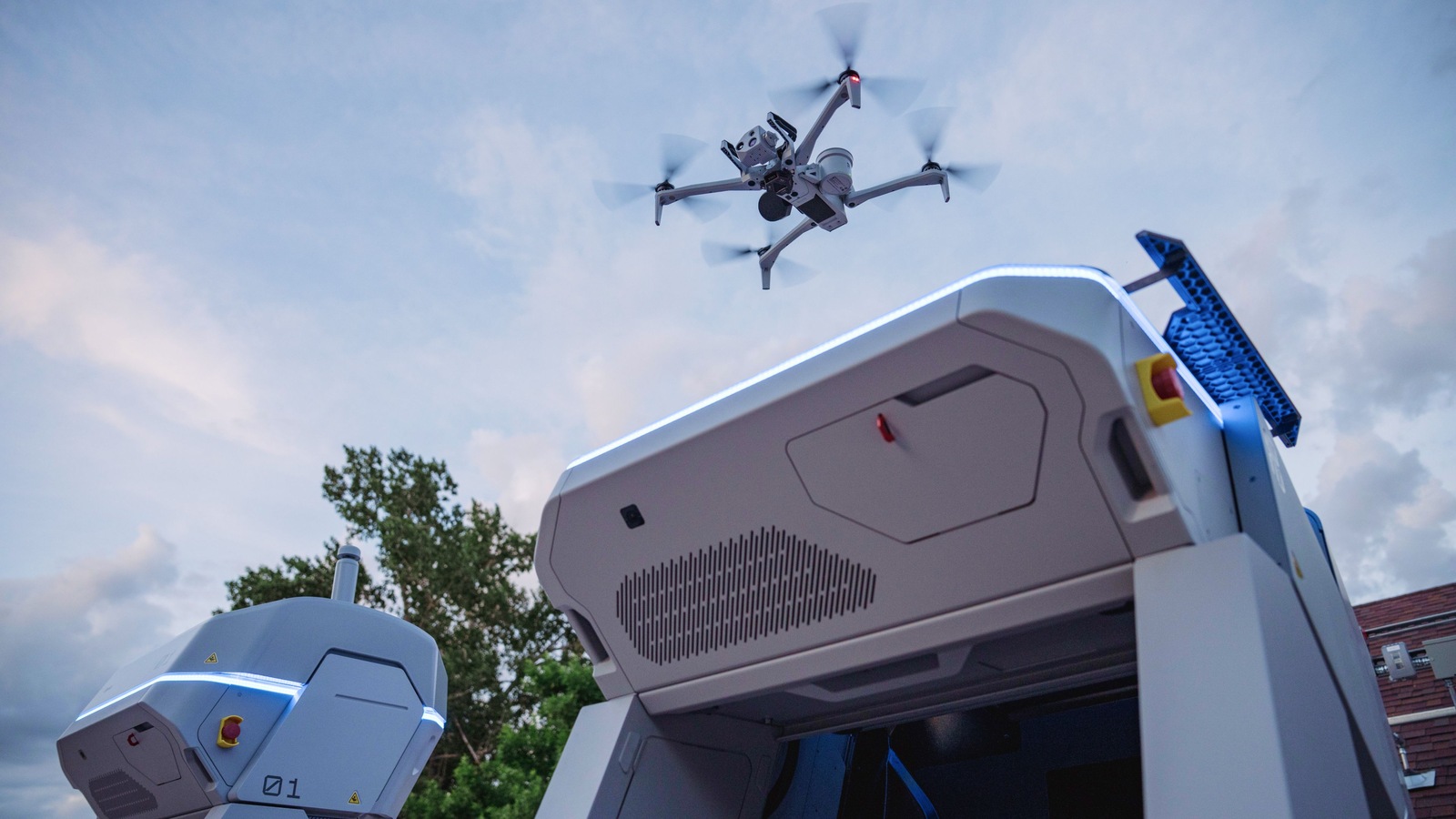
A security drone can launch from a dock without somebody standing beside it, but that physical separation does not remove the responsibilities of operating an aircraft. The difference matters when a product demonstration becomes a proposal for routine service. A site owner may control the ground while the flight remains subject to an aviation framework with its own conditions, people and records.
For a security team, the practical consequence is that autonomy must be designed around a valid operating model. It is not enough to show that an aircraft can reach a fence or return to charge. The organization needs to know who is accountable for the flight, what permission covers the intended activity and how a change in conditions affects the decision to continue.
What the current guidance says
The FAA’s July 6, 2026 Part 107 overview describes the framework for many commercial and government small-drone operations involving aircraft under 55 pounds. Its baseline requirements include visual-line-of-sight operation and not acting as pilot or visual observer for more than one operation at a time. The page also describes waiver pathways for certain activities. Primary source.
Separately, the FAA’s August 2025 BVLOS publication describes a proposed rule, not a blanket authorization for every remote operation. This distinction between baseline rules, specific permissions and proposals is essential when evaluating a docked security system. This article is a source-based operational analysis and does not determine the legal status of any particular flight.
Why a dock is not the operating model
A dock changes the logistics of launching, protecting and recharging an aircraft. It may make repeated missions easier to organize. It does not by itself answer how the operation satisfies the relevant requirements or what a pilot must do when circumstances change.
The mechanism that makes a security service repeatable therefore includes more than hardware. It includes a defined area of operation, clear responsibilities and a process for deciding whether a mission fits the authorization. An automated sequence can help execute a decision, but the decision needs a documented basis. A service sold as remote or autonomous should still be able to explain that basis plainly.
This is also why a demonstration at one location does not prove readiness at another. Different airspace, surrounding activity or operating conditions may change what is permitted and what is safe. A buyer should not infer transferable permission from the fact that the same aircraft model appeared in a successful video.
Concurrency needs particular clarity
Security demand can overlap. One site may ask for an observation while an aircraft is already supporting another event. It is tempting to treat another dock as a straightforward capacity increase. Yet more aircraft can create a different supervision problem rather than merely more coverage.
The FAA overview’s baseline statement about one operation at a time is therefore a useful prompt to inspect the actual permissions and responsibilities of a proposed multi-aircraft service. This analysis does not say that all such operations are prohibited; specific authorizations can matter. It says that an autonomy claim is not an adequate substitute for the applicable operating basis.
What site operators can ask now
The immediate task is to connect the sales proposal to a real service description. An operator can request an explanation of the authorization being relied on, the activities it covers and who monitors compliance with its conditions. That explanation should be understandable to the organization purchasing the security function, even when a specialist provider conducts the flights.
Contract obligations also need to account for missions that cannot proceed. A safe cancellation should not be hidden to preserve a perfect availability claim. Reporting can distinguish an aircraft fault, unsuitable conditions and a mission outside the permitted scope. These categories help buyers understand whether a service is dependable without encouraging inappropriate launches.
Public communication should use the same precision. Describing a system as autonomous can wrongly suggest that no person is responsible for it. Explaining the responsible role and the limited purpose of each mission makes the service more intelligible. It also keeps a technology claim from obscuring the institutional decision to observe a location.
The wider path to scale
If remote security flights are built on clear operating authority and honest availability reporting, autonomy could become a more consistent extension of site security. A repeatable framework can make it easier to compare services and identify where a new permission or technical change would have practical value.
That outcome is conditional. Equipment availability, regulatory permission and a sustainable supervision model all need to align. Watch for current authoritative rules and operation-specific documentation rather than treating a proposed framework as already in force. The larger advance would be a service that can explain not only how it flies, but why it is authorized to fly and when it should remain on the ground.
Primary source: Federal Aviation Administration official reporting.
References
Questions, news tips or corrections? Contact [email protected].