A drone program can buy an apparently trusted aircraft and still be unready to fly its intended mission. Procurement eligibility, supply-chain assurance and aviation permission answer different questions. Confusing them can leave a public-safety agency with equipment that satisfies one requirement while its service remains blocked by another. The cost is not only financial: operators and the public need a clear explanation of what a label actually establishes.
This distinction becomes more consequential when drones are purchased as connected systems. An aircraft, dock, controller and cloud service may each introduce dependencies. A familiar badge on one component should not be treated as proof that every configuration and use has passed the same review. Responsible autonomy starts with understanding the scope of each assurance.
What prompted the review
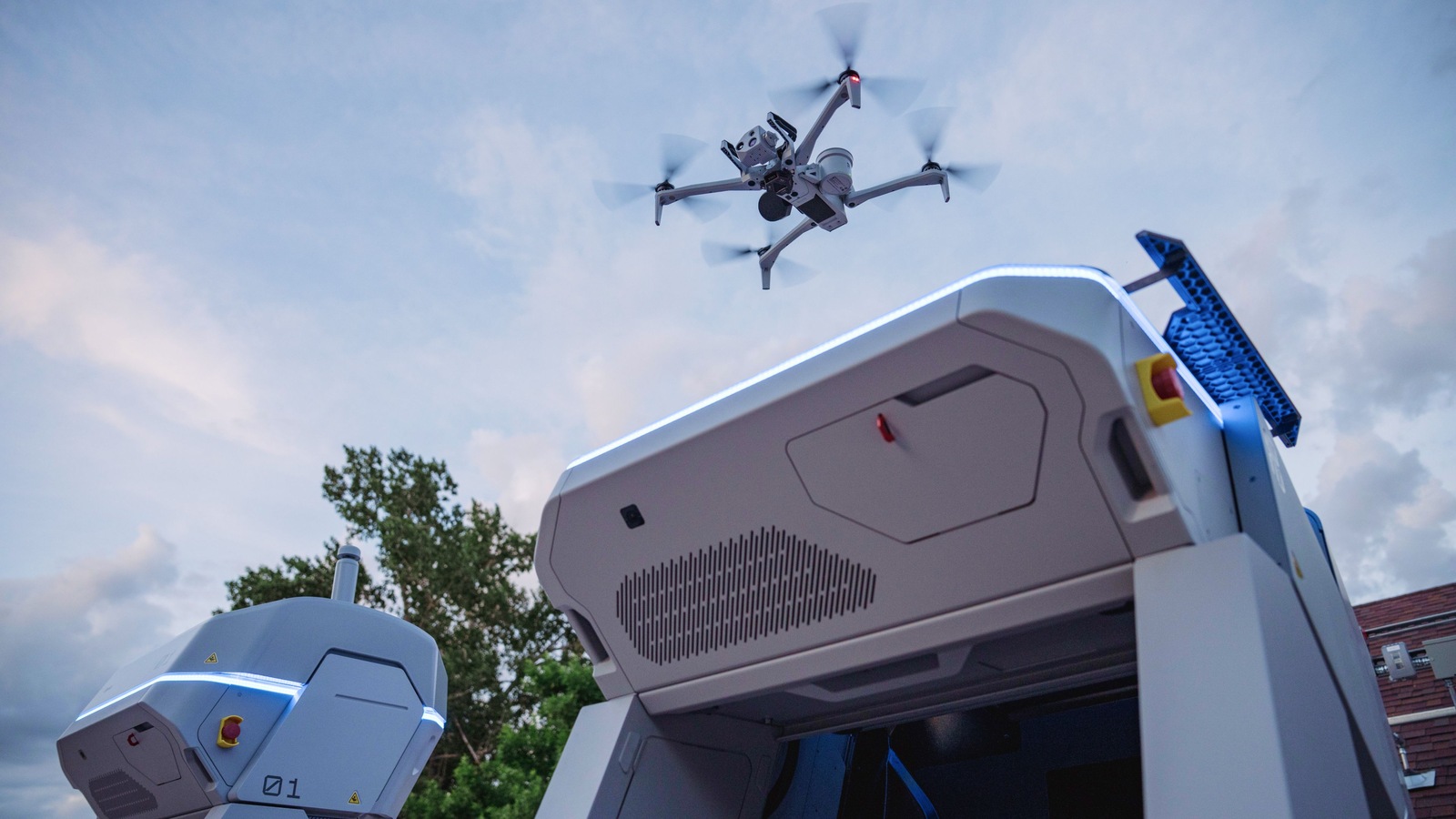
Skydio’s October 7 guide distinguishes NDAA-related sourcing requirements from Blue UAS and Green UAS programs. It describes the programs as related assurance mechanisms with different scopes and directs readers to the relevant lists. The company also states that its X10, Dock for X10 and R10 appear on the Blue UAS Cleared List. That is a vendor statement whose exact model and configuration should be checked against the current official listing when purchasing. Primary source.
The guide’s useful contribution is separating terms often collapsed into one marketing phrase. It is a vendor explanation, not the controlling legal instrument or a mission authorization. This analysis does not infer eligibility for a particular grant or agency contract from the guide alone.
AUVSI’s own program page distinguishes a narrower Cleared pathway from the broader Certified assessment, which additionally addresses corporate cyber hygiene and remote operations. DCMA’s July 27 reporting describes third-party assessment as part of the Blue List process. Neither source is a flight authorization.
The questions behind the labels
A procurement restriction asks whether a buyer may spend particular funds on particular equipment or services. A security review asks which risks and configurations were assessed. An operating permission asks whether a mission may be conducted under specified conditions. Each question has its own evidence, and a favorable answer to one does not settle the others.
This means due diligence needs traceability. The named product on a purchase order should match the product being assessed. If a configuration changes, the buyer needs to understand whether the same assurance still applies. A connected service also needs a clear account of where mission data goes and who can administer it. Those are practical review questions, not additional approvals invented by this publication.
The same discipline applies to the phrase American-made. A statement about assembly or origin is not automatically a complete account of component sourcing, cybersecurity or aviation readiness. Buyers should request the evidence relevant to their actual obligation rather than treating several different claims as interchangeable.
Why the official source still matters
Program designations and procurement requirements can change. A vendor page may be accurate when published while a buyer’s decision happens later or involves a different funding source. The definitive check belongs with the current program listing, the applicable contract terms and the institution responsible for the purchase.
This review has not performed a legal eligibility determination for any agency. It does not assert that every Blue-listed system is suitable for every civilian use or that a non-listed product is categorically unlawful. Those would be broader conclusions than the evidence supports. The point is to preserve the distinctions that make a decision reviewable.
What changes for autonomy procurement
The immediate implication is a better requirement matrix. Instead of asking whether a drone is generally compliant, a buyer can identify the relevant requirement, its source, the configuration covered and the evidence supplied. Aviation operations, data governance and procurement can then be reviewed together without pretending they are the same discipline.
This can prevent late surprises during deployment. A team should know who maintains the assurance record when software, hardware or service terms change. It should also know how an operational limitation affects the proposed security service. A docked aircraft that cannot conduct the intended mission under its authorization is not made useful by its procurement status alone.
For the public, clarity about scope supports accountability. An agency can explain why it selected a system without implying that the selection exempts its use from oversight. Trust in a platform and justification for observing a particular place remain separate responsibilities.
The larger benefit of precise claims
If buyers consistently demand scoped evidence, assurance programs can help make connected autonomy easier to evaluate. Vendors would have an incentive to document configurations and changes rather than accumulate ambiguous badges. Agencies could compare systems on the requirements that matter to their service.
That future depends on keeping the distinctions intact. Watch for current official listings, configuration-specific documentation and procurement records that explicitly separate product assurance from mission permission. The larger objective is a drone service whose authority and risk are understandable throughout its life, not a purchase justified by a label nobody has defined.
Primary source: Skydio official reporting.
References
Questions, news tips or corrections? Contact [email protected].