A security robot does not deliver an entire patrol service on its own. Personnel must set missions, interpret observations, maintain equipment and decide what happens after an alert. A contract that bundles those responsibilities provides a different commercial signal from an order for hardware, even when the number of robots is the easiest part to put in a headline.
In an October 22 Forbes interview account, Asylon Robotics chief executive Damon Henry describes a $17 million, five-year arrangement with Securitas for a major, unnamed U.S. critical-infrastructure customer. The reported scope is twenty-six aerial and ground robotic systems across multiple facilities, with on-site and remote personnel as part of a managed service. The account is first-hand reporting of the executive's statements; it does not publish the underlying contract or an independent acceptance report for every installation. Read the primary source account.
The price covers a service boundary
Dividing the headline value by the number of systems would not produce a meaningful robot sale price. The arrangement includes several years of operations and people as well as equipment. Without the detailed allocation of obligations and costs, that calculation would confuse a service commitment with hardware pricing. The source does not provide a component-level financial breakdown from which a comparable unit price can be established.
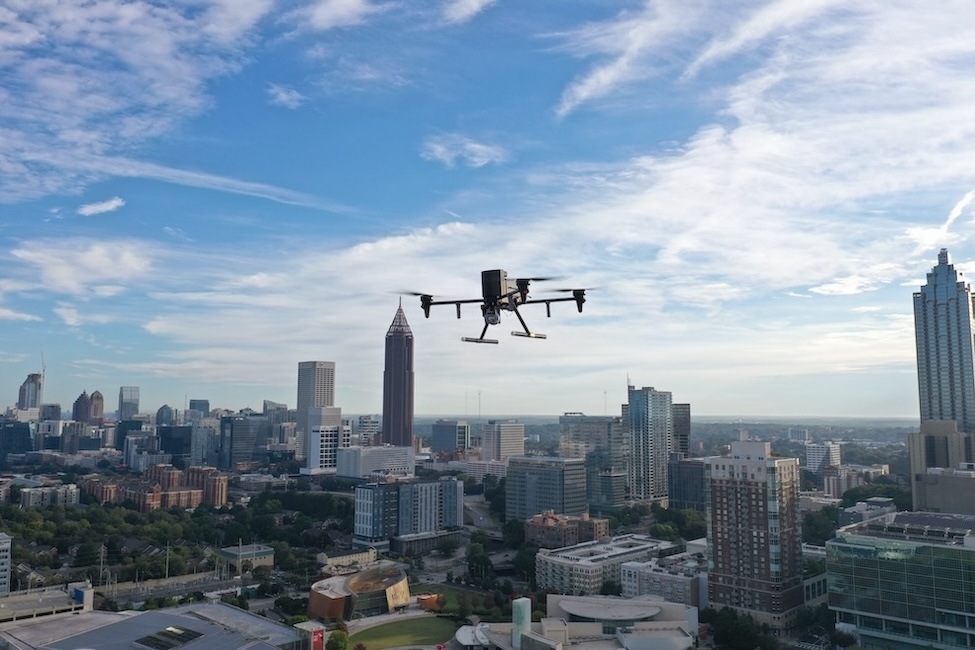
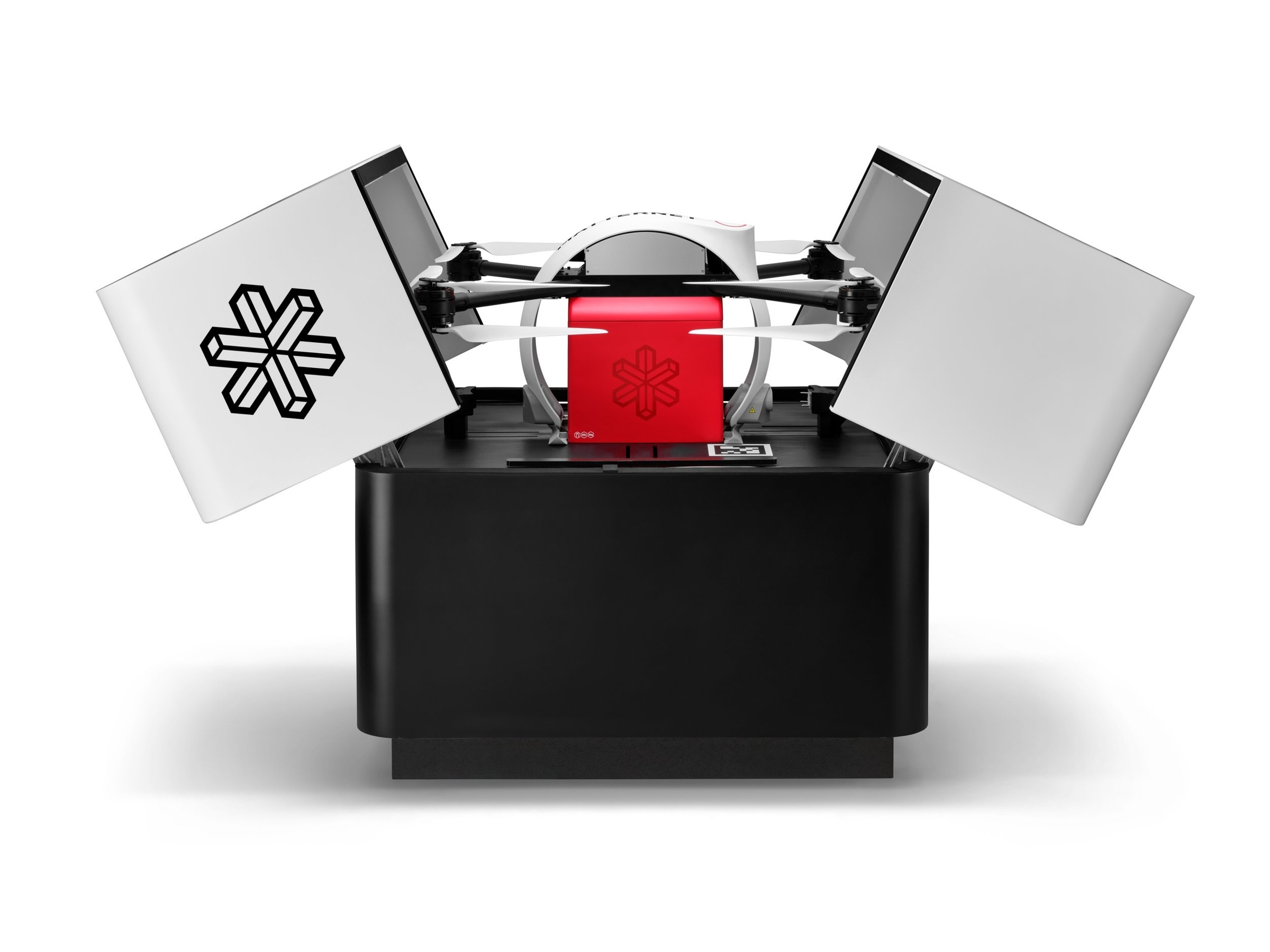
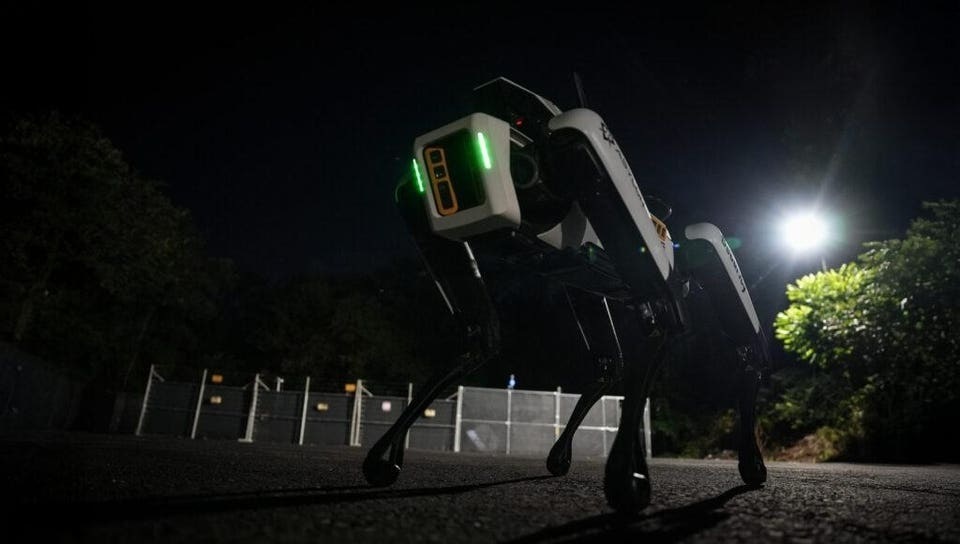
The mixed fleet also matters. An aerial system and a quadruped can obtain different views and reach different places. Combining them creates an opportunity for complementary observations, but also a coordination task: someone has to determine which platform should inspect an alert and how its information reaches the person responsible for responding. The interview describes a remote operations centre within that arrangement, rather than a workforce-free installation.
The report identifies DroneDog, based on customized Boston Dynamics Spot units, the Guardian aerial system and DroneIQ software. These names describe components of the offering. They do not establish that every facility receives an identical configuration or that each component makes the same contribution to service performance. A useful assessment would retain those differences instead of treating the fleet as twenty-six interchangeable units.
A pilot and a wider commitment answer different questions
Henry says the relationship began with two robots and a year of proving the technology to a customer. That is relevant commercial history: the larger arrangement follows a narrower experience. It is not, without a disclosed protocol, a general reliability study. The public account does not supply every pilot criterion, unsuccessful mission or condition under which the customer decided to expand.
A wider contract can nevertheless create a practical test of repeatability. The service has to work across facilities, schedules and maintenance cycles. Evidence from one site may not capture the access, communications or staffing requirements of another. A multi-site assessment should make the shared operating process visible while preserving local exceptions. That is an implication of the reported scope, not a claim that the deployment has already encountered a particular problem.
The interview includes supplier outcome claims from other operating customers. Those examples should remain separate from the newly reported agreement. A crime change or patrol count at a different location does not establish the results of this contract, especially while its customer is unnamed. Nor does an executive's description of commercial scale independently settle whether it is the largest deal in the sector.
Human response remains part of the product
For a receiving organisation, the useful question is what happens between a robot finding something and an appropriate person acting. An alert may require further observation, a conversation or an on-site response. These are different workloads. A managed offering should make clear who handles each one and what happens when a platform is unavailable, rather than allow the autonomous-patrol label to imply every responsibility has disappeared.
The same boundary affects economics. A service can change where labour is performed without eliminating it. Cost comparisons therefore need equivalent coverage, response responsibilities and support periods. The reported contract value indicates a substantial commitment, but the public material does not establish the customer's return on investment or make a transferable savings promise for other sites.
There is also a distinction between monitoring continuity and mission success. Equipment that remains connected can still encounter an inaccessible area or an observation that requires human interpretation. A clear service record would connect availability, completed missions and verified events to the response they produced. Counting patrol miles alone would leave that chain unresolved.
The immediate development is a reported multi-year commercial arrangement integrating robots with a guarding organisation's operations. Its wider significance is whether that combination produces a repeatable, assessable service across facilities. The next persuasive evidence is comparable operating performance under the actual agreement, with costs, human responsibilities and platform configurations retained. The headline price and robot count establish scope, rather than independently proving that outcome.
Source organizations: Asylon Robotics, Securitas, Boston Dynamics.
References
Questions, news tips or corrections? Contact [email protected].