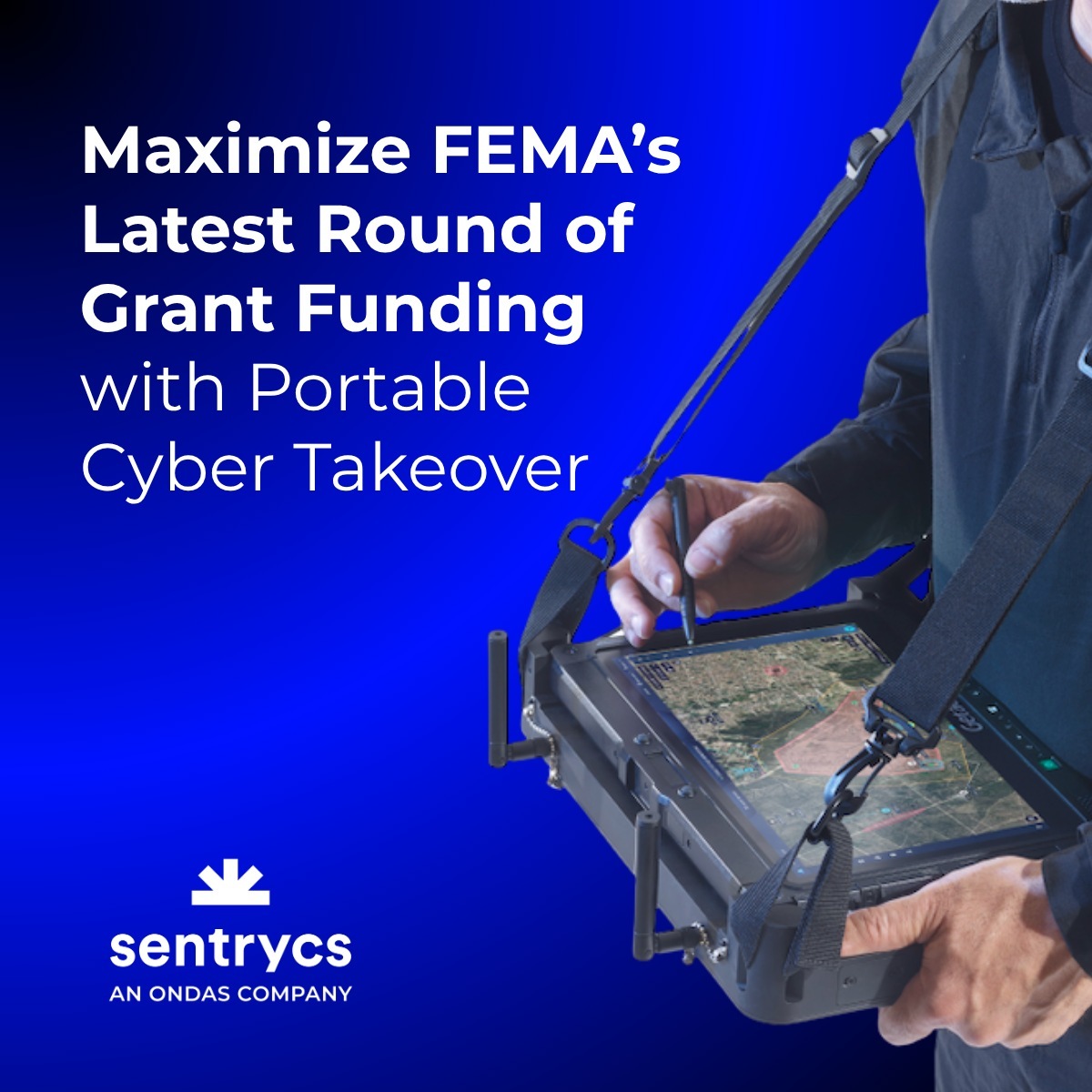
A portable counter-drone product can make coverage easier to move between teams and locations. Its price becomes useful for planning only when the buyer can identify exactly which functions, support and permissions the package includes. Detection, tracking, identification and mitigation are distinct parts of a counter-drone arrangement. A short commercial description should not leave a customer assuming that every advertised capability is included and authorized in the same way.
Sentrycs announced a $99,000 firm-fixed-price Ranger offering on October 29, including three years of maintenance. The company positions it for state and local agencies and describes passive radio-frequency sensing. Its release initially calls the offering a detection, tracking and identification configuration, then elsewhere describes a complete package including mitigation. That inconsistency is material. The public account does not provide a sufficiently clear basis to resolve the exact purchased configuration on the buyer’s behalf. Read the primary source account.
A function list should survive the quotation
A procurement discussion needs to retain the difference between what the product family can support and what a particular offer supplies. If a capability depends on another configuration, service or authorization, it should remain visible in the written scope. The announcement establishes the commercial offer and maintenance period. It does not independently establish that every prospective customer receives the same operational permissions or a complete protection outcome.
That is especially relevant when an agency is comparing sensing-only and broader systems. A device can provide useful awareness without undertaking an intervention. Conversely, the availability of a technical intervention does not determine who may use it in a particular setting. This article reports the supplier’s announcement; it does not establish legal authority for any individual operator or endorse a particular mitigation use.
Portability changes deployment work, not the need for acceptance
A handheld format can allow a team to reposition equipment, while the usefulness of observations still depends on the selected environment and supported signals. The release does not publish an independent detection or false-alarm evaluation covering every location. A representative trial would connect the observations to the receiving team’s actual task, including occasions when the system cannot produce a confident identification.
An RF-based description also should not be generalized into a claim about every kind of drone. Different aircraft and operating arrangements can present different sensing opportunities. The public announcement should retain its stated mechanism without adding an unsupported universal coverage promise. For a buyer, the useful question is which cases were evaluated with the offered configuration and what limitations the acceptance record preserves.
Maintenance is a defined commercial element
Three years of maintenance makes one part of the support horizon explicit. It does not, without further terms, establish every response time, training provision or equipment-replacement arrangement. Those details can affect how long the device is useful to an operating team. A fixed purchase price is therefore a starting point for lifecycle planning rather than a complete measure of the cost of a dependable service.
The company links the offering to FEMA counter-drone funding and directs agencies to their State Administrative Agency about eligibility and procurement requirements. The funding reference does not make a particular purchase automatically eligible. Separating the product offer from the funding decision preserves the roles of the supplier and the relevant public authority, instead of turning a marketing association into an award or approval claim.
The distinction between identification and intent is equally relevant at the operator’s desk. Knowing which system may be associated with a signal does not, on its own, explain whether the observed activity is permitted or threatening. A useful acceptance exercise would retain the local context supplied to the reviewer and the action selected after review. That makes it possible to evaluate whether the device supports a correct decision, rather than only whether it produces a label. The announcement supplies no independent service-wide result on that complete sequence, so the product’s intended role should remain attached to the evidence it actually reports.
The immediate development is a specified entry price and maintenance period for a portable product, with an unresolved configuration ambiguity in the source. The longer-term value depends on whether agencies can translate that offer into well-defined, supported operations and understandable observations. The next useful evidence is a clear written configuration and representative acceptance results. Until then, the commercial terms can inform a comparison, while claims about included mitigation, authorization and complete effectiveness need their own verification.
Source organizations: Sentrycs.
References
Questions, news tips or corrections? Contact [email protected].