Robotic inspection can change maintenance planning when it provides usable evidence early enough for people to act. The robot’s movement and sensor output are only part of the process. An asset owner needs to know which findings are reliable, which areas remain uncertain and how the information changes a repair decision. Contract expansion can support more of that work without proving the outcome of every future task.
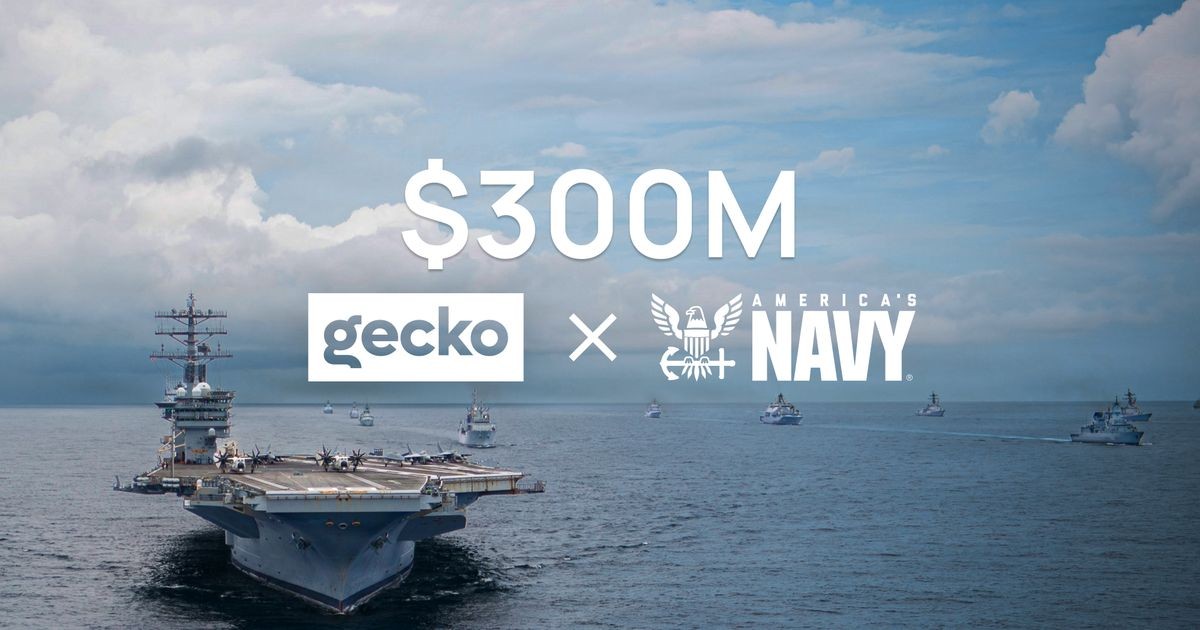
Gecko Robotics’ October 20 announcement says the ceiling on its Navy-related IDIQ contract increased from $71 million to $300 million. The company describes Komodo scanning through non-skid deck coatings and producing corrosion and material-thickness information for repair planning. It also claims savings and faster inspection. These are supplier statements. The ceiling is a maximum purchasing framework, not evidence that $300 million has already been obligated, delivered, recognized as revenue or saved through completed maintenance. Read the primary source account.
Earlier information needs an acceptance path
The stated benefit of scanning through a coating is the possibility of obtaining condition information before stripping or otherwise disrupting the asset. That can change when a repair team learns about a problem. The useful evidence is whether the observations meet the requirements of the actual maintenance decision. A colored map can help locate findings while still requiring validation, interpretation and an account of areas that could not be assessed.
Consider an illustrative maintenance plan revised after an inspection identifies a region needing closer examination. The relevant result includes the original observation, the confirmation process and the work decision that followed. This is a proposed evaluation scenario, not a disclosed Navy case from the release. It shows why a faster scan is different from a faster completed repair and why the full workflow matters when assessing the claimed readiness benefit.
The source’s up-to savings and speed comparisons need their original scope retained. An upper-end benefit is not a fleet-wide average, and an inspection-time comparison does not establish the same reduction in total maintenance duration. The public release does not provide the complete independent dataset and baseline needed to calculate a universal effect. The article therefore does not multiply a selected per-ship claim by the contract ceiling or infer a total saving.
A larger ceiling creates room for work, not a completed result
An indefinite-delivery, indefinite-quantity framework can allow later tasking within its terms. The ceiling identifies purchasing capacity rather than a single completed delivery. A useful subsequent account would identify actual task orders, their scope and accepted results. This distinction is necessary to understand the announcement without turning a contracting mechanism into an unsupported operational or financial total. The release does not disclose every task order that may follow the expansion.
Inspection data also needs to survive beyond the initial survey. A repair team may compare observations over time or use them to plan access, materials and scheduling. The record should preserve location, measurement conditions and the configuration that produced the finding. These are analytical requirements for reusable condition evidence, not a claim that the public source supplies a complete data specification or an independent audit of Gecko’s platform.
The application is relevant to critical-infrastructure security because dependable operation relies on recognizing physical degradation before it becomes a service interruption. That does not mean every inspection automatically prevents a failure. A useful operating record would connect findings to verified maintenance decisions and later outcomes while retaining unresolved areas. The supplier’s announcement establishes an expansion and describes the technology; the longer causal claim requires evidence from completed work.
A customer evaluation should include incorrect or unconfirmed findings and the effort needed to act on correct ones. Additional data can improve planning while also creating review work. The useful comparison is the complete maintenance process under a stated set of conditions, including interventions and follow-up checks. These are proposed assessment measures, not published failure rates or staffing results for the Navy contract. No undisclosed performance figure is invented to complete the analysis.
The next evidence is accepted task-level work that shows how robotic observations change a supported maintenance decision. The October ceiling increase is a concrete expansion of the purchasing framework and a meaningful commercial development. Its wider readiness significance will depend on delivered inspections and verified outcomes, with contractual capacity, sensor performance and completed maintenance kept as related but distinct stages.
References
Questions, news tips or corrections? Contact [email protected].