An inspection image and an engineering measurement can come from the same flight while serving different purposes. A team may need to identify a visible condition, compare geometry over time or create a deliverable for another discipline. The acceptance standard should follow that use rather than the appearance of a detailed point cloud.
Flyability’s public description of its October 5 webinar presents High-Accuracy Mapping in Inspector Online, using FARO Insight’s SLAM processing for Elios 3 survey data. It describes a capture-to-processing-to-export workflow. The recording is form-gated; this analysis uses the public description and does not claim to have reviewed an inaccessible demonstration or unseen numerical results. Read the primary source.
Workflow integration is not a universal accuracy number
Putting processing in one environment can reduce manual handoffs. It does not establish a universal geometric accuracy. A receiving survey still needs a reference, a defined error measure and an understanding of which surfaces or conditions were included in the comparison.
A point cloud’s visual detail can make uncertainty hard to notice. Dense output is not the same as an accurate position for every point. A useful evaluation should report how the result was checked and where the collection or processing could not support the intended measurement, instead of treating completeness as a purely visual judgment.
Preserve the reference and processing history
The processing history also matters when an inspection is repeated. Software versions, alignment choices and reference information can affect the comparison. An apparent change between surveys needs to be distinguishable from a change in how the data were processed or positioned.
For the receiving team, the immediate question is whether the exported result can be used in its existing workflow with the necessary provenance intact. A successful file export is an integration event. Acceptance of the resulting measurement for a particular decision is a separate event owned by the appropriate practitioner.
Watch an accepted deliverable
The distinction between an attractive model and a usable measurement begins with the intended decision. A team viewing an industrial space for orientation may need a different level of assurance from one comparing a physical dimension across repeat surveys. A single label such as high accuracy does not define both uses. The receiving practitioner needs to specify the required deliverable and the evidence supporting its interpretation. This analysis does not provide a numerical accuracy claim because the accessible webinar description does not establish the reference conditions needed to support one.
A processing comparison should also keep the input collection fixed where possible. If both the flight data and the processing method change, a different output cannot be attributed to the software step alone. An informative evaluation would preserve the source dataset, identify the processing configuration and retain the reference used to assess the result. That design could show a useful workflow improvement without requiring an unsupported claim of universal accuracy. It would also make a later repeat comparison more defensible by exposing the choices that produced the first accepted deliverable.
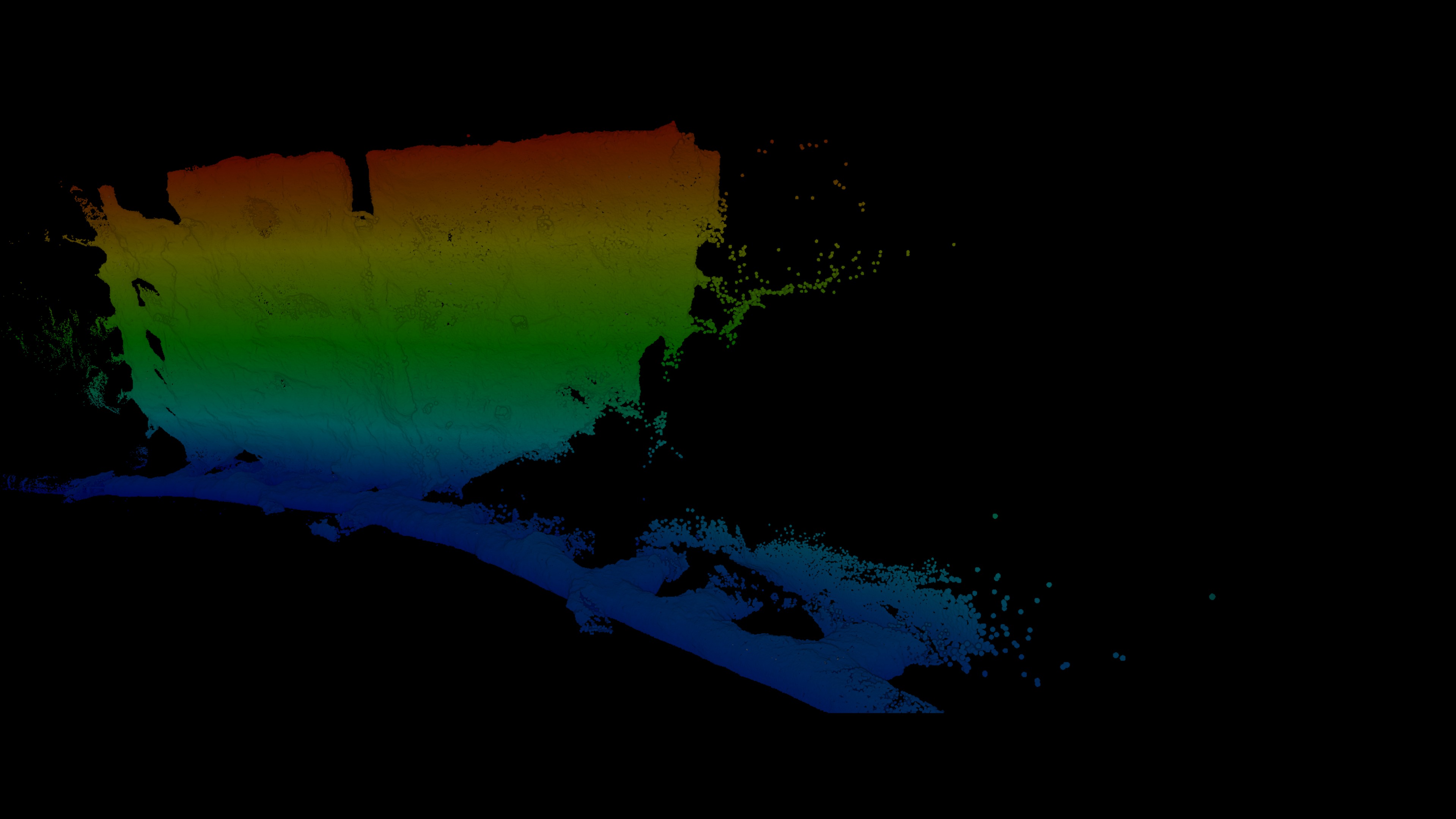
Handover is another place where apparently successful processing can lose practical value. The receiving team may need coordinate information, file conventions and a clear account of incomplete coverage in addition to the point cloud itself. If those details are separated from the exported file, a later user may mistake an unobserved area for an unchanged one. A well-documented deliverable should make such limits accessible. The source illustration is useful for explaining the type of output, but its visual completeness cannot establish whether those handover requirements were satisfied in a particular survey.
The broader benefit could be a more consistent inspection history when collection and processing records remain connected. That possibility depends on repeatable practice and an appropriate acceptance standard, not merely on moving tools into a common interface. The public webinar description offers a workflow proposition worth examining; it does not replace a reviewed recording or a customer-supported measurement study. Keeping that boundary explicit allows the article to discuss the integration opportunity while leaving unobserved demonstrations, undisclosed error distributions and unsupported deployment outcomes outside the evidence claimed here.
The near-term opportunity is less fragmented handling of indoor drone survey data. The wider possibility is more repeatable inspection records across difficult industrial spaces. That benefit depends on transparent accuracy checks and durable processing context, rather than the product name alone.
The next evidence is a documented deliverable with its reference, errors and operating conditions stated. That would connect the accessible workflow description to a result a receiving organization can assess, while keeping unreviewed webinar content outside the claims made here.
References
Questions, news tips or corrections? Contact [email protected].