A drone service can be technically repeatable while still requiring a clear route through permissions and oversight. Moving between locations or jurisdictions makes that institutional work more visible. Operators need to know which requirements apply to the actual service, rather than infer permission from a general policy ambition.
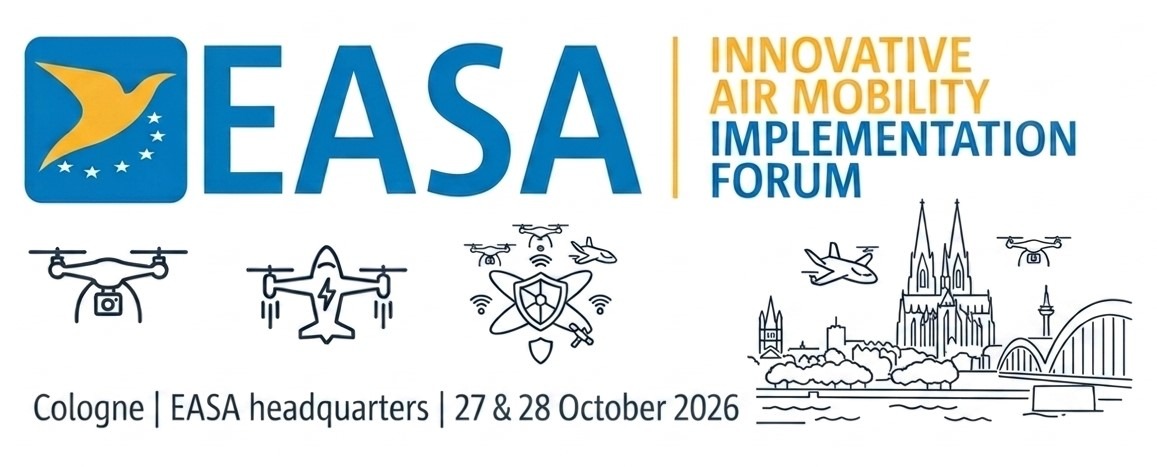
EASA’s Innovative Air Mobility Implementation Forum takes place October 27–28 in Cologne and online. Its agenda, updated October 22, includes U-space, cross-border UAS operations and automation. The agency frames it as a discussion of implementation experience. The event notice does not announce a new blanket permission for beyond-visual-line-of-sight operations. Read the primary source.
An event is not a rule change
That distinction matters for security programs seeking to scale. A panel topic can identify a real obstacle without resolving it. A receiving organization needs an authoritative document or decision before changing an operating assumption; attendance at a forum or a supplier’s account of a discussion is not a substitute.
Implementation evidence can nevertheless be valuable. A documented account of where an existing process is difficult may help authorities clarify guidance or identify a need for adaptation. The useful record distinguishes the problem reported, the proposed response and any decision actually adopted.
Translate discussion into a traceable requirement
Cross-border operations make scope especially important. A system’s technical capability and a permission issued for one setting do not establish the terms of operation elsewhere. A publication should preserve the identity of the deciding authority and the boundaries of a cited authorization instead of translating a policy discussion into universal legal advice.
For a program team, the immediate action is to follow the official event outputs and compare any resulting documents with its current operating case. Changes should be tied to a dated source and reviewed by the people responsible for compliance. An announcement about future work should remain future work in that record.
Watch the authoritative output
An event agenda is best understood as a map of current implementation questions. It can identify which institutions are participating and which subjects are receiving attention, while leaving the outcome open. A publication can use that record to direct readers toward subsequent official material without predicting that a panel will produce a particular permission. This matters when a supplier’s product roadmap depends on a regulatory assumption: a scheduled discussion may justify monitoring an issue, but it does not establish that the assumption has become valid for an intended operation.
A useful follow-up record would distinguish several different document types. A presentation describing experience, a proposed change, explanatory guidance and a formal decision can each contribute information while carrying different authority. Treating them as equivalent can turn a helpful implementation account into misleading advice. Readers assessing a specific program need to identify the author, date, scope and status of the relevant document. That is a source-assessment principle rather than a substitute for professional review of a particular operating case or a claim about the legal effect of an unpublished forum outcome.
For organizations integrating services across jurisdictions, a clear history of assumptions can reduce confusion when an official position changes. The record should explain which decision or guidance a plan relied on and which later source prompted review. Such documentation does not itself confer authority to operate. Its value is to make the relationship between a technical plan and its cited permission inspectable by the responsible people. The forum’s implementation focus makes those questions relevant, while the agenda alone leaves the actual decisions and any resulting operational changes to later evidence.
The broader field would benefit from examples that explain how an existing framework worked in a bounded setting, including constraints that remained unresolved. Those accounts could make planning more informed without implying that one successful case transfers automatically to every aircraft, service or location. The article therefore treats the October event as an opportunity to seek better implementation evidence. It will take identifiable official outputs to determine whether the discussion changes guidance, clarifies an existing process or simply records continuing work. None of those outcomes should be assumed before the supporting source is available.
The wider opportunity is a more legible path from regulatory frameworks to repeatable services. That depends on documented implementation changes that receiving organizations can actually apply, while preserving the safety and accountability requirements attached to them.
The next evidence to watch is a published guidance update, decision or concrete implementation record following the forum. Until then, the agenda establishes what is being discussed and by whom, without changing what a drone operator is authorized to do.
Questions, news tips or corrections? Contact [email protected].