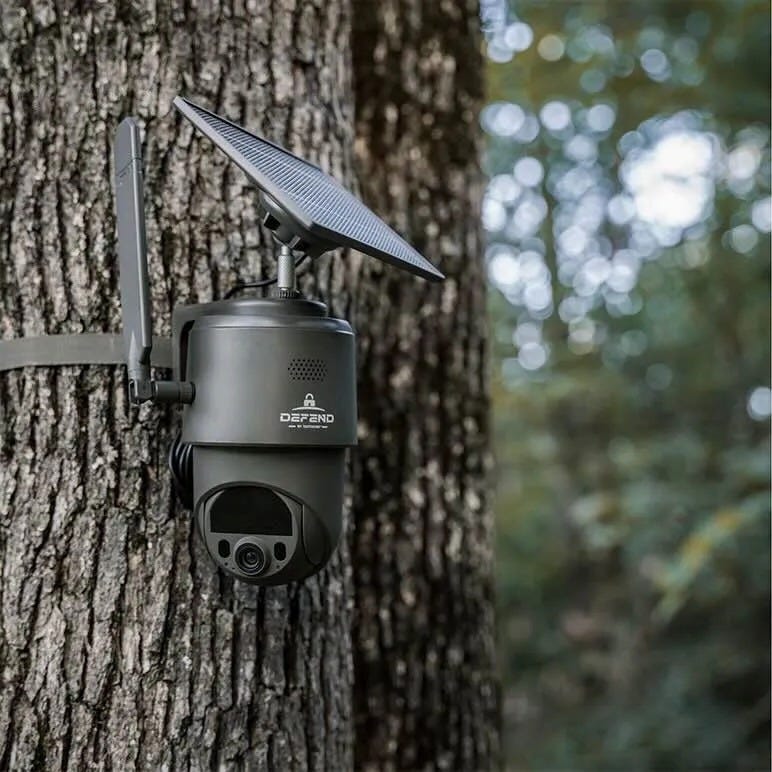
Securitas reported 5 percent real growth in technology and solutions in the second quarter of 2026. Its group operating margin reached 7.5 percent, compared with 7.3 percent a year earlier. These are meaningful operating figures. They are not a disclosed measure of revenue or profit generated by autonomous systems. Securitas' second-quarter 2026 report
That gap is the point of the story. As a large security provider shifts toward intelligence-led services, the commercial test is not whether it can attach AI to an offering. It is whether customers will buy a better combination of people, technology and information at economics that reward the provider for delivering it.
The transition is broader than a technology sale
Securitas' June 2030 strategy describes combining its operational presence with data, analytics and a more consultative customer relationship. The strategic ambition is to move toward a more valuable role in the customer's security decisions. It is a company plan, not an accomplished transformation. Securitas' June 2030 strategy announcement
A conventional service can be priced around time and staffing. An intelligence-led service asks a different commercial question: what combination of monitoring, equipment, analysis and local response addresses the customer's risk? Autonomy can help change that mix, but the provider still needs to implement it and demonstrate that the result is useful.
This is difficult because the costs and benefits do not necessarily appear in the same budget. Installing technology may require spending now to reduce routine work later. The customer may retain some personnel for tasks the technology cannot perform. A transition can improve the service without producing an immediate, simple headcount reduction.
Read the reported and adjusted numbers together
The second-quarter report also provides an adjusted operating margin of 7.6 percent and adjusted organic growth of 3 percent. The company explains that these measures exclude the government business within SCIS being closed down. The unadjusted organic-growth figure was zero. Treating the adjusted figure as ordinary group growth would conceal the effect of that adjustment. Securitas' second-quarter 2026 report
The lesson is not that one measure is false. It is that each answers a different question. A reader evaluating the current group needs the reported result. A reader evaluating continuing activities may find the adjusted measure useful. Neither permits a clean attribution to AI without additional disclosure.
Securitas' first-quarter report and its annual reporting provide the surrounding trajectory. They also show why a single quarter should not be read as a technology experiment: portfolio actions, service pricing, business mix and execution all affect profitability. Securitas' first-quarter 2026 reportSecuritas' financial reports and presentations
The hidden contest is over the commercial model
Suppose, as an illustration, remote monitoring reduces the need for a routine on-site task. If the contract simply bills fewer hours, the customer receives the saving while the provider may lose revenue. If the provider instead sells a defined service outcome, it may retain part of the value from a more effective operating design. The actual result depends on contract terms and competition, not merely on technical capability.
That is why a large incumbent's customer relationships matter. It can potentially redesign a whole service, including the work that remains physical and local. A specialist startup may offer superior analytics but still need a partner to implement response and carry the service commitment.
There is no guarantee that incumbency wins. Existing contracts, sales incentives and organizational habits can slow a transition. A company accustomed to selling one model of service must make the economics of the new model legible to both its customers and its own teams. Technology alone cannot resolve that conflict.
The counterargument is ordinary operational improvement
The observed margin improvement could reflect conventional management rather than autonomy: better contract selection, more disciplined pricing or changes in the mix of business. The second-quarter commentary explicitly discusses portfolio management and performance in both technology and security services. It would be misleading to label all improvement an AI dividend. Securitas' second-quarter 2026 report
This is a useful constraint on the industry's narrative. An autonomy strategy should eventually connect to measurable service economics, but consolidated financial results cannot always establish the causal chain. The evidence needed is more granular than a broad growth category that includes many kinds of technology.
For customers, the distinction also changes what they should ask to see after implementation. A reduction in billed hours is visible immediately; improved coverage or more consistent response may require a longer observation period. A balanced comparison should record both. Otherwise, a service redesign that merely removes effort can look identical on a short financial summary to one that removes unnecessary effort while preserving the outcome.
What would make the autonomy claim measurable?
A stronger account would describe comparable customer deployments before and after a service redesign, including implementation costs, retained labor, incident handling and renewal behavior. It would distinguish new equipment sales from recurring services and identify how much of any improvement survives beyond the initial installation.
If that evidence emerges, Securitas could demonstrate how autonomy becomes a commercial operating model at scale. Until then, its numbers support a technology-led transition while leaving the specific contribution of AI unresolved. The important question for the sector is who can turn a smarter service into a contract that rewards the work required to deliver it.
References
Questions, news tips or corrections? Contact [email protected].